

Working Principle and Features of Air-Driven Mineral Sand Material Handling Equipment
HeadPowder, a leading engineering company based in Shandong, China, specializes in the design and production of advanced air-driven mineral sand material handling equipment. The working principle of this equipment is centered around the use of compressed air to transport mineral sand materials through a pipeline system. The process begins with the material being fed into a hopper or feeder, where it is then drawn into the pipeline by the air flow generated by a high-pressure blower. The compressed air creates a low-pressure zone in the pipeline, which pulls the mineral sand particles along with the air stream, enabling efficient transportation over long distances without the need for mechanical components like belts or chains.
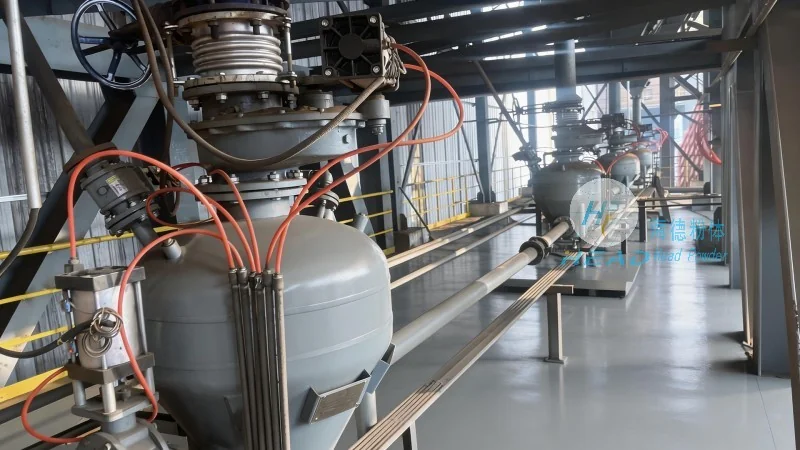
The air-driven system operates by maintaining a consistent air flow rate and pressure, which is crucial for controlling the speed and volume of material transport. The blower unit, typically equipped with variable speed drives, allows for precise adjustment of air pressure to accommodate different material characteristics, including particle size, density, and moisture content. This adaptability ensures that the equipment can handle a wide range of mineral sand types, from fine powders to coarse aggregates, without compromising performance. The pipeline network is designed with appropriate diameters and bends to minimize pressure drop and ensure smooth material flow, while also incorporating check valves and filters to prevent material buildup and maintain system efficiency.
Key Features of Air-Driven Mineral Sand Material Handling Equipment
One of the primary advantages of air-driven mineral sand material handling equipment is its high efficiency in material transport. The system can achieve significant material throughput rates, often exceeding traditional mechanical conveyor systems, especially for fine or dusty materials. This efficiency is further enhanced by the ability to transport materials over long distances with minimal energy consumption, as the compressed air system can be optimized for energy recovery and reduced waste. The enclosed pipeline design also provides excellent dust control, preventing airborne particles from contaminating the environment and improving workplace safety. This is particularly important in industries dealing with mineral sands, where dust can pose health risks and regulatory compliance issues.
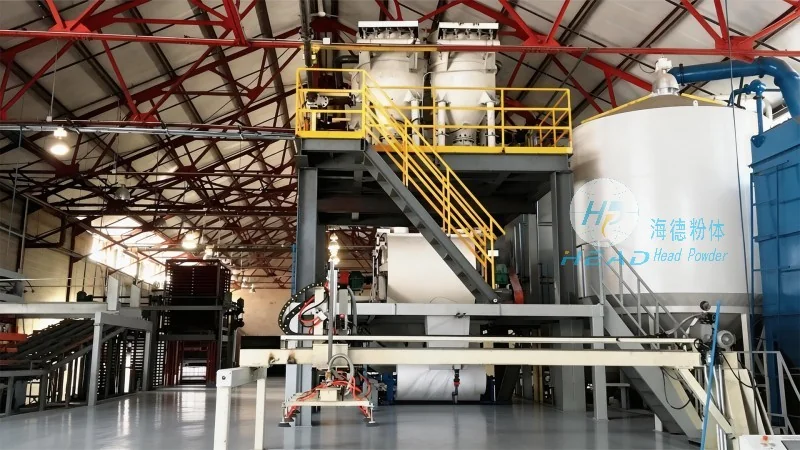
Another notable feature is the equipment's versatility and adaptability. The air-driven system can be easily integrated into existing production lines, allowing for seamless upgrades or modifications without major structural changes. The modular design of the components, such as the blower, hopper, and pipeline sections, enables quick assembly and disassembly, facilitating maintenance and repairs. Additionally, the system is capable of operating in airtight or controlled environments, such as dust-free rooms or enclosed processing facilities, ensuring that the material remains contained and the working area remains clean. This feature is critical for industries where product purity and environmental standards are paramount.
Applications and Benefits in Mineral Sand Processing
Air-driven mineral sand material handling equipment is widely used in various stages of mineral sand processing, including mining, crushing, screening, and storage. In mining operations, the equipment efficiently transports raw mineral sand from the extraction site to processing plants, reducing the need for heavy machinery and manual labor. During the crushing and screening processes, the system can move crushed sand particles between different processing units, ensuring a smooth flow of material and improving overall production throughput. In storage facilities, the equipment facilitates the transfer of mineral sand from storage silos to loading areas, minimizing spillage and enhancing operational safety.
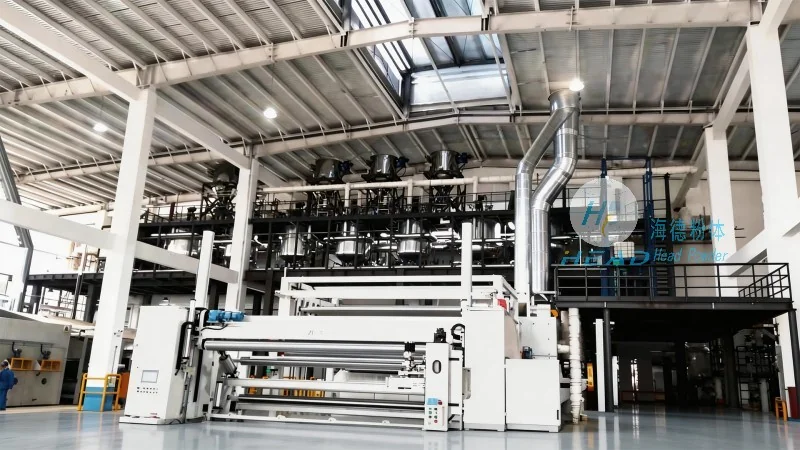
The benefits of using air-driven systems extend beyond efficiency and safety. The reduced need for mechanical components results in lower maintenance costs and longer equipment lifespan. The enclosed design also minimizes material loss and contamination, which is essential for maintaining product quality and meeting industry standards. Furthermore, the system's ability to handle a wide range of material characteristics makes it a reliable solution for diverse mineral sand applications, from industrial sand production to construction aggregate supply.
Conclusion
HeadPowder's air-driven mineral sand material handling equipment exemplifies advanced engineering solutions for efficient and safe material transport. By leveraging the principles of compressed air, the system offers high performance, versatility, and environmental benefits, making it an ideal choice for industries dealing with mineral sands. With its roots in Shandong, China, HeadPowder continues to innovate and provide tailored solutions that meet the evolving needs of the mineral processing sector, ensuring sustainable and efficient operations for its clients.