

Working Principle and Features of Activated Carbon Granular Material Pneumatic Conveying Equipment
Activated carbon granular material pneumatic conveying equipment is a specialized system designed to transport activated carbon particles efficiently and safely. This equipment is widely used in various industrial applications, including water treatment, air purification, and chemical processing, where the reliable and clean transfer of activated carbon is critical. The following sections will delve into the working principle and key features of such equipment, providing a comprehensive understanding of its functionality and benefits.
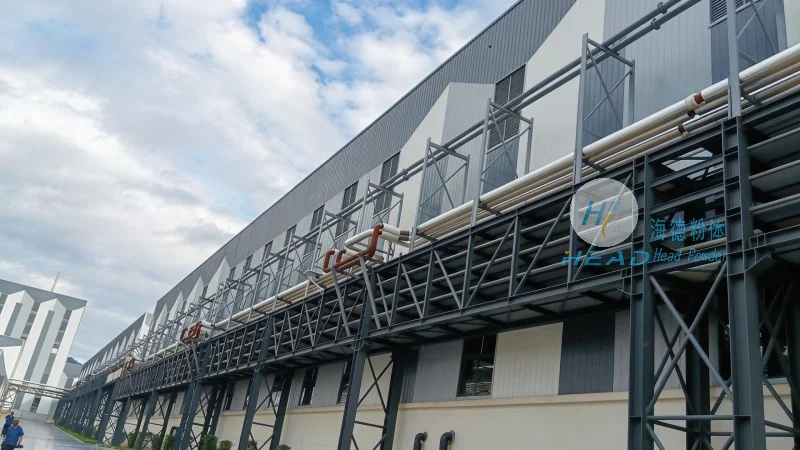
Working Principle of Pneumatic Conveying Systems for Activated Carbon
Pneumatic conveying systems operate by using air or gas as the conveying medium to transport solid particles through a pipeline. For activated carbon granular material, the equipment typically employs either positive pressure or negative pressure (or a combination of both) to move the material from the source to the destination. The working principle involves several key steps:
First, the activated carbon granules are fed into the conveying line, often through a hopper or feeder that ensures a consistent flow. Then, a fan or blower generates the necessary airflow, which is directed through the pipeline. The air velocity is controlled to create a sufficient pressure differential to lift and transport the particles. As the air flows through the pipeline, it carries the activated carbon particles, maintaining them in suspension. The system may include components like cyclones or filters to separate the particles from the air at the receiving end, ensuring that the material is deposited accurately and the air is cleaned before release.
Key Features and Advantages of the Equipment
The pneumatic conveying equipment for activated carbon granular material offers several distinct advantages that make it a preferred choice in industrial settings. One of the primary features is its ability to handle fine or irregularly shaped particles without causing excessive wear or blockages, which is crucial for activated carbon with its porous structure. The system is also designed to minimize material loss and contamination, as the enclosed pipeline prevents exposure to external elements and reduces the risk of dust or particle dispersion.
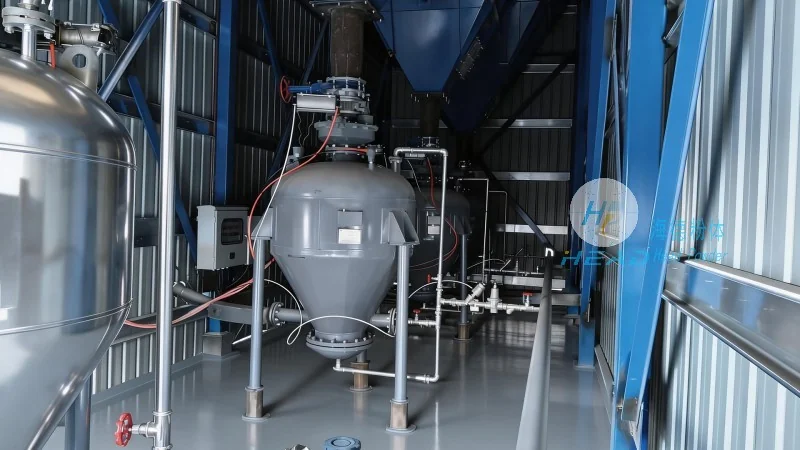
Another significant feature is the high efficiency in terms of energy consumption and operational speed. By using air as the conveying medium, the system can achieve rapid and continuous transport of large volumes of activated carbon, reducing downtime and labor costs. The equipment is also equipped with advanced control systems that allow for precise regulation of airflow and pressure, ensuring optimal performance and preventing damage to the material or the system components.
Furthermore, the pneumatic conveying system is highly adaptable to different operational conditions. It can be configured for both short and long-distance transport, and the design can be customized to accommodate varying particle sizes and flow rates. The system's compact and modular design makes it suitable for installation in confined spaces or as part of larger processing plants, providing flexibility in industrial layouts.
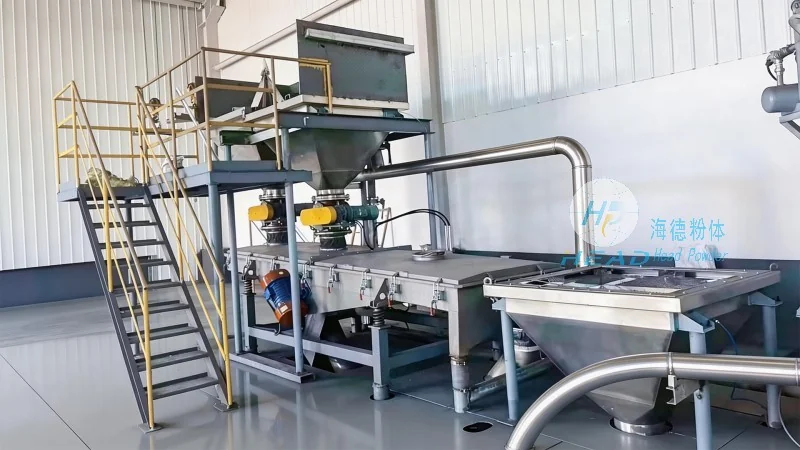
Technical Specifications and Application Considerations
When selecting or operating activated carbon granular material pneumatic conveying equipment, several technical specifications and application considerations are important. The system's capacity, typically measured in tons per hour or cubic meters per hour, must match the production requirements of the facility. The pressure range, which can vary from low to high pressure systems, influences the distance and height the material can be transported. For example, low-pressure systems are suitable for short distances and gentle slopes, while high-pressure systems are used for longer distances or when dealing with abrasive particles.
The choice of conveying line material is also critical, as activated carbon can be corrosive or abrasive. Common materials include stainless steel, plastic, or coated steel, selected based on the specific properties of the activated carbon and the operating environment. The system may include additional components such as silencers to reduce noise, or dust collectors to ensure compliance with environmental regulations. Proper maintenance, including regular cleaning of the pipeline and replacement of worn parts, is essential to maintain the system's efficiency and longevity.
Company Information and Contact Details
Shandong HeadPowder Engineering Co., Ltd., a leading manufacturer in the field, specializes in the design, manufacturing, and supply of advanced pneumatic conveying equipment for various industrial applications. With a focus on quality and innovation, the company provides customized solutions tailored to the specific needs of clients. HeadPowder's equipment is known for its reliability, efficiency, and durability, ensuring long-term performance in demanding industrial environments. The company is located in Shandong, China, and serves clients globally with a commitment to excellence and customer satisfaction.