

Working Principle and Features of Pneumatic Conveying Equipment for Methylcellulose Materials
For industries dealing with methylcellulose materials, efficient and reliable material handling is crucial. Pneumatic conveying equipment offers a solution that not only enhances operational efficiency but also ensures the integrity of the material during transport. This article explores the working principle and key features of such equipment, highlighting how it meets the specific demands of handling methylcellulose.
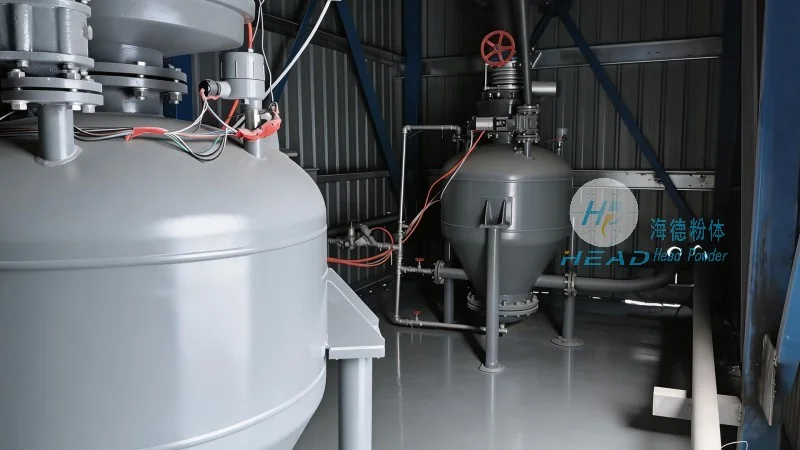
Understanding the Working Principle of Methylcellulose Pneumatic Conveying Systems
Pneumatic conveying systems operate on the principle of using air or gas to transport bulk materials through a pipeline. In the case of methylcellulose, which is often a fine powder or granular substance, the system typically employs a positive pressure or negative pressure method. The positive pressure system forces air through the material, creating a flow that carries the particles along the pipeline. Conversely, the negative pressure system draws the material into the system using suction. Both methods are designed to maintain the material's quality and prevent degradation during transport.
The core components of a pneumatic conveying system for methylcellulose include a feeder, a conveyor line, a separator, and a receiver. The feeder ensures a consistent flow of material into the system, while the conveyor line transports it to the desired location. The separator, often a cyclone or bag filter, separates the material from the air stream, ensuring that the material is collected efficiently and the air is cleaned. The receiver stores the conveyed material until it is ready for use. Each component plays a critical role in maintaining the system's performance and the material's integrity.
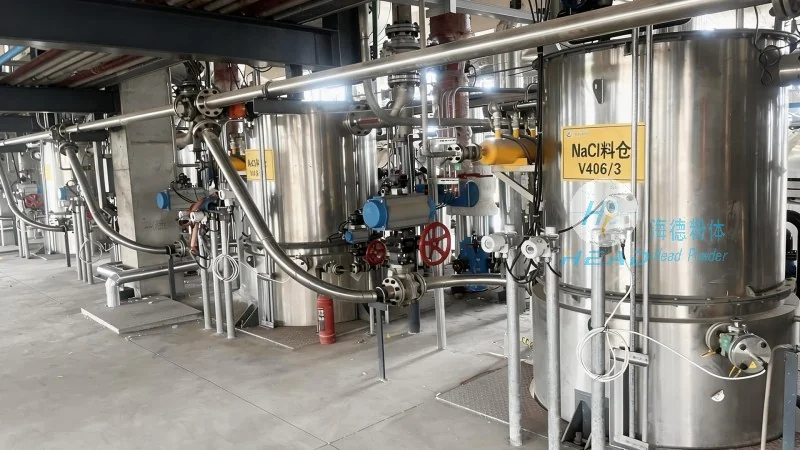
Key Features of Methylcellulose Pneumatic Conveying Equipment
When selecting pneumatic conveying equipment for methylcellulose, several key features should be considered to ensure optimal performance and reliability. One of the most important features is the system's ability to handle fine powders without clogging or degradation. Methylcellulose is a sensitive material, and the equipment must be designed to prevent agglomeration or loss of quality. Advanced systems often incorporate features such as air filtration and moisture control to maintain the material's properties.
Another critical feature is the system's flexibility and adaptability. Industries may need to transport methylcellulose to different locations or in varying quantities, and the equipment should be able to adjust to these changes. This includes the ability to change conveyor line lengths, adjust air pressure, and integrate with other processing equipment. The equipment should also be easy to maintain and clean, as methylcellulose can be sticky and may require regular maintenance to prevent system blockages.
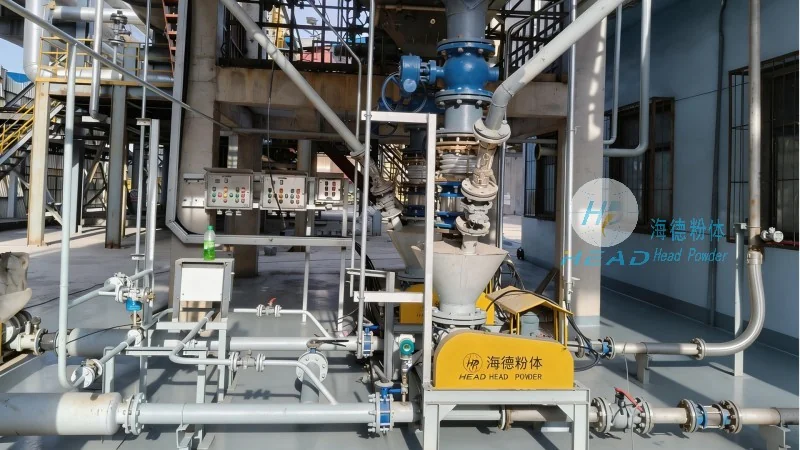
Energy efficiency is also a significant consideration for pneumatic conveying systems. Modern systems use advanced technology to minimize energy consumption while maintaining high conveying rates. This not only reduces operational costs but also aligns with sustainability goals. Additionally, the equipment should be designed with safety features to protect operators and prevent accidents, such as pressure relief valves and emergency shut-off mechanisms.
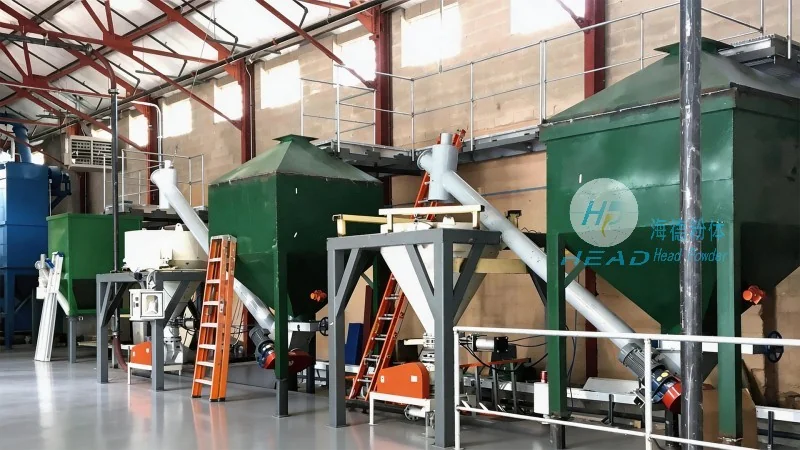
About Shandong HeadPowder Engineering Co., Ltd.
Shandong HeadPowder Engineering Co., Ltd., commonly known as HeadPowder, is a leading manufacturer of pneumatic conveying equipment and related solutions. With a focus on innovation and quality, the company has established itself as a trusted partner for industries handling various bulk materials, including methylcellulose. HeadPowder's products are designed to meet the specific needs of different applications, ensuring reliable and efficient material transport.
HeadPowder is committed to providing high-quality equipment that enhances operational efficiency and product quality. The company's team of experts works closely with clients to understand their unique requirements and develop customized solutions. With a strong emphasis on research and development, HeadPowder continuously improves its products to stay ahead of industry trends and meet evolving customer needs. The company's headquarters is located in Shandong, China, where it operates a state-of-the-art manufacturing facility and a dedicated research and development center.