

Principles and Working Scene Characteristics of Hay Pellet Pneumatic Conveying
Shandong HeadPowder Engineering Co., Ltd., based in Shandong, China, specializes in the design and implementation of advanced pneumatic conveying systems for agricultural bulk materials, including hay pellets. Pneumatic conveying is a critical technology in modern feed and agricultural processing, offering efficient and hygienic methods for transporting bulk materials. For hay pellets, which are widely used in animal feed production, the principles and working scene characteristics of pneumatic conveying systems are essential for optimizing material handling processes. This article explores the fundamental principles of hay pellet pneumatic conveying, along with the key working scene characteristics that define its application in various operational settings.
The Fundamental Principles of Hay Pellet Pneumatic Conveying
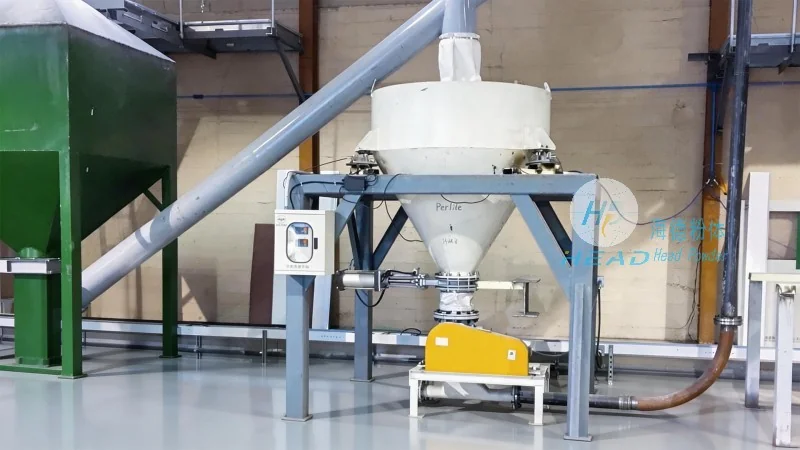
The core principle of pneumatic conveying for hay pellets is the use of air pressure to move material particles through a sealed pipeline. The system typically consists of a hopper, a blower or fan, a pipeline network, and a discharge point. As air is introduced into the system, it creates a flow that lifts and transports the hay pellets. There are two main types of pneumatic conveying systems: pressure and vacuum. Pressure systems use positive pressure to push material from the source to the destination, while vacuum systems use negative pressure to pull material. For hay pellets, pressure systems are often preferred due to their ability to handle higher material loads and longer distances. The blower or fan generates the necessary air pressure, and the pipeline design ensures efficient material transport with minimal loss or degradation. The hopper serves as the storage and feeding point, where hay pellets are introduced into the system. The discharge point, often a silo or processing unit, receives the transported material. The entire process relies on the interaction between air flow and material particles, ensuring consistent and controlled movement.
Key Working Scene Characteristics of Hay Pellet Pneumatic Conveying
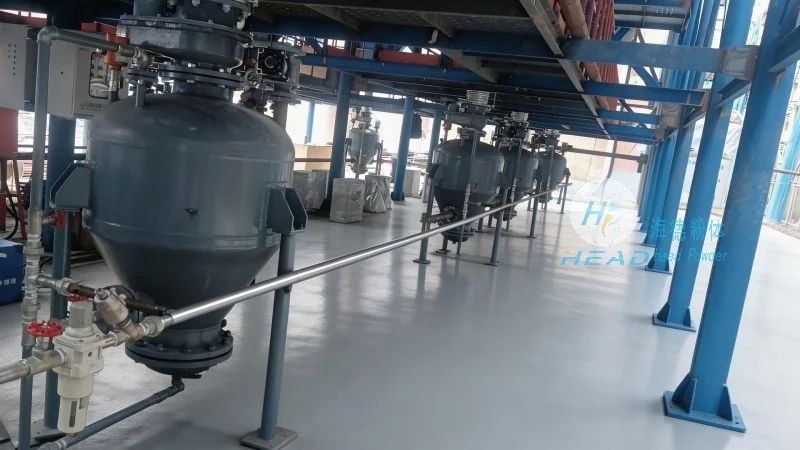
The working scene characteristics of hay pellet pneumatic conveying systems are tailored to meet the specific needs of agricultural and industrial applications. These characteristics include material handling capacity, system efficiency, and operational flexibility. In feed mills and animal feed production facilities, the system must handle large volumes of hay pellets, often with high throughput rates. The design of the pipeline and blower must be optimized to maintain consistent material flow and prevent blockages. For example, in a large-scale feed processing plant, the system may need to transport hundreds of tons of hay pellets per hour, requiring robust equipment and a well-designed layout. Another key characteristic is the ability to handle different particle sizes and moisture content. Hay pellets can vary in size and moisture levels, which affects their flow properties. The pneumatic conveying system must be adapted to accommodate these variations, ensuring smooth operation without clogging or degradation. Additionally, the system's environmental impact is a consideration in working scenarios. Pneumatic conveying is generally considered a clean method, as it reduces dust and contamination compared to other bulk material handling techniques. This is particularly important in food processing and animal feed applications, where hygiene is critical. The working scene also includes the integration of the system with other processing equipment, such as grinding or mixing units. The discharge point of the pneumatic conveying system may feed directly into these units, ensuring a seamless flow of material from transport to processing. The system's reliability and maintenance requirements are also important characteristics in working scenarios. Regular maintenance of the blower, pipeline, and hopper is necessary to ensure continuous operation and prevent downtime. The design of the system should also consider factors such as space constraints and energy efficiency, as these can impact the overall performance and cost-effectiveness in real-world applications.
Application Scenarios and Operational Benefits
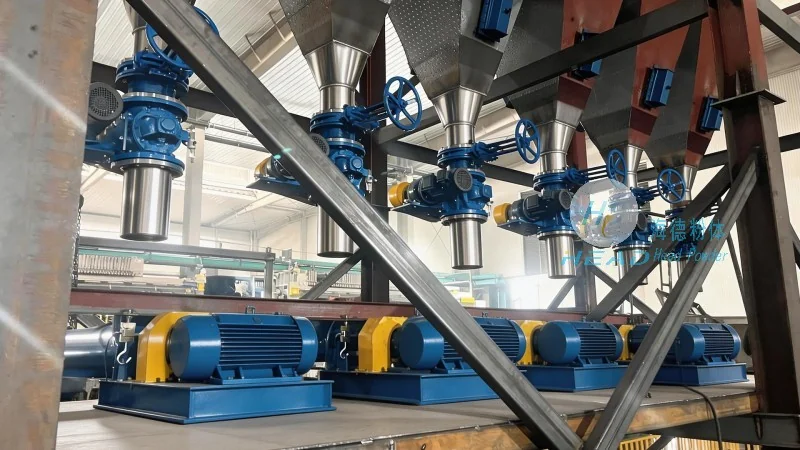
Hay pellet pneumatic conveying systems are widely used in various operational scenarios across the agricultural and food processing industries. In animal feed production, these systems are essential for transporting hay pellets from storage to processing units, such as grinding or mixing facilities. The ability to handle large volumes of material efficiently reduces labor costs and improves production throughput. For example, in a feed mill, the pneumatic conveying system can transport hay pellets from a silo to a mixer in a matter of minutes, compared to manual handling which would take hours. This efficiency is crucial for meeting production demands and maintaining a consistent feed supply for livestock. Another application scenario is in agricultural storage facilities, where hay pellets are stored in large silos and need to be transported to processing or distribution centers. The pneumatic conveying system allows for the safe and efficient movement of material over long distances, even in remote or difficult-to-access locations. The operational benefits of hay pellet pneumatic conveying systems extend beyond efficiency and include improved product quality and reduced waste. By minimizing material contact with the environment, the system reduces the risk of contamination and spoilage, ensuring that the hay pellets remain fresh and suitable for animal consumption. Additionally, the system's ability to handle different particle sizes and moisture levels helps maintain the quality of the feed, as inconsistent material properties can affect the nutritional value of the final product. The working scene characteristics, such as the system's capacity and flexibility, also contribute to operational benefits. The ability to adjust the system's settings to accommodate varying material loads or processing requirements allows for adaptability in different operational scenarios. This flexibility is particularly valuable in dynamic environments where production demands may change frequently. Overall, the application scenarios and operational benefits of hay pellet pneumatic conveying systems highlight their importance in modern agricultural and food processing operations.