

Principles and Working Scene Characteristics of Cotton Pneumatic Conveying
Cotton pneumatic conveying is a critical technology in the cotton processing industry, enabling efficient and safe material handling. This method utilizes air to transport cotton from one location to another, replacing traditional mechanical methods that often involve high labor costs and potential material damage. The technology has evolved significantly over the years, offering improved efficiency, reduced operational costs, and enhanced safety for workers. Understanding the underlying principles and the specific characteristics of its working scenes is essential for optimizing cotton processing operations.
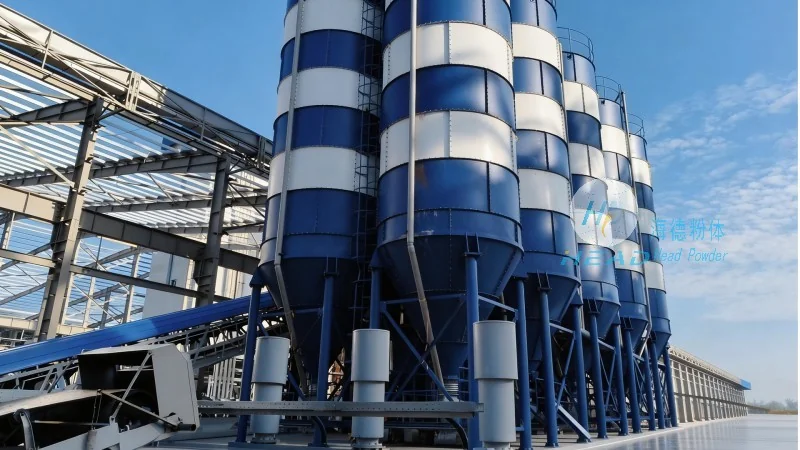
About HeadPowder: Your Trusted Partner in Cotton Handling Solutions
HeadPowder, or Shandong HeadPowder Engineering Co., Ltd., is a leading manufacturer specializing in cotton processing equipment. With a headquarters in Shandong, China, the company has built a strong reputation for delivering high-quality, reliable pneumatic conveying systems tailored to the unique needs of cotton mills and processing facilities. HeadPowder's commitment to innovation and customer satisfaction has positioned it as a key player in the global cotton handling industry, providing solutions that enhance productivity and operational efficiency.
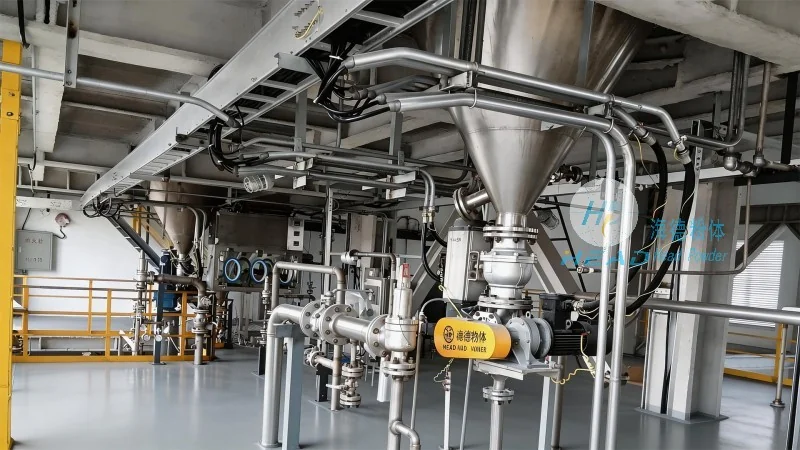
The Fundamental Principles of Cotton Pneumatic Conveying
Cotton pneumatic conveying operates on the principle of creating a pressure differential between the conveying line and the ambient air. This is typically achieved using a blower or fan that generates a high-velocity airflow, which draws the cotton particles into the pipeline. The system consists of several key components, including a hopper for material storage, a feeder to control the flow rate, a conveying line, and a receiver for the discharged material. The air velocity is carefully controlled to ensure that the cotton particles are suspended and transported without causing excessive wear on the equipment or damaging the material. The pressure differential can be either positive (pressure) or negative (vacuum), depending on the specific application and the distance the material needs to be conveyed.
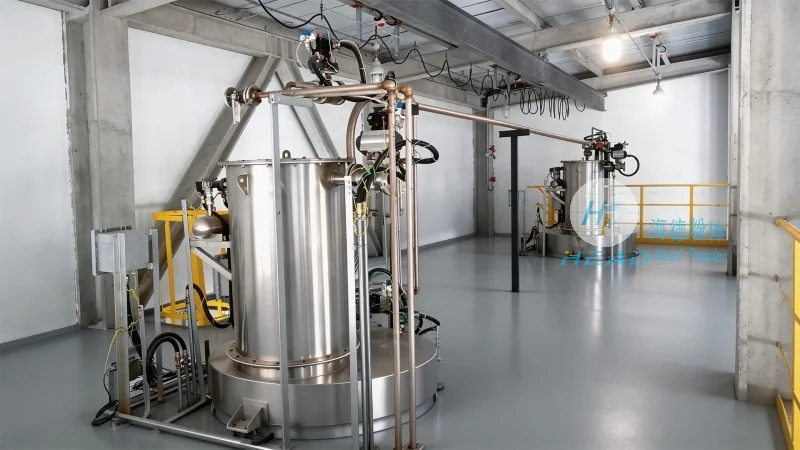
Key Working Scene Characteristics of Cotton Pneumatic Conveying Systems
The working scene characteristics of cotton pneumatic conveying systems vary based on the specific application and the scale of the operation. One of the primary characteristics is the ability to handle a wide range of cotton types, from raw cotton bolls to processed fibers. The system's flexibility allows it to be integrated into existing processing lines, reducing the need for major infrastructure changes. Another important characteristic is the system's ability to maintain a clean and dust-free environment, which is crucial for maintaining the quality of the cotton and ensuring worker safety. The conveying process is also relatively quiet compared to mechanical systems, contributing to a more pleasant working environment. Additionally, the system's compact design allows for efficient use of space in cotton mills, making it suitable for both large-scale and small-scale operations.
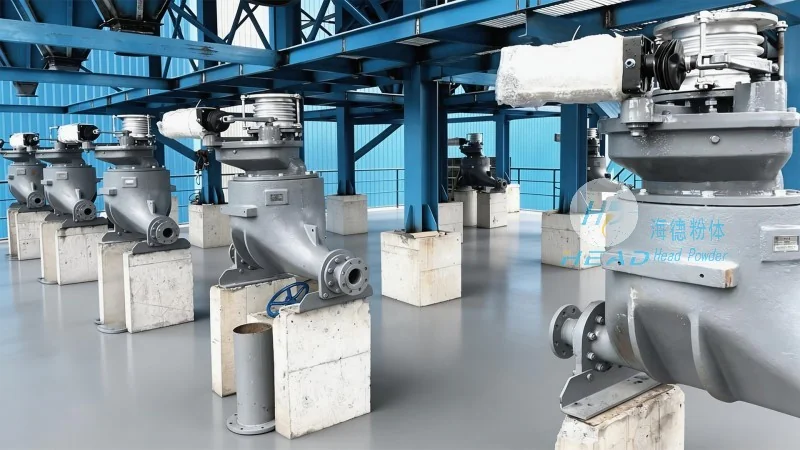
Optimizing Cotton Processing with Advanced Pneumatic Conveying Solutions
By understanding the principles and characteristics of cotton pneumatic conveying, cotton mills can optimize their processing operations. The technology offers several advantages, including reduced labor costs, increased throughput, and improved material quality. HeadPowder's expertise in designing and manufacturing custom pneumatic conveying systems ensures that each solution is tailored to the specific requirements of the client. The company's team of engineers works closely with clients to assess their operational needs, recommend the most suitable system configuration, and provide ongoing support to ensure optimal performance. Whether it's a new installation or an upgrade to an existing system, HeadPowder's solutions are designed to enhance productivity and reduce operational costs, helping cotton mills stay competitive in the global market.