

Principle and Working Scene Characteristics of Wood Ash Pneumatic Conveying Systems
Wood ash, a byproduct of biomass combustion, is widely utilized in industrial applications such as fertilizer production, construction material manufacturing, and environmental remediation. The efficient and reliable transport of wood ash from storage or processing areas to processing units is crucial for maintaining production efficiency and operational safety. Pneumatic conveying systems offer a solution by using air pressure to move bulk materials like wood ash through pipelines. This article explores the fundamental principles of wood ash pneumatic conveying systems and highlights the key working scene characteristics that make them suitable for different industrial environments.
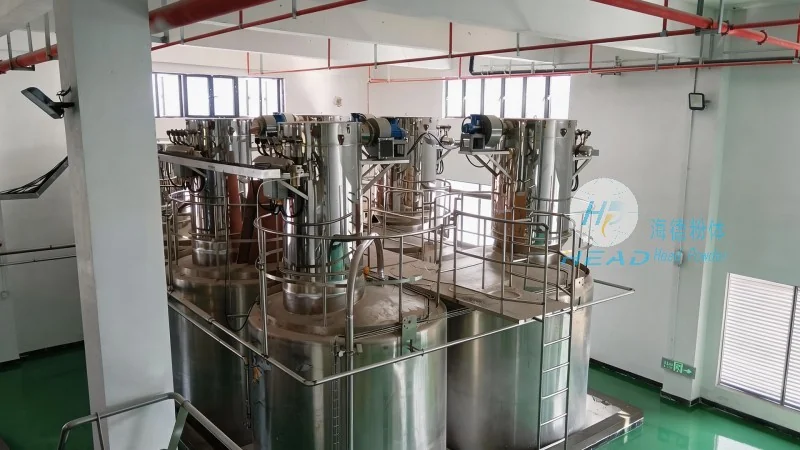
Principle of Pneumatic Conveying for Wood Ash
The core principle of pneumatic conveying systems involves utilizing compressed air or other gas to transport solid materials through a pipeline. For wood ash, the system typically operates under positive pressure, where air is forced through the pipeline, carrying the ash particles along with it. The process can be categorized into two main types: dilute phase and dense phase. Dilute phase systems use higher air velocities to move the ash in a relatively low concentration, while dense phase systems use lower velocities and higher material concentrations, often with pulse or valve-controlled air flow to ensure smooth transport. The choice between these systems depends on factors such as the distance to be covered, the material's characteristics (e.g., particle size, moisture content), and the required flow rate. For wood ash, which often has a relatively fine particle size and can be abrasive, selecting the appropriate conveying method is critical to prevent pipeline blockages and equipment wear.
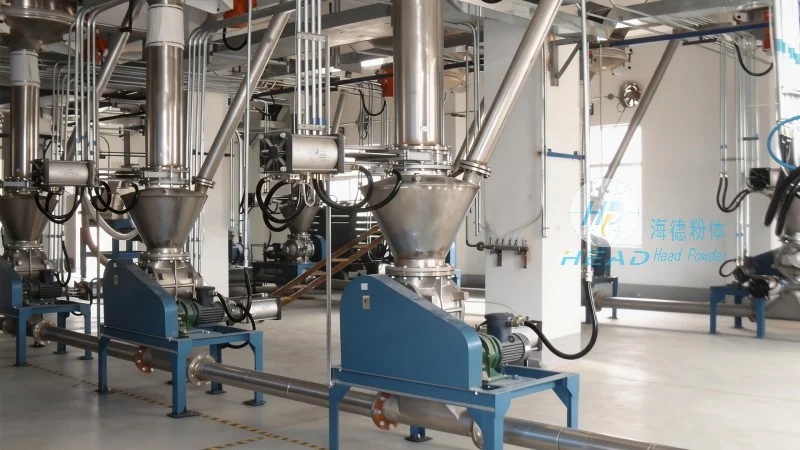
Key Working Scene Characteristics
The working scene characteristics of wood ash pneumatic conveying systems are tailored to the specific needs of industrial applications. These characteristics include the system's ability to handle varying ash qualities, flexibility in pipeline layout, and integration with existing production lines. One primary advantage is the system's ability to transport wood ash over long distances without intermediate storage or manual handling, reducing labor costs and improving safety. Additionally, pneumatic conveying systems can operate in both indoor and outdoor environments, making them suitable for facilities in different geographical locations. The system's design also considers environmental impact, as it minimizes dust emissions compared to traditional bucket elevators or belt conveyors—important for wood ash, which may contain fine particles harmful if released into the air. The working scene also includes integration with other processing equipment, such as grinding or mixing units, ensuring a seamless flow from ash collection to final product.
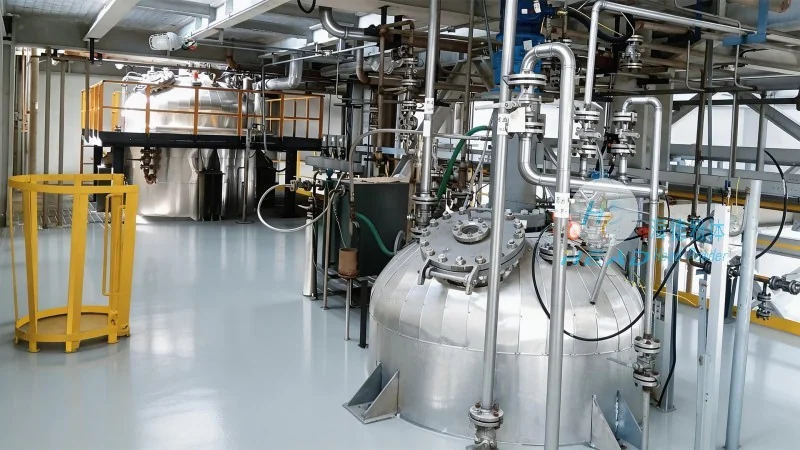
Application Scenarios and Operational Efficiency
Wood ash pneumatic conveying systems are widely used in various industrial settings. In the fertilizer industry, for example, the system efficiently transports wood ash from the combustion chamber to granulation or mixing stages, where it is combined with other nutrients to produce high-quality fertilizers. The system's ability to handle large volumes at a consistent flow rate ensures continuous production without interruptions. In the construction materials sector, wood ash is used as a raw material for cement or concrete production. The pneumatic conveying system delivers ash to the mixing plant with precision, maintaining the required composition and quality of the final product. Another application is in environmental remediation, where wood ash is used for soil stabilization or landfill cover. The system's flexibility in handling different ash types and ability to operate in remote locations makes it suitable for such projects. Operational efficiency is a key factor, as the system reduces downtime and maintenance costs by minimizing equipment wear and ensuring smooth material flow. The system's design includes features like automatic cleaning and monitoring, further enhancing reliability and performance in diverse working environments.
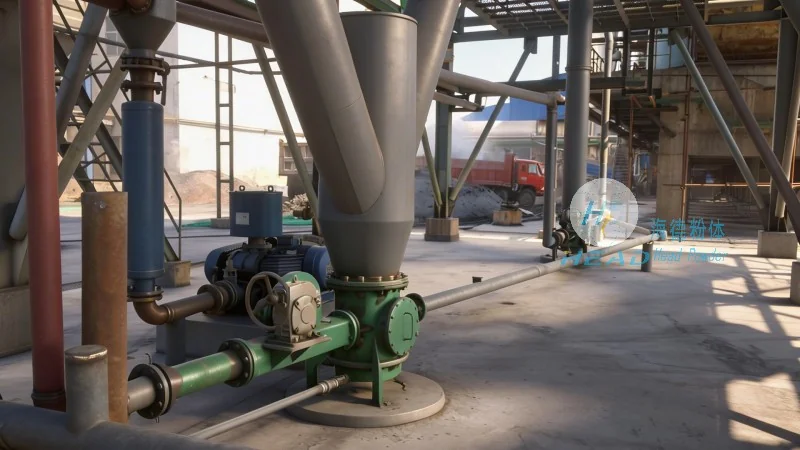
Conclusion and Company Overview
Wood ash pneumatic conveying systems are essential for the efficient and safe transport of wood ash in various industrial applications. By leveraging pneumatic transport principles, these systems provide a reliable solution that meets modern production demands. The working scene characteristics—flexibility, environmental friendliness, and integration capabilities—make them suitable for a wide range of applications. As a leading provider, Shandong HeadPowder Engineering Co., Ltd. specializes in designing and manufacturing customized pneumatic conveying systems tailored to wood ash handling needs. With a focus on quality and efficiency, the company ensures its systems deliver optimal performance and contribute to industrial success. Based in China, the company leverages expertise to serve global clients, providing solutions that enhance productivity and sustainability in wood ash processing.