

Principle and Working Scene Characteristics of Pea Pneumatic Conveying Lines
Pea pneumatic conveying lines are a critical component in modern agricultural and food processing operations, engineered to efficiently transport pea products through a sealed system. This technology utilizes air to move solid materials, ensuring minimal contamination and high throughput. The following sections will delve into the fundamental principles of these systems and the specific characteristics that make them suitable for diverse working environments.
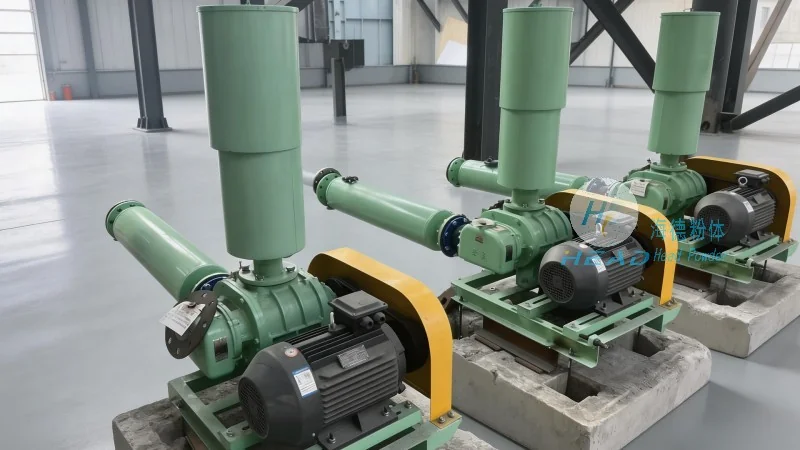
Company Overview: HeadPowder Engineering
HeadPowder Engineering, formally known as Shandong HeadPowder Engineering Co., Ltd., is a leading manufacturer specializing in pneumatic conveying equipment. Based in Shandong, China, the company has established a strong reputation for delivering high-quality, reliable solutions tailored to the agricultural and food processing sectors. HeadPowder's expertise centers on addressing the unique challenges of handling bulk materials like peas, providing engineering solutions that enhance operational efficiency and product quality.
The Principle of Pneumatic Conveying
The core principle of a pea pneumatic conveying line is the use of air to transport solid materials through a pipeline. This process is typically categorized into positive pressure and negative pressure systems. In a positive pressure system, air is blown into the conveying line, creating a pressure higher than ambient air, which propels pea particles forward. Negative pressure systems, conversely, draw air out, creating a vacuum that pulls material along. The choice between these systems depends on factors such as transport distance, material volume, and containment needs. The system generally includes a hopper for pea storage, a conveyor line with appropriate diameter and material (often stainless steel for hygiene), and a discharge point for collection. Air flow is controlled by a blower or fan, adjusting speed and pressure to maintain optimal conveying efficiency.
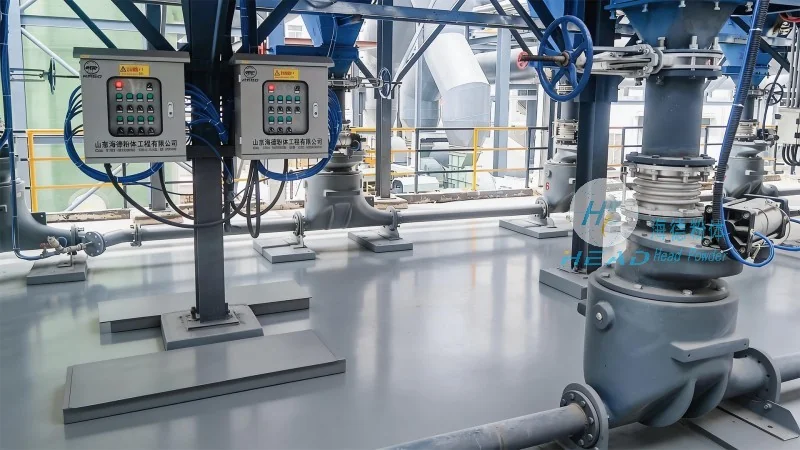
Working Scene Characteristics
The working scene characteristics of pea pneumatic conveying lines are designed to meet the specific demands of pea processing environments. These systems are commonly used in scenarios like pea harvesting, cleaning, grading, and packaging. A key characteristic is their ability to handle various pea sizes and shapes—whole peas, split, or broken—without causing damage, which is vital for maintaining product quality in food processing. Another critical aspect is the hygienic design: the equipment features smooth, easy-to-clean surfaces and sealed connections to prevent contamination from dust, moisture, or external factors. The enclosed system also minimizes cross-contamination between batches, essential for meeting regulatory standards and ensuring product integrity.
Efficiency and Operational Advantages
Pea pneumatic conveying lines offer significant operational advantages. One major benefit is high throughput capacity, enabling rapid movement of large volumes over long distances, ideal for large-scale processing plants. This automation reduces labor costs by eliminating manual loading/unloading. The enclosed system minimizes dust and noise, improving safety and worker comfort. Flexibility allows seamless integration with other processing equipment (e.g., cleaning machines, sorters, packaging lines), enhancing workflow efficiency and reducing downtime. These advantages contribute to increased productivity and lower operational costs, making the system a valuable asset for pea processing businesses.
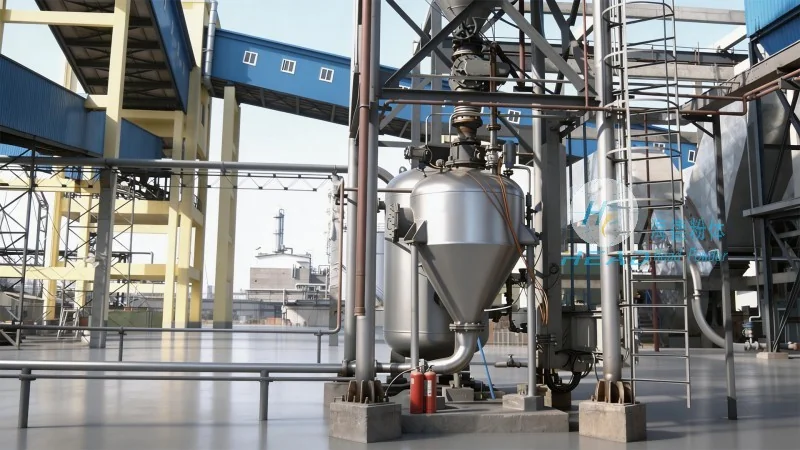
Application Examples in Pea Processing
Real-world applications of pea pneumatic conveying lines are widespread across the agricultural and food processing industries. For example, in a pea processing plant, the system might transport freshly harvested peas from a storage hopper to a cleaning station, then to a grading machine for sorting by size/quality, and finally to a packaging line. In a canning facility, the system could convey processed peas from a processing line to a canning machine, ensuring consistent, hygienic transfer. The adaptability of these lines to different processing stages highlights their versatility. By optimizing material flow, they boost productivity and reduce costs, making them indispensable for modern pea processing operations.
Conclusion
In summary, pea pneumatic conveying lines represent a sophisticated and efficient solution for handling pea products in various working environments. The principles of pneumatic conveying, combined with specialized design for pea processing, ensure reliable performance, high hygiene standards, and operational efficiency. As a leading manufacturer, HeadPowder Engineering continues to innovate, providing tailored solutions that meet the evolving needs of the agricultural and food processing industries. The working scene characteristics and operational advantages of these systems make them indispensable for modern pea processing facilities, contributing to higher productivity, better product quality, and enhanced safety standards.