

Principle and Working Scene Characteristics of Soap Granule Pneumatic Conveying Lines
Soap granule pneumatic conveying lines represent a sophisticated method for transporting soap granules efficiently and reliably. This technology is integral to modern manufacturing processes, offering advantages such as reduced labor costs, minimized material loss, and enhanced safety in handling bulk materials. The core principle of pneumatic conveying involves using air pressure to move solid particles through a pipeline system, which is particularly effective for materials like soap granules that require gentle handling to maintain their quality and consistency.
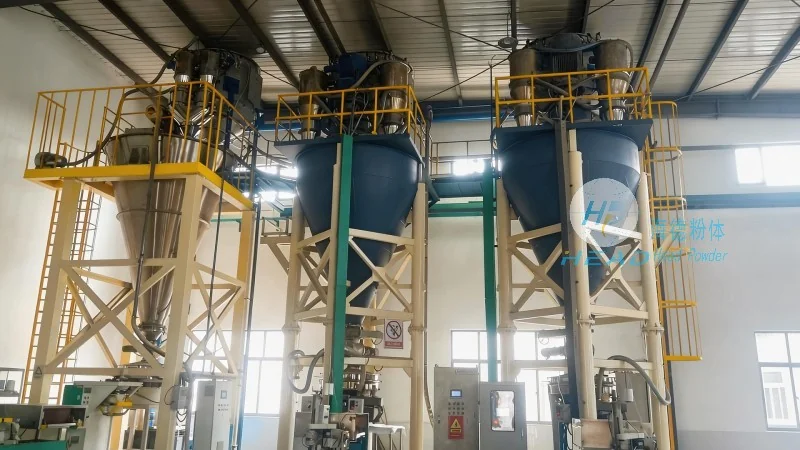
Principle of Pneumatic Conveying for Soap Granules
The fundamental principle behind soap granule pneumatic conveying lines is the utilization of air as the conveying medium. In this system, soap granules are introduced into a pipeline, and a fan or blower generates a flow of air that propels the granules forward. The process can be categorized into two main types: dilute phase and dense phase conveying. Dilute phase systems operate at higher air velocities, suitable for lighter materials like soap granules, while dense phase systems use lower velocities and higher air pressure to move material more gently, minimizing particle degradation. The choice of system depends on factors such as the material's properties, the distance to be conveyed, and the required flow rate.
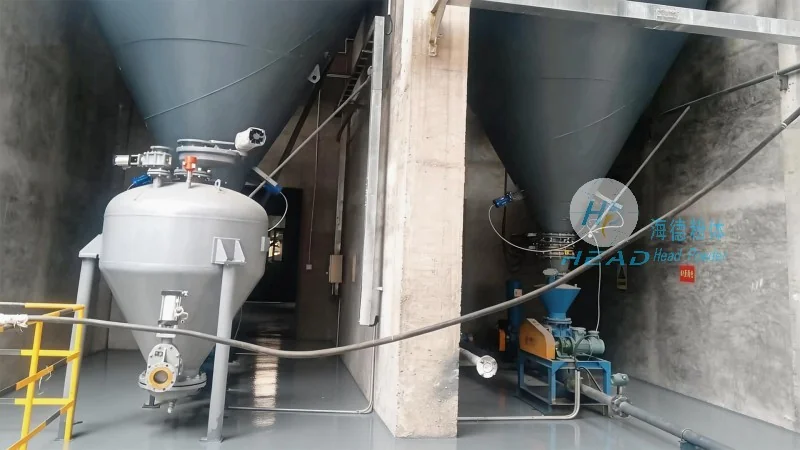
Working Scene Characteristics of Soap Granule Pneumatic Conveying Lines
Soap granule pneumatic conveying lines are widely employed in various industrial settings, including soap manufacturing plants, chemical processing facilities, and material handling operations. Their working scene characteristics are defined by several key aspects. First, the system's flexibility allows for integration into existing production lines, enabling seamless transfer of soap granules from storage silos to processing equipment, such as mixers or reactors. This integration enhances operational efficiency by reducing downtime and improving workflow continuity. Second, the conveying process is designed to handle varying granule sizes and moisture content, ensuring that the material's quality is preserved throughout the transfer. The gentle handling provided by pneumatic systems prevents agglomeration or breakage of the granules, which is crucial for maintaining the product's texture and performance.
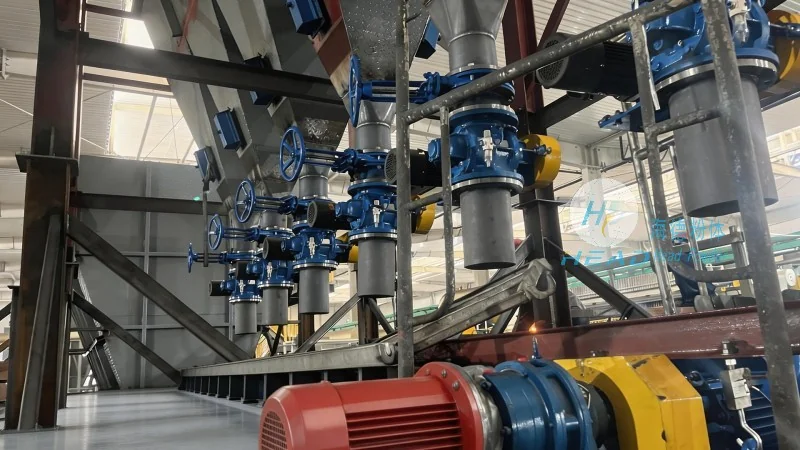
Application Scenarios and Operational Advantages
HeadPowder, a leading manufacturer of material handling solutions, specializes in designing and implementing soap granule pneumatic conveying lines tailored to specific industrial needs. The company's expertise lies in optimizing the conveying system to meet the unique requirements of each client. For instance, in soap manufacturing, the system can be configured to handle large volumes of granules while maintaining precise control over the flow rate, ensuring consistent product quality. The operational advantages of these systems include reduced maintenance costs due to fewer moving parts compared to mechanical conveyors, lower energy consumption, and improved safety by eliminating the need for manual handling of bulk materials. Additionally, the enclosed pipeline design minimizes dust and contamination, which is critical in food and chemical industries where product purity is paramount.
Technical Considerations and System Design
When designing a soap granule pneumatic conveying line, several technical considerations must be addressed to ensure optimal performance. These include selecting the appropriate air velocity and pressure based on the granule's density and size, as well as the conveying distance. The system's components, such as the hopper, feeder, and pipeline, are engineered to handle the specific characteristics of soap granules, which may have varying moisture levels and abrasive properties. HeadPowder, headquartered in Shandong, China, leverages advanced engineering and manufacturing capabilities to produce high-quality pneumatic conveying systems that meet international standards. The company's commitment to innovation ensures that their solutions are not only efficient but also durable and cost-effective, providing long-term value to their clients.
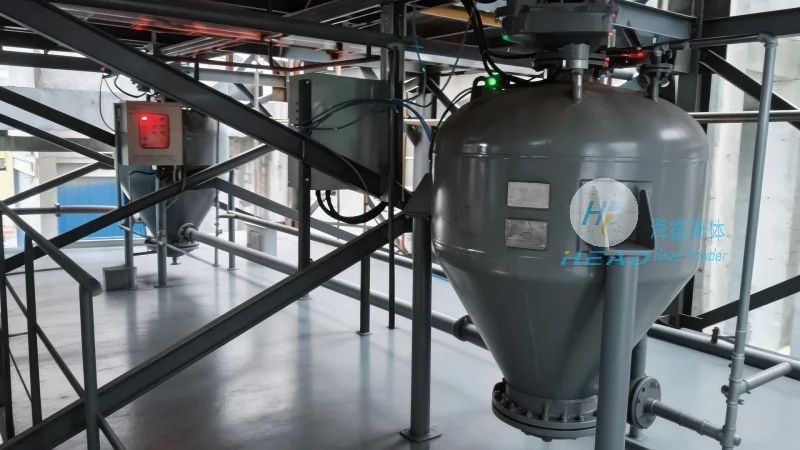
Conclusion and Future Prospects
Soap granule pneumatic conveying lines offer a reliable and efficient solution for transporting soap granules in industrial applications. By leveraging the principles of pneumatic conveying, these systems enhance productivity, maintain product quality, and improve operational safety. As industries continue to demand higher standards of efficiency and sustainability, the importance of advanced material handling technologies like these will only grow. HeadPowder, with its strong presence in Shandong, China, remains at the forefront of developing innovative solutions that address the evolving needs of the manufacturing sector, ensuring that soap granule transportation remains a key component of modern production processes.