

Principle and Working Scene Characteristics of Sweet Potato Pneumatic Conveying Lines
HeadPowder, a leading engineering company based in Shandong, China, specializes in the design and manufacturing of advanced pneumatic conveying systems tailored for agricultural processing industries. This article delves into the fundamental principles of sweet potato pneumatic conveying lines and highlights the key characteristics of their operational environments.
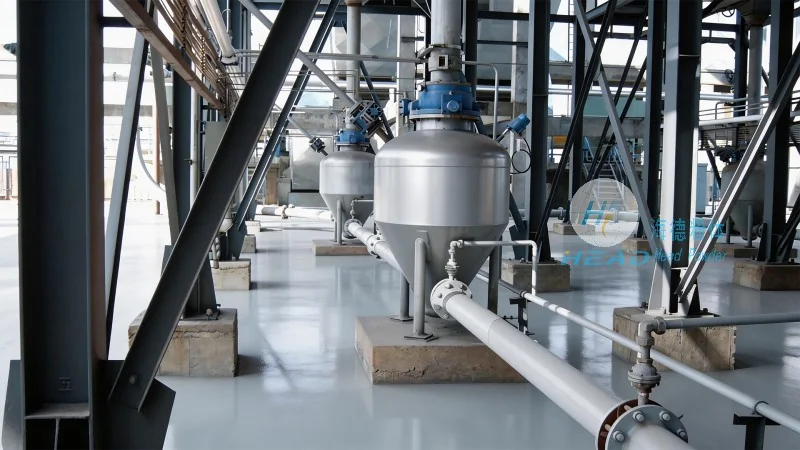
Understanding the Core Principle of Pneumatic Conveying Systems
Pneumatic conveying systems operate by transporting bulk materials, such as sweet potatoes, through a pipeline using air pressure. The system typically consists of a hopper for material storage, a blower or compressor to generate airflow, and a pipeline network that directs the material from the source to the destination. In the case of sweet potato pneumatic conveying, the process involves feeding peeled or unpeeled sweet potatoes into the hopper, where they are then drawn into the pipeline by the air flow. The air pressure and velocity are carefully controlled to ensure efficient and gentle handling of the sweet potatoes, minimizing damage during transport.
Key Working Scene Characteristics of Sweet Potato Pneumatic Conveying Lines
The operational environment of sweet potato pneumatic conveying lines is characterized by several critical factors that influence system performance and efficiency. Firstly, the system is designed to handle the unique physical properties of sweet potatoes, including their size, shape, and moisture content. The conveying line must be able to accommodate variations in sweet potato dimensions, ensuring consistent flow without blockages or clogging. Secondly, the system operates in high-volume processing environments, such as sweet potato processing plants, where large quantities of sweet potatoes need to be moved from one stage of production to another, like from washing and peeling to drying or packaging.
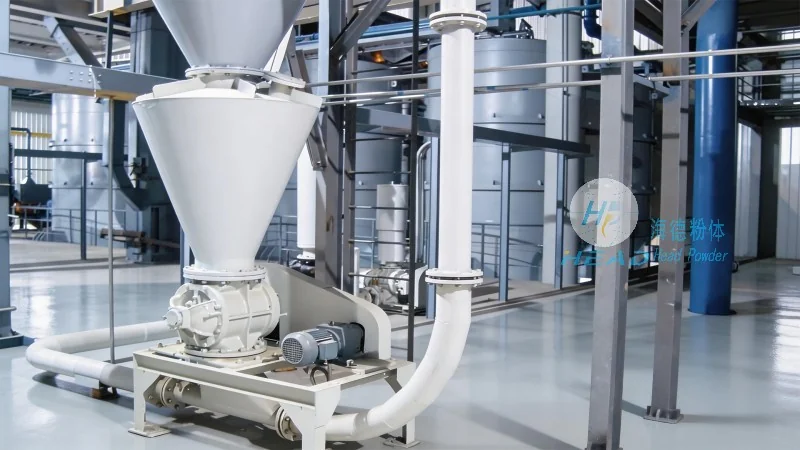
Another important characteristic is the need for gentle handling to preserve the quality of the sweet potatoes. Pneumatic conveying systems use low-pressure, low-velocity air to minimize mechanical stress on the tubers, preventing bruising or damage that could affect their market value. This is particularly crucial in applications where the sweet potatoes are intended for fresh consumption or high-value processing, such as for chips or purees. The system's design also includes features like flexible hoses and adjustable valves to adapt to the dynamic nature of sweet potato processing lines, allowing for easy integration with existing equipment and processes.
Application Scenarios and Industry Integration
Sweet potato pneumatic conveying lines are widely used in various stages of sweet potato processing, from primary handling to final product packaging. In primary processing, the system efficiently transports sweet potatoes from the reception area to the washing and peeling stations, reducing manual labor and improving operational speed. During the drying or dehydration phase, the conveying line can move sweet potatoes from the dryer to the cooling and packaging areas, maintaining product quality and preventing moisture-related issues. Additionally, the system is suitable for transporting sweet potatoes in the production of sweet potato flour or starch, where precise material handling is essential to achieve consistent product quality.
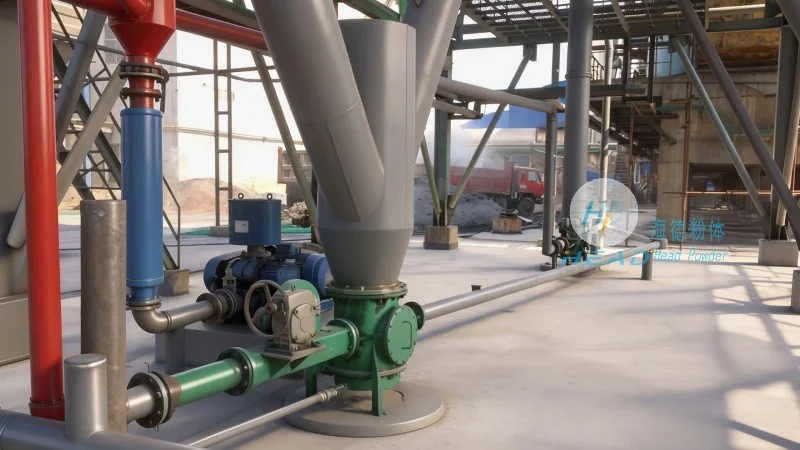
Advantages and Technical Considerations for Sweet Potato Pneumatic Conveying
Implementing a sweet potato pneumatic conveying line offers several advantages over traditional mechanical conveying methods. The primary benefit is the reduction in labor costs, as the system automates the material transport process, minimizing the need for manual handling. Additionally, pneumatic conveying provides a hygienic and clean environment, which is critical in food processing facilities to meet regulatory standards and maintain product safety. The system also offers flexibility in terms of layout, as the pipeline can be installed in various configurations to suit the specific space constraints and production flow of the processing plant.
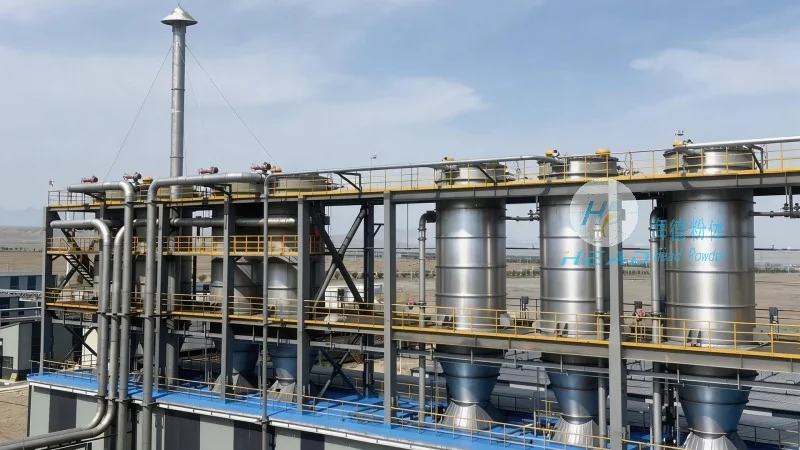
However, there are technical considerations that must be addressed when designing and operating a sweet potato pneumatic conveying line. The air pressure and flow rate must be optimized to prevent material degradation and ensure efficient transport. The system may require regular maintenance, such as cleaning of the pipeline and replacement of filters, to maintain performance and prevent clogging. Moreover, the selection of appropriate materials for the pipeline and components is crucial to withstand the corrosive nature of sweet potato processing environments and ensure long-term durability.
Conclusion: Enhancing Efficiency in Sweet Potato Processing
HeadPowder's sweet potato pneumatic conveying lines exemplify the integration of advanced engineering principles with practical agricultural processing needs. By understanding the core principles of pneumatic conveying and the specific characteristics of sweet potato handling, these systems provide reliable, efficient, and gentle transport solutions for processing facilities. The operational environments, characterized by high-volume processing and the need for quality preservation, are effectively addressed through carefully designed systems that optimize air flow, material handling, and overall system performance. As a result, sweet potato processing plants can achieve enhanced productivity, reduced operational costs, and improved product quality, making pneumatic conveying a preferred choice for modern sweet potato processing operations.