

Principle and Working Scene Characteristics of Steel Sand Material Pneumatic Conveying Systems
HeadPowder, a leading engineering firm based in Shandong, China, specializes in the design, manufacturing, and installation of advanced pneumatic conveying systems for various industrial applications. This article delves into the fundamental principles of steel sand material pneumatic conveying systems and highlights the key working scene characteristics that define their effectiveness and versatility in modern industrial processes.
Introduction to Steel Sand Material Pneumatic Conveying Systems
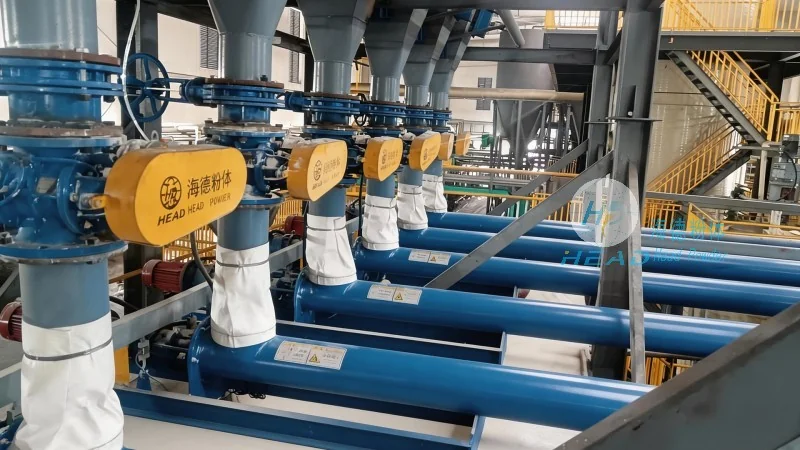
Steel sand, a critical raw material in industries such as foundries, metal casting, and manufacturing, requires efficient and reliable transportation methods to maintain production efficiency and product quality. Pneumatic conveying systems offer a solution by utilizing air pressure to transport steel sand particles through pipelines, eliminating the need for mechanical components like belts or buckets that may cause wear and contamination. The core principle of these systems is to create a pressure differential that propels the material through the system, ensuring smooth and continuous flow.
Key Components and Operational Principles
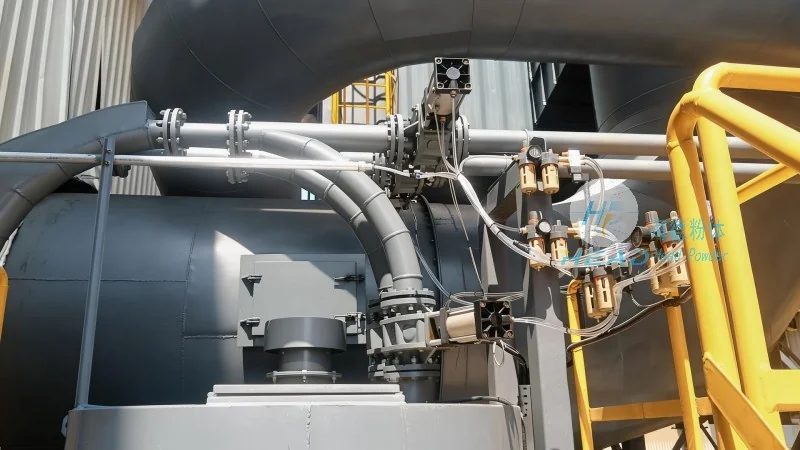
The steel sand material pneumatic conveying system typically consists of several key components, each playing a crucial role in the overall operation. The primary components include a hopper for material storage, a feeder to control the flow rate, a conveying line (pipeline) where the material is transported, and a receiver or discharge point where the material is deposited. The system operates by introducing compressed air into the conveying line, creating a pressure that lifts and moves the steel sand particles. The air velocity and pressure are carefully controlled to ensure the material is conveyed without degradation or loss of quality.
Working Scene Characteristics: Efficiency and Versatility
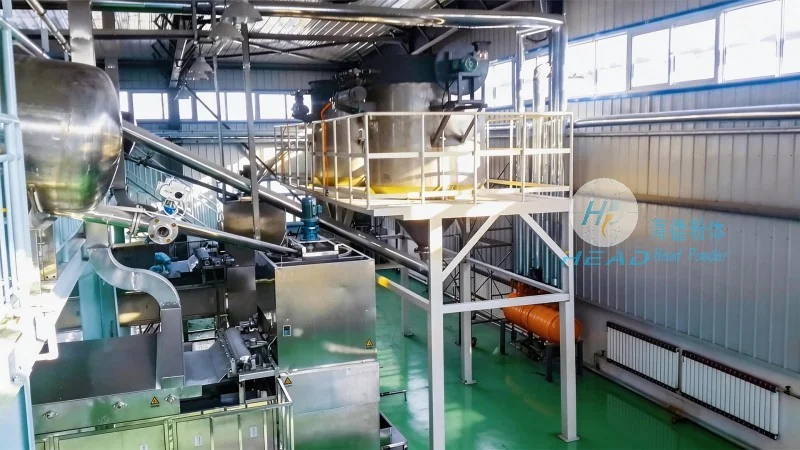
The working scene characteristics of steel sand material pneumatic conveying systems are defined by their ability to handle diverse operational requirements in industrial settings. These systems are designed to operate in environments where space is limited or where mechanical handling equipment may be impractical. The key characteristics include high efficiency in material transport, minimal maintenance requirements, and the ability to handle abrasive materials like steel sand without significant wear on system components. Additionally, the systems can be customized to accommodate varying material flow rates, pipeline lengths, and pressure requirements, making them adaptable to different production scales and layouts.
Application Scenarios and Industry Impact
Steel sand material pneumatic conveying systems are widely used in various industrial applications, including metal casting, foundry operations, and manufacturing processes where steel sand is a primary component. In metal casting, for example, these systems are essential for transporting steel sand from storage to the casting molds, ensuring consistent material quality and reducing downtime. In foundry operations, the systems help maintain a steady supply of steel sand to the molding machines, improving production throughput and reducing labor costs associated with manual handling. The versatility of these systems also makes them suitable for other applications, such as material handling in construction and mining industries, where abrasive materials need to be transported over long distances.
Advantages and Considerations for Implementation
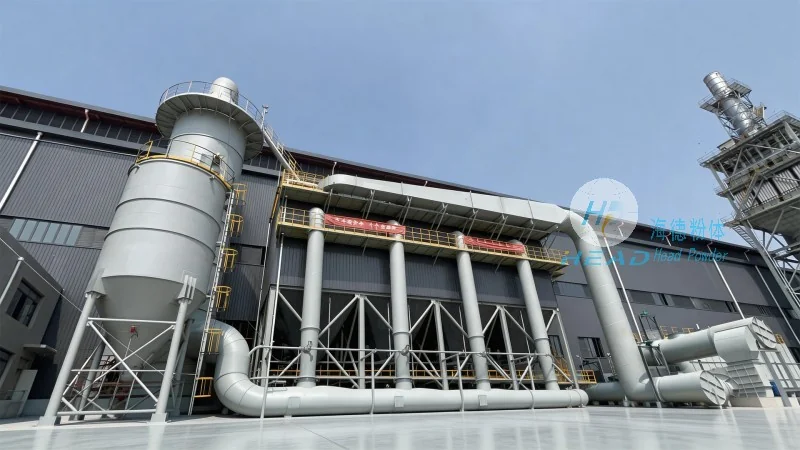
Implementing a steel sand material pneumatic conveying system offers several advantages, including improved material handling efficiency, reduced labor costs, and enhanced product quality. The systems are designed to minimize material degradation, which is critical for maintaining the integrity of steel sand used in casting processes. Additionally, the systems are relatively low-maintenance compared to traditional mechanical handling equipment, reducing operational costs over time. However, there are considerations to keep in mind when implementing such systems, including the need for proper air filtration to prevent dust accumulation and the importance of regular system checks to ensure optimal performance. The choice of system design, such as pressure or vacuum-based systems, also depends on the specific application and material characteristics.
Conclusion
Steel sand material pneumatic conveying systems, as developed and implemented by HeadPowder, represent a sophisticated solution for efficient material handling in industrial settings. By leveraging the principles of pneumatic transport, these systems offer high efficiency, versatility, and reliability, making them an essential component in modern manufacturing processes. The working scene characteristics of these systems, including their ability to handle abrasive materials and adapt to diverse operational requirements, highlight their importance in maintaining production efficiency and product quality. As industries continue to seek innovative solutions for material handling, the steel sand material pneumatic conveying system remains a critical technology for ensuring smooth and continuous operations.