

Principles and Working Scene Characteristics of Pneumatic Conveying Equipment for Refractory Materia
Shandong HeadPowder Engineering Co., Ltd. is a professional manufacturer specializing in the design, production, and installation of pneumatic conveying equipment tailored for the handling of refractory materials. The company is headquartered in Shandong, China, and has established itself as a key supplier in the refractory industry, offering solutions that enhance material transport efficiency and operational safety.
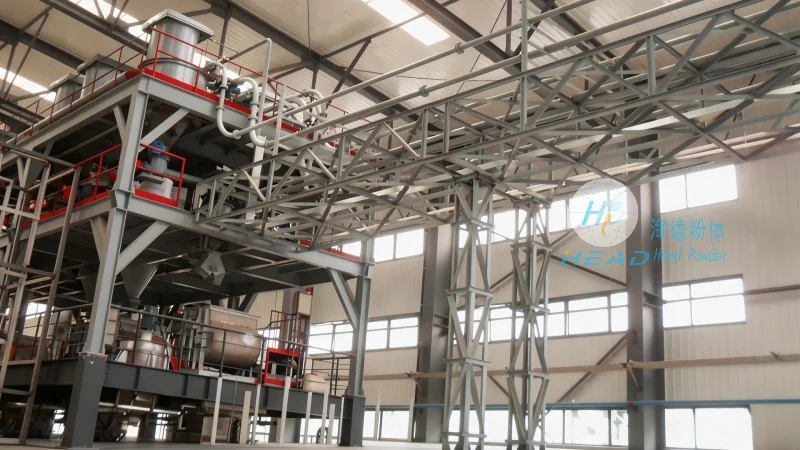
Understanding the Core Principles of Pneumatic Conveying Systems
Pneumatic conveying equipment operates by utilizing air or gas to transport bulk materials, such as refractory powders and granules, through a network of pipes. The fundamental principle involves creating a pressure differential or vacuum to move the material from the source to the destination. There are two primary types of pneumatic conveying systems: pressure systems, which use compressed air to push material forward, and vacuum systems, which use suction to draw material through the pipeline. For refractory materials, which often require gentle handling to prevent degradation or contamination, specialized designs are employed to maintain material integrity while ensuring efficient transport.
Key Working Scene Characteristics and Applications
The working scene characteristics of pneumatic conveying equipment for refractory materials are shaped by the specific demands of industrial environments where these materials are processed. In ceramic manufacturing facilities, for example, the equipment is used to transport raw materials like clay, silica, and alumina from storage silos to mixing and processing units. The system must handle fine powders and maintain a consistent flow rate to ensure uniform product quality. In steel and foundry operations, refractory materials like refractory bricks and castables are conveyed to casting lines or furnace loading areas. Here, the equipment must withstand high temperatures and abrasive conditions while providing reliable material transport. Additionally, in construction material production sites, the equipment facilitates the movement of refractory aggregates and powders to batching and mixing stations, supporting the production of high-performance building materials.
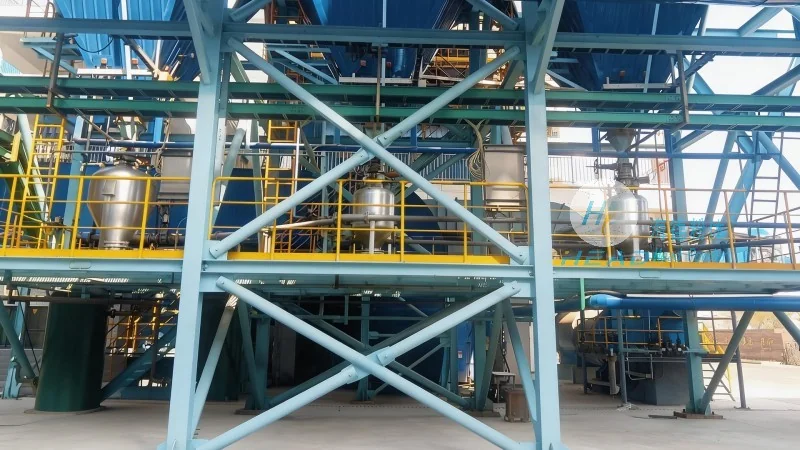
Advantages and Operational Efficiency in Refractory Handling
When applied to refractory material handling, pneumatic conveying systems offer several distinct advantages. Firstly, they eliminate the need for mechanical components like conveyor belts or buckets, reducing the risk of material contamination and degradation. The enclosed pipeline system also minimizes dust emissions, contributing to a cleaner and safer working environment. Secondly, these systems provide high transport speeds and can handle large volumes of material, improving overall production throughput. The ability to control flow rates and pressure allows for precise material delivery, which is critical in processes where uniformity is essential. Furthermore, pneumatic conveying equipment is highly adaptable, allowing for integration into existing industrial setups with minimal disruption. This flexibility makes it suitable for a wide range of applications, from small-scale laboratory operations to large-scale industrial production lines.
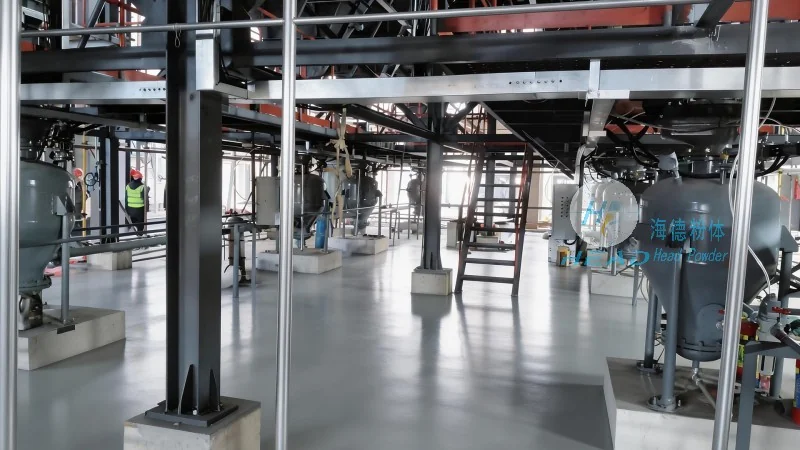
Ensuring Material Integrity and Process Reliability
A critical aspect of pneumatic conveying for refractory materials is maintaining the physical and chemical properties of the material throughout the transport process. The equipment is designed with smooth, non-abrasive internal surfaces to prevent particle attrition and ensure that the material remains in its original state. For materials sensitive to moisture or air exposure, the system may include sealed pipelines and air filtration units to protect the material from environmental contaminants. The control systems integrated into modern pneumatic conveying equipment allow for real-time monitoring of pressure, flow rate, and material level, enabling operators to quickly identify and address any issues that could affect process reliability. This proactive approach to maintenance and operation ensures consistent performance and reduces downtime in industrial settings.
Customization and Scalability for Diverse Refractory Handling Needs
Shandong HeadPowder Engineering Co., Ltd. recognizes that each refractory material handling application has unique requirements. Therefore, the company offers customized pneumatic conveying solutions tailored to specific material types, flow rates, and operational conditions. Whether the need is for a small-scale system for laboratory testing or a large-scale system for industrial production, the company's engineering team works closely with clients to design and implement the most suitable solution. The equipment can be scaled up or down to accommodate varying production volumes, and modifications can be made to integrate with existing infrastructure or to meet evolving process demands. This adaptability ensures that clients receive a system that not only meets current needs but also supports future growth and technological advancements in refractory material handling.