

Principle and Working Scene Characteristics of Bulk Bag Unloading Material Pneumatic Conveying Line
HeadPowder, a leading engineering company based in Shandong, China, specializes in the design and implementation of advanced material handling systems. This article explores the principle and working scene characteristics of bulk bag unloading material pneumatic conveying lines, highlighting how such systems enhance operational efficiency and safety in various industrial applications.
Understanding Pneumatic Conveying Systems for Bulk Bag Unloading
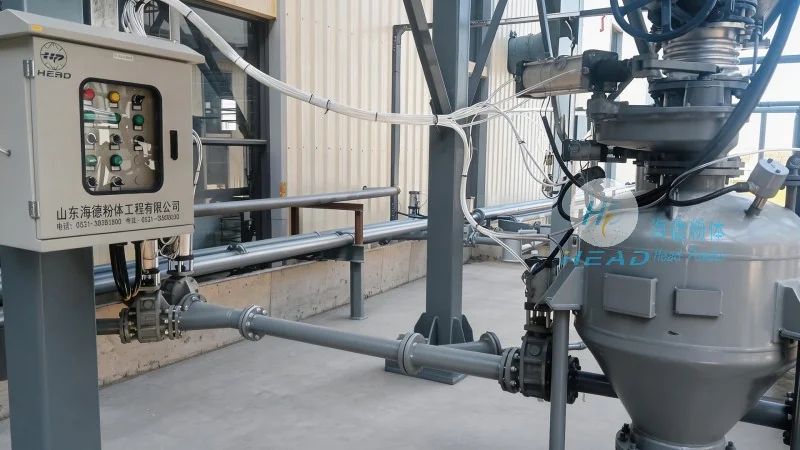
Pneumatic conveying lines are sophisticated systems that utilize air or gas to transport bulk materials from one location to another. In the context of bulk bag unloading, these systems are engineered to efficiently transfer materials from large bags (typically 1 tonne or more) into processing equipment, storage silos, or other handling units. The core principle involves creating a pressure differential to move material through a network of pipes, often using a combination of vacuum or pressure to draw or push the material along the system.
The Working Principle of Bulk Bag Unloading Pneumatic Conveying Lines
The operation of a bulk bag unloading pneumatic conveying line typically involves several key steps. First, the bulk bag is positioned at the inlet of the system, and the bag's opening is secured to the inlet port. Next, the conveying system is activated, creating a vacuum or pressure that draws the material from the bag into the conveying line. The material is then transported through the pipeline to the discharge point, where it is deposited into the target container or processing equipment. The system may include components such as a hopper, a rotary valve, and a filter to ensure smooth material flow and prevent dust emissions. The entire process is automated, minimizing manual handling and reducing the risk of material spillage or contamination.
Key Components and Their Functions
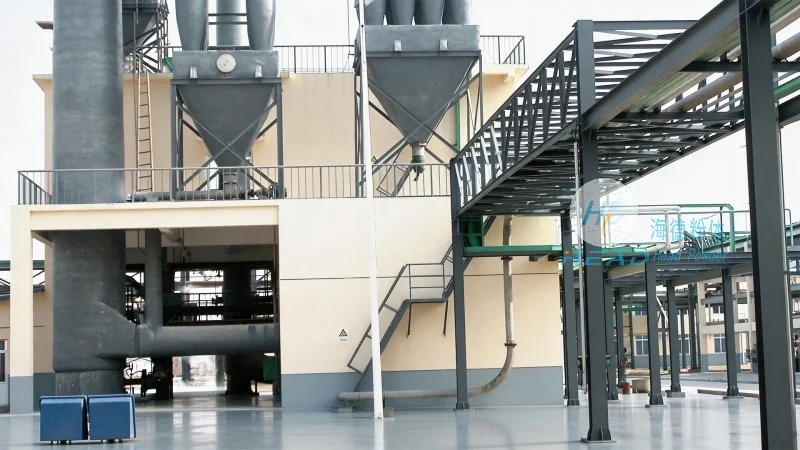
Several critical components work together to ensure the effective operation of a bulk bag unloading pneumatic conveying line. The inlet hopper is designed to receive the bulk bag and provide a stable feeding point. The rotary valve, often located at the discharge end, controls the flow of material into the downstream equipment, preventing backflow and ensuring consistent discharge rates. The filter system is essential for maintaining air quality and protecting the conveying equipment from dust and particulate matter. Additionally, the control panel allows operators to monitor and adjust system parameters, such as pressure and flow rates, to optimize performance and adapt to different material types or bag sizes.
Working Scene Characteristics and Industrial Applications
Bulk bag unloading pneumatic conveying lines are widely used in various industrial sectors due to their versatility and efficiency. In the chemical industry, these systems are employed to handle powders and granules, ensuring safe and clean material transfer from bulk bags to reactors or storage tanks. The food and pharmaceutical industries also benefit from such systems, as they provide hygienic and dust-free handling of sensitive materials, minimizing contamination risks. In the mining and mineral processing sector, pneumatic conveying lines are used to transport raw materials from bulk bags to processing plants, improving material throughput and reducing labor costs. The automotive and manufacturing industries utilize these systems for handling raw materials like plastics, resins, and metals, enhancing production line efficiency and reducing downtime.
Advantages of Bulk Bag Unloading Pneumatic Conveying Lines
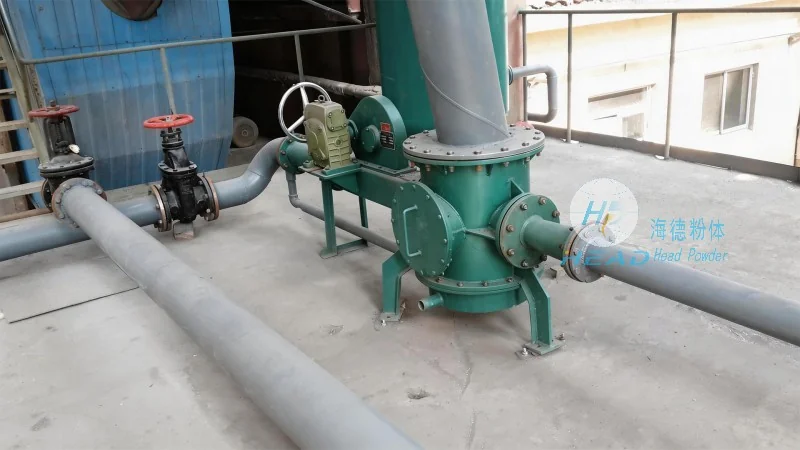
Implementing a bulk bag unloading pneumatic conveying line offers numerous advantages for industrial operations. One of the primary benefits is the significant reduction in manual labor, as the system automates the entire unloading process, from bag opening to material transfer. This not only improves safety by minimizing human exposure to dust and heavy lifting but also increases operational speed and consistency. Additionally, pneumatic conveying systems are highly flexible, allowing for easy integration with existing processing equipment and adaptability to different material characteristics. The enclosed design of the system prevents dust emissions, contributing to a cleaner working environment and compliance with environmental regulations. Furthermore, these systems can handle a wide range of material types, including fine powders, granules, and bulk solids, making them suitable for diverse industrial applications.
Conclusion and Company Expertise
Bulk bag unloading material pneumatic conveying lines represent a sophisticated solution for efficient and safe material handling in modern industrial settings. By leveraging advanced engineering and automation, these systems enhance productivity, reduce operational costs, and improve workplace safety. HeadPowder, with its headquarters in Shandong, China, is a trusted provider of such systems, offering customized solutions tailored to the specific needs of various industries. The company's expertise in material handling technology ensures that clients receive reliable and efficient pneumatic conveying lines that meet their operational requirements and contribute to long-term business success.