

Principle and Working Scene Characteristics of Silica Fume Material Pneumatic Conveying Lines
Silica fume, a byproduct of silicon metal and ferrosilicon production, is widely used in concrete and other construction materials due to its high pozzolanic activity. The efficient handling and transportation of silica fume are critical for industrial operations, and pneumatic conveying systems offer a reliable solution. This article explores the fundamental principles of silica fume material pneumatic conveying lines and highlights the key characteristics of their working environments, as provided by Shandong HeadPowder Engineering Co., Ltd.
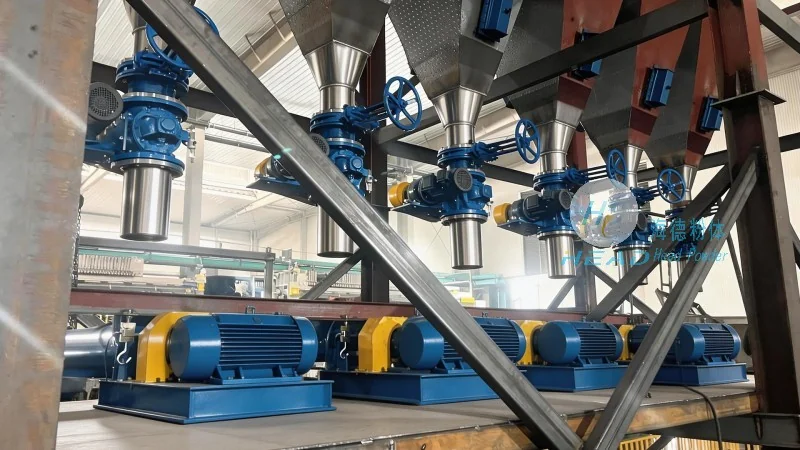
Core Principle of Pneumatic Conveying Systems
The operation of a pneumatic conveying line for silica fume is based on the principle of transporting solid particles through a pipeline using a gas stream, typically air. The system consists of several key components, including a hopper for material storage, a feeder to control the flow rate, a compressor or blower to generate the air pressure, and a pipeline network that transports the material to the destination. The process involves creating a pressure differential between the inlet and outlet of the pipeline, which propels the silica fume particles along the path. The velocity of the air stream must be sufficient to overcome the gravitational force acting on the particles and maintain their suspension within the pipeline.
Working Scene Characteristics
The working environment of silica fume pneumatic conveying lines is characterized by several factors that influence system performance and operational efficiency. Firstly, the material's physical properties, such as particle size, density, and moisture content, play a significant role. Silica fume particles are typically fine and lightweight, which can affect the air velocity required for stable conveying. Secondly, the system's design must consider the distance and layout of the pipeline, as these factors impact the pressure drop and energy consumption. For example, longer pipelines or complex layouts may require additional booster units to maintain the necessary air pressure. Thirdly, the operating conditions, including ambient temperature and pressure, can affect the system's performance. Proper temperature control is essential to prevent material caking or degradation, especially if the silica fume is sensitive to moisture or heat.
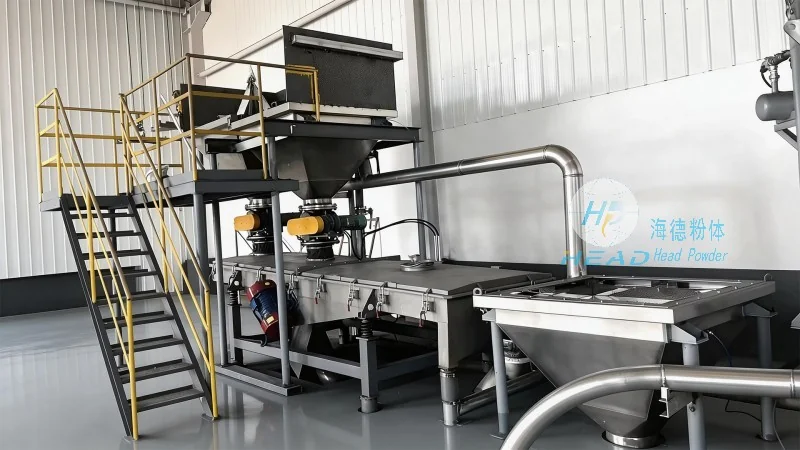
Application Scenarios and Operational Advantages
Silica fume material pneumatic conveying lines are commonly used in various industrial settings, including cement plants, concrete mixing facilities, and chemical processing plants. In cement production, these systems are used to transport silica fume from storage silos to the raw material blending process, ensuring a consistent and controlled addition of the pozzolanic material. The advantages of pneumatic conveying over traditional methods, such as belt conveyors or bucket elevators, include reduced material degradation, lower dust emissions, and improved safety due to enclosed systems. Additionally, pneumatic conveying allows for flexible routing of the pipeline, enabling the integration of multiple processing units within a facility without the need for extensive reconfiguration.
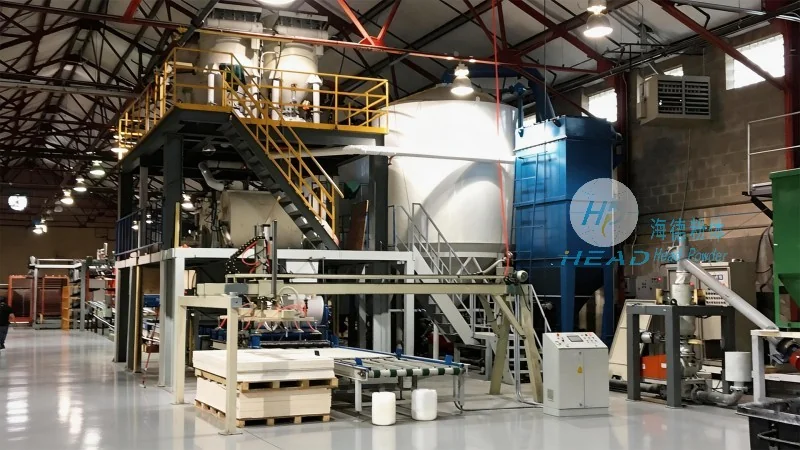
System Components and Design Considerations
The effectiveness of a silica fume pneumatic conveying line depends on the proper selection and integration of its components. The hopper design is critical to prevent material bridging or segregation, which can lead to uneven flow rates. A well-designed hopper with appropriate aeration and discharge mechanisms ensures a smooth material feed. The feeder, often a rotary valve or a screw feeder, controls the material flow rate and maintains a consistent pressure drop in the pipeline. The compressor or blower must provide sufficient air pressure and volume to overcome the system's resistance, and its capacity is determined by the material's characteristics and the pipeline length. The pipeline itself is typically made of stainless steel or other corrosion-resistant materials to handle the silica fume's chemical properties and prevent wear from the fine particles. Additionally, the system may include filters and cyclones to separate the air from the material at the destination, ensuring that the conveyed material is delivered in a clean and dry state.
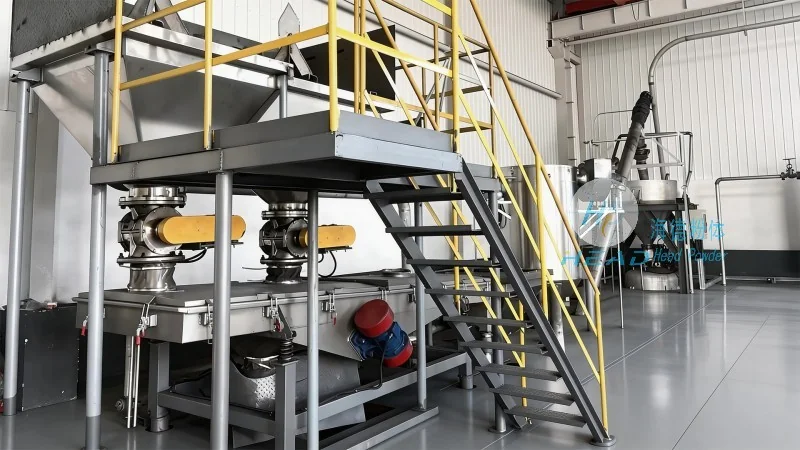
Operational Maintenance and Performance Optimization
Regular maintenance is essential to ensure the long-term reliability and efficiency of silica fume pneumatic conveying lines. Key maintenance tasks include cleaning the pipeline and components to prevent clogging or corrosion, inspecting the feeder and hopper for wear or damage, and checking the compressor or blower for proper operation. Monitoring the system's performance parameters, such as pressure drop, air flow rate, and material flow rate, helps identify potential issues early and allows for adjustments to optimize performance. For example, if the pressure drop increases over time, it may indicate a buildup of material in the pipeline or a blockage, which requires cleaning or maintenance. Proper maintenance not only extends the system's lifespan but also reduces downtime and operational costs.
Conclusion
Silica fume material pneumatic conveying lines are an essential technology for the efficient handling and transportation of silica fume in industrial applications. By understanding the core principles of pneumatic conveying and the characteristics of the working environment, manufacturers can design and operate systems that deliver reliable performance and meet the demands of modern construction and chemical industries. The integration of advanced components and maintenance practices ensures that these systems remain effective and efficient, supporting the sustainable use of silica fume as a valuable material in various applications.