

Principle and Working Scene Characteristics of Wheat Material Pneumatic Conveying Lines
Wheat material pneumatic conveying lines represent a critical component of modern grain processing and handling infrastructure, engineered to efficiently transport wheat and similar bulk materials across various distances and operational settings. By leveraging the principles of air movement, these systems offer a flexible and efficient alternative to traditional mechanical conveyors, making them indispensable in agricultural and industrial environments where grain handling efficiency is paramount.
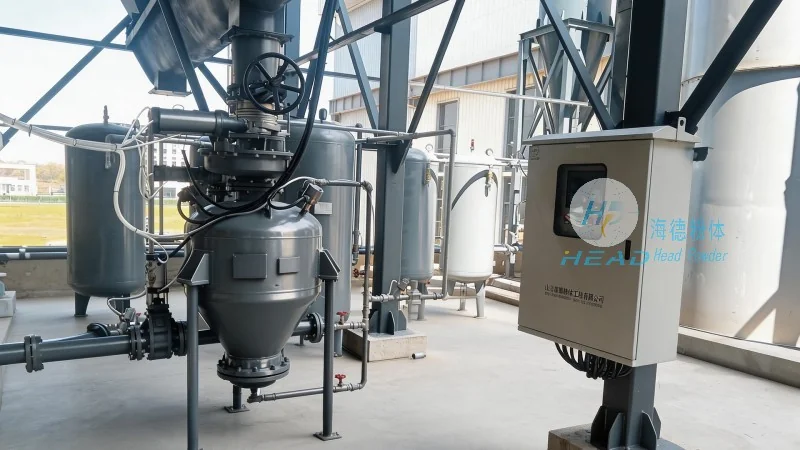
Principle of Pneumatic Conveying for Wheat Materials
The fundamental principle of a wheat material pneumatic conveying line revolves around the use of compressed air to create a pressure differential that propels wheat particles through a pipeline. This pneumatic conveying method operates by introducing air into the system, which generates a low-pressure zone that draws the wheat material into the pipeline. The air then acts as a carrier, transporting the wheat particles along the line to the desired destination. This process is particularly effective for short to medium-distance transfers, such as moving wheat from field storage to processing facilities or from silos to milling equipment. The technology ensures minimal material degradation, as the wheat is handled gently without the friction or impact associated with mechanical conveyors.
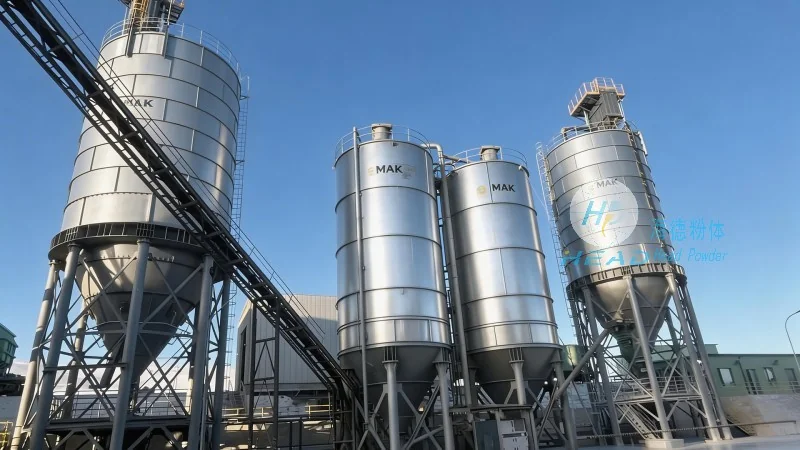
Working Scene Characteristics and Operational Adaptability
The working scene characteristics of wheat material pneumatic conveying lines are tailored to the specific demands of wheat handling environments. These systems are designed to accommodate the lightweight and free-flowing nature of wheat, ensuring consistent and reliable transport. The conveying lines are typically constructed from corrosion-resistant materials, such as stainless steel or coated steel, to withstand exposure to moisture and potential contaminants in the wheat. Additionally, the systems incorporate features like air filters and pressure regulators to maintain optimal performance and prevent material buildup. A key advantage is the flexibility of the design, which allows the lines to be integrated into existing grain handling infrastructure with minimal modifications. This adaptability makes them suitable for both on-farm applications, where space and layout constraints are common, and industrial settings, where large-scale processing requires high throughput.
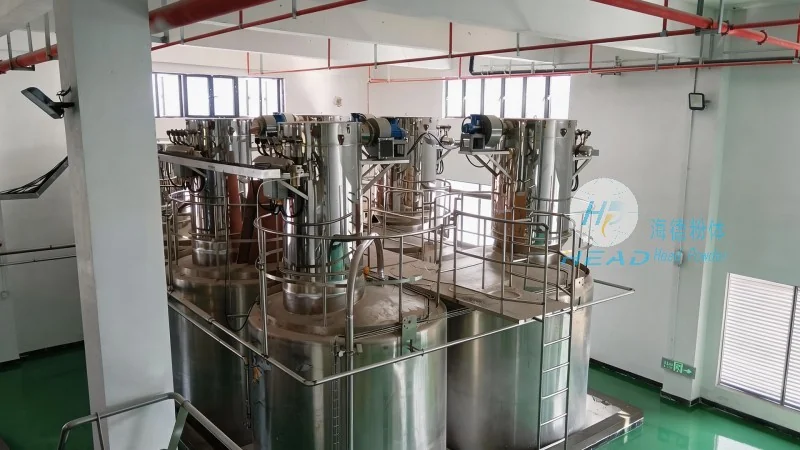
Application Scenarios and Operational Benefits
Wheat material pneumatic conveying lines are widely utilized across diverse operational scenarios, including on-farm grain storage and transfer, industrial grain mills, and processing plants. In on-farm settings, these systems facilitate the movement of wheat from harvested fields to storage silos or drying facilities, streamlining the post-harvest workflow. In industrial contexts, they are employed to transport wheat from storage bins to grinding, milling, or packaging equipment, supporting high-volume processing operations. The operational benefits of using pneumatic conveying lines for wheat materials include enhanced efficiency, reduced labor costs, and improved safety compared to manual handling or mechanical conveyors. The systems also minimize material loss and contamination, preserving the quality of the wheat throughout the conveying process. Furthermore, the ability to adjust air pressure and flow rates allows for precise control over conveying speed, enabling operators to optimize the system for varying batch sizes and processing requirements.