

Principle and Working Scene Characteristics of Sulfur Material Pneumatic Conveying Lines
HeadPowder, a leading engineering firm based in Shandong, China, specializes in the design and implementation of advanced pneumatic conveying systems tailored for sulfur material handling. This article delves into the fundamental principles of sulfur material pneumatic conveying lines and explores the distinct characteristics of their operational environments.
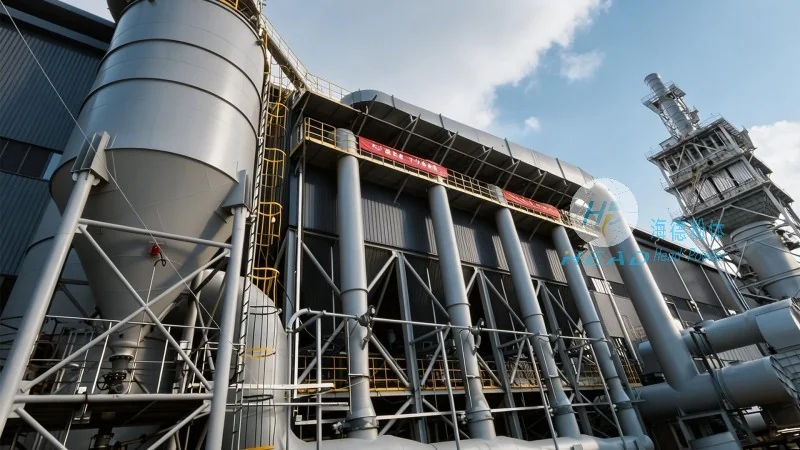
Understanding the Core Principle of Sulfur Material Pneumatic Conveying
The pneumatic conveying of sulfur materials relies on the fundamental principle of transporting bulk solids through a pressurized or vacuumed air stream. In a typical system, sulfur granules or powder are introduced into a pipeline where they are entrained by a high-velocity air flow. This process, often referred to as pneumatic transport, utilizes the kinetic energy of the air to move the material from the source to the destination. The system can operate under either positive pressure (where air is forced through the pipeline) or negative pressure (where air is drawn out, creating a vacuum). The choice between these modes depends on factors such as the distance of transport, the nature of the sulfur material, and the specific requirements of the application.
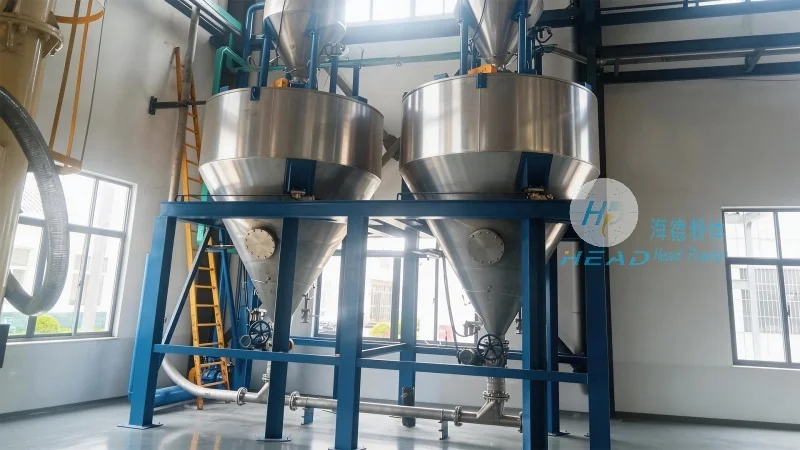
Key Components and Their Function in Sulfur Pneumatic Conveying Systems
Effective sulfur material pneumatic conveying lines consist of several critical components that work in concert to ensure efficient and reliable operation. These include the material feed system, which introduces the sulfur into the pipeline; the air supply unit, which generates the necessary pressure or vacuum; the conveying pipeline itself, which transports the material; and the discharge equipment, which delivers the sulfur to the final destination. Additionally, control valves and sensors are integrated to regulate the flow rate and monitor system performance. Each component plays a vital role in maintaining the integrity of the sulfur material during transport, preventing issues such as blockages or degradation.
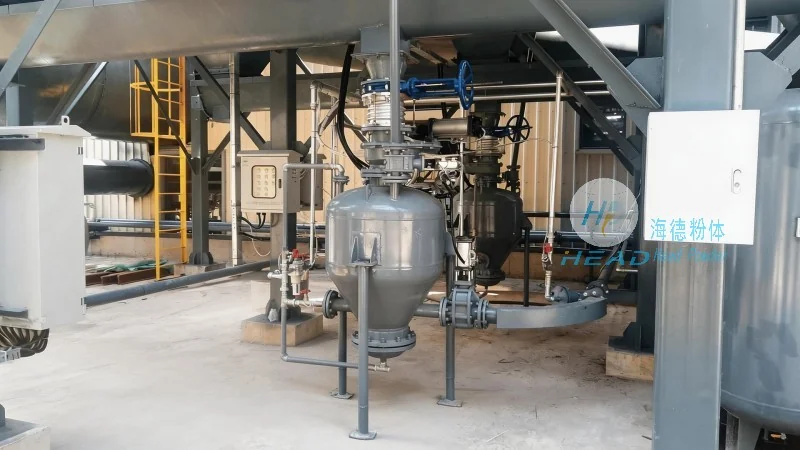
Working Scene Characteristics: Environmental and Operational Factors
The operational environment of sulfur material pneumatic conveying systems presents unique challenges and characteristics that must be carefully considered. Sulfur, being a chemical compound, can exhibit properties such as moisture sensitivity and potential for dust generation, which impact the design of the conveying line. For instance, in outdoor or open-air applications, the system must be equipped with dust suppression measures to comply with environmental regulations and ensure worker safety. The temperature of the sulfur material and the ambient conditions also influence the choice of materials for the pipeline and components, as high temperatures may require heat-resistant materials to prevent degradation or failure. Furthermore, the scale of the operation, whether it is a small-scale batch process or a large-scale continuous system, dictates the system's capacity and complexity. These factors collectively shape the working scene characteristics, making each application distinct and requiring tailored solutions.
Applications and Industries Benefiting from Sulfur Pneumatic Conveying
Sulfur material pneumatic conveying lines find widespread application across various industries, including chemical manufacturing, fertilizer production, and petroleum processing. In chemical plants, these systems are used to transport sulfur from storage silos to reactors or processing units, ensuring a continuous and safe supply of raw material. In fertilizer production, the efficient handling of sulfur is crucial for the manufacturing of sulfur-based fertilizers, where consistent material flow is essential for maintaining production rates. The petroleum industry also utilizes pneumatic conveying for sulfur recovery and processing, where the removal of sulfur from crude oil is a critical step in refining. Each of these applications leverages the advantages of pneumatic transport, such as reduced labor costs, minimized material handling risks, and improved process control.
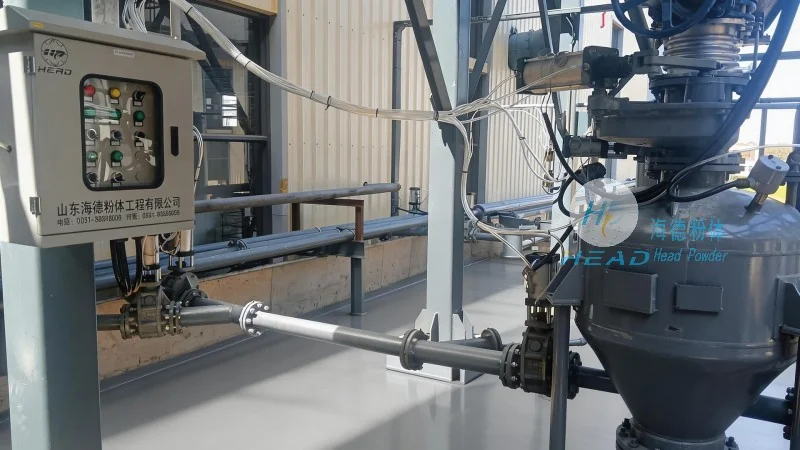
HeadPowder's Expertise in Designing Sulfur Pneumatic Conveying Solutions
Shandong HeadPowder Engineering Co., Ltd., with its headquarters in Shandong, China, has established itself as a trusted provider of customized pneumatic conveying solutions for sulfur materials. The company's team of experienced engineers and technicians possesses in-depth knowledge of the principles and challenges associated with sulfur material handling. By leveraging advanced design software and rigorous testing protocols, HeadPowder develops systems that meet the specific needs of each client. The company's commitment to quality and reliability is reflected in its adherence to international standards and its focus on long-term partnerships with clients. Whether it is a new installation or the upgrade of an existing system, HeadPowder offers comprehensive services, including system design, installation, and maintenance, ensuring that clients achieve optimal performance and operational efficiency.