

Principles and Working Scene Characteristics of Coffee Material Pneumatic Conveying Lines
For coffee processing facilities, efficient and reliable material handling is crucial to maintaining production efficiency and product quality. The coffee material pneumatic conveying line, as a key equipment in the coffee production process, plays a vital role in transporting coffee beans, ground coffee, and other related materials. This article will delve into the principles of coffee material pneumatic conveying systems and explore their working scene characteristics, providing a comprehensive understanding of this technology, with a focus on the solutions offered by Shandong HeadPowder Engineering Co., Ltd., a leading provider of industrial conveying systems.
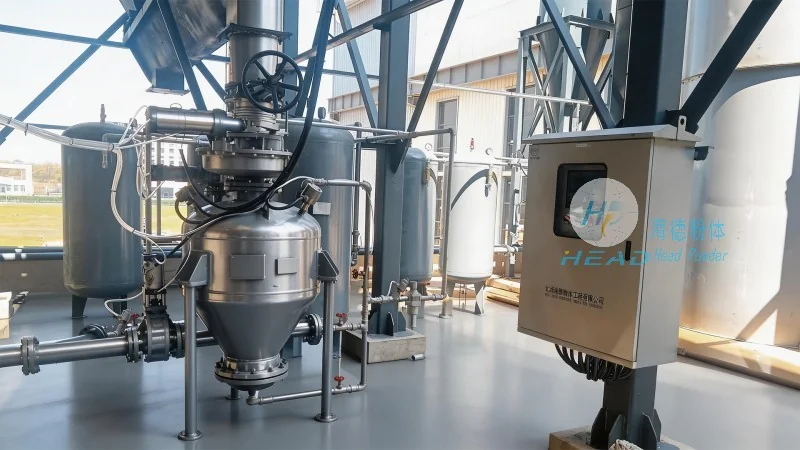
Overview of Coffee Material Pneumatic Conveying Systems
The coffee material pneumatic conveying line is a system that uses compressed air or other gas to transport solid materials, such as coffee beans, through a pipeline. This technology offers several advantages over traditional mechanical conveying methods, including reduced labor costs, improved hygiene, and the ability to handle materials in a closed system, which helps maintain product freshness and prevent contamination. The system typically consists of a hopper, a conveyor pipeline, a control valve, and a dust collector. The coffee material is fed into the hopper, and then the compressed air is introduced to create a flow that carries the material through the pipeline to the destination point. Shandong HeadPowder Engineering Co., Ltd. specializes in designing and manufacturing customized pneumatic conveying systems tailored to the unique requirements of coffee processing facilities, ensuring optimal performance and reliability.
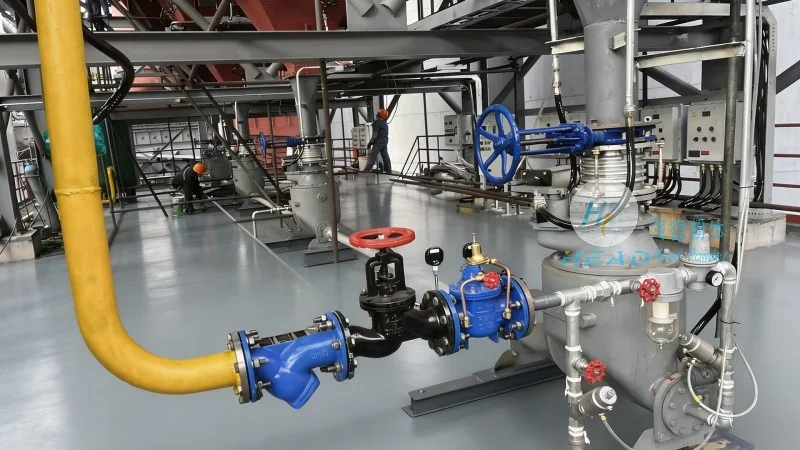
Principles of Pneumatic Conveying
The core principle of pneumatic conveying is the use of air flow to move solid particles. There are two main types of pneumatic conveying systems: pressure and vacuum. In pressure systems, the material is conveyed by compressed air, while in vacuum systems, the material is drawn by a vacuum pump. For coffee materials, the pressure system is more commonly used due to its ability to handle a wide range of particle sizes and moisture content. The conveying process involves several key steps: material feeding, air injection, particle suspension, and material deposition. The air velocity must be sufficient to lift and transport the coffee particles, and the pipeline design must be optimized to minimize pressure drop and ensure smooth material flow. The design of the conveying system by Shandong HeadPowder Engineering Co., Ltd. focuses on maximizing efficiency and minimizing energy consumption, which is critical for large-scale coffee production operations.
Working Scene Characteristics of Coffee Material Pneumatic Conveying Lines
The application scenarios of coffee material pneumatic conveying lines vary depending on the specific needs of the coffee processing facility. In large-scale coffee production plants, these systems are used for bulk material handling, such as transporting raw coffee beans from storage silos to roasting machines or from roasting to grinding units. The closed pipeline system ensures that the coffee beans are protected from external contaminants and that the roasting and grinding processes are carried out in a controlled environment. In addition, the system can be integrated with other processing equipment, such as air classifiers and separators, to further enhance the quality of the final coffee product. Shandong HeadPowder Engineering Co., Ltd. has successfully implemented numerous pneumatic conveying lines in coffee processing facilities across China, demonstrating the effectiveness and reliability of their solutions.
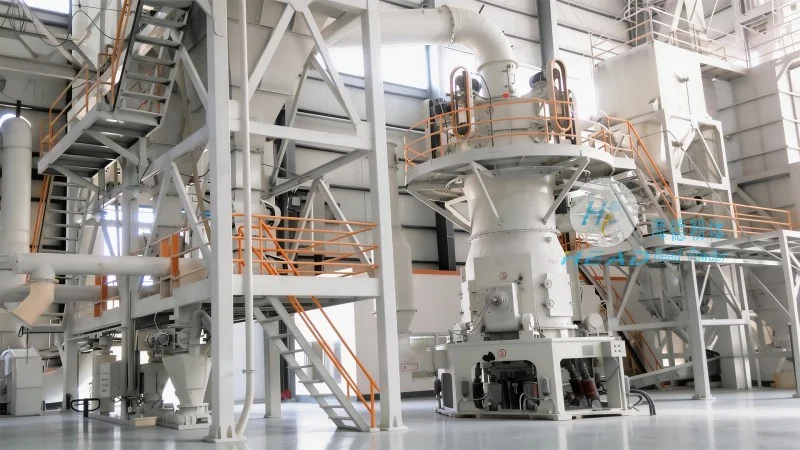
Advantages and Considerations in Coffee Material Handling
Compared to traditional mechanical conveying methods, coffee material pneumatic conveying lines offer several advantages. These include improved product hygiene, as the system operates in a closed environment, reducing the risk of cross-contamination. Additionally, the system can handle materials with high moisture content or delicate structures without causing damage, which is particularly important for coffee beans and ground coffee. However, there are also some considerations to keep in mind when implementing a pneumatic conveying system. The initial investment cost may be higher than that of mechanical systems, and the system requires regular maintenance to ensure optimal performance. Furthermore, the design of the pipeline and the selection of the air velocity are critical factors that can affect the efficiency and effectiveness of the conveying process. Shandong HeadPowder Engineering Co., Ltd. provides comprehensive support, including system design, installation, and maintenance services, to help coffee processing companies overcome these challenges and achieve long-term operational success.