

Principle and Working Scene Characteristics of Pneumatic Conveying Equipment for Artificial Graphite
HeadPowder, a leading manufacturer based in Shandong, China, specializes in providing advanced pneumatic conveying solutions tailored for artificial graphite materials. This equipment is designed to efficiently transport graphite powders and granules in industrial settings, offering a reliable alternative to traditional bulk material handling methods. The core principle of pneumatic conveying involves using compressed air or other gas streams to move materials through a pipeline system, ensuring safe and efficient material transfer with minimal product degradation.
Working Principle of Pneumatic Conveying Systems
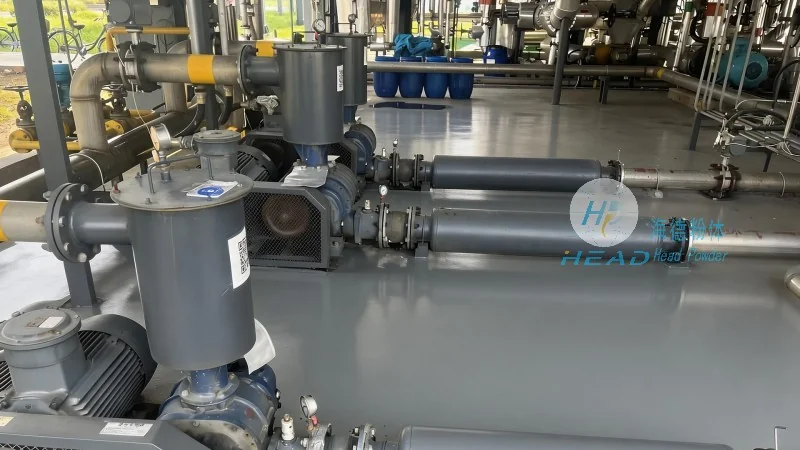
The operation of pneumatic conveying equipment for artificial graphite materials relies on the fundamental principle of fluidization and gas-solid flow. In a typical system, the artificial graphite is introduced into a hopper or feeder, where it is then drawn into a pipeline by a vacuum or pressure source. Compressed air is introduced at the discharge end, creating a flow that carries the graphite particles through the pipeline. The system can operate under either positive pressure (pressure conveying) or negative pressure (vacuum conveying), depending on the application requirements. For artificial graphite, which is often fine and abrasive, the choice of conveying method and system design is critical to maintain material quality and prevent equipment wear.
Key Components and Their Functions
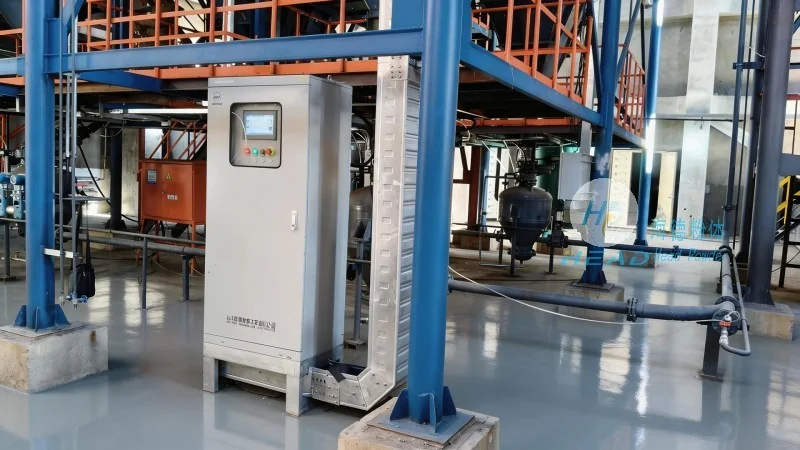
HeadPowder's pneumatic conveying systems for artificial graphite typically consist of several key components, each playing a vital role in the overall operation. These include a material feeder to control the flow rate, a conveying pipeline to transport the material, a filter or separator to remove air from the product stream, and a receiver or discharge hopper to collect the conveyed material. The material feeder, often a rotary valve or screw feeder, ensures a consistent feed rate, preventing blockages and maintaining system efficiency. The conveying pipeline is usually made of stainless steel or other corrosion-resistant materials to withstand the abrasive nature of graphite particles. The filter system is crucial for maintaining product purity, as it removes any entrained air and fine particles that could affect downstream processes. The receiver or discharge hopper provides a storage area for the conveyed material, allowing for further processing or packaging.
Working Scene Characteristics and Application Advantages
The working scene characteristics of pneumatic conveying equipment for artificial graphite materials are tailored to meet the specific demands of industrial applications. One of the primary advantages is the ability to handle fine and dusty materials without the need for mechanical components that could cause contamination or product degradation. This is particularly important in applications where the graphite is used in high-purity applications, such as in battery manufacturing or refractory materials. Another key characteristic is the system's flexibility, as it can be adapted to various production scales and layouts, from small-scale laboratory operations to large-scale industrial plants. The equipment also offers advantages in terms of space efficiency, as it can be installed in confined areas without the need for extensive infrastructure. Additionally, the pneumatic conveying system provides a closed-loop operation, reducing the risk of dust emissions and improving workplace safety. For artificial graphite materials, which are often sensitive to moisture and contamination, this closed system is essential to maintain product quality and meet regulatory standards.
Customization and Integration with Existing Systems
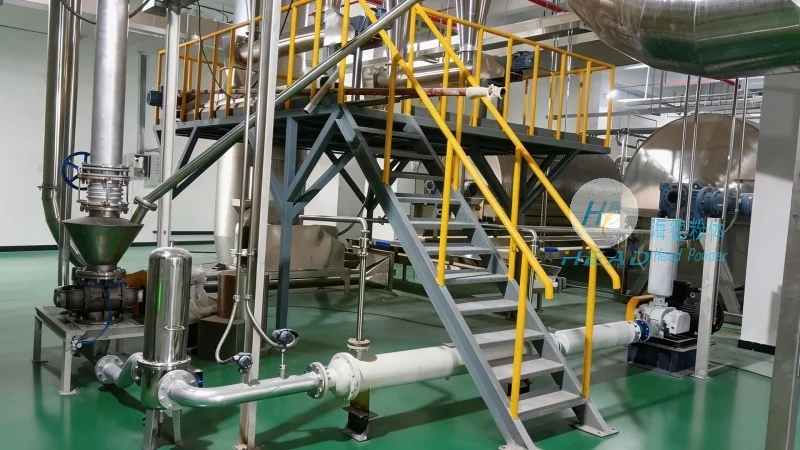
HeadPowder understands that each industrial application has unique requirements, and therefore, offers customized pneumatic conveying solutions for artificial graphite materials. The company works closely with clients to assess their specific needs, including material characteristics, production capacity, and operational constraints. Based on this assessment, the system design is tailored to ensure optimal performance and efficiency. Customization may include adjustments to the conveying velocity, pipeline diameter, or the type of filter system to suit the specific properties of the artificial graphite. Additionally, the equipment can be integrated with existing production lines, allowing for seamless operation and minimal disruption to current processes. This integration capability is particularly valuable for companies looking to upgrade their material handling systems without replacing entire production lines. HeadPowder's expertise in system integration ensures that the new pneumatic conveying equipment works in harmony with existing machinery, maximizing overall operational efficiency.