

Operation Process and Working Principle of Mobile Pneumatic Conveying Systems
Mobile pneumatic conveying systems are advanced industrial solutions designed to efficiently transport bulk materials from one location to another using compressed air. These systems are particularly valuable in industries such as food processing, pharmaceuticals, and chemical manufacturing, where material handling needs to be clean, hygienic, and efficient. The operation of these systems involves several key components and steps that work in concert to ensure smooth material transfer.
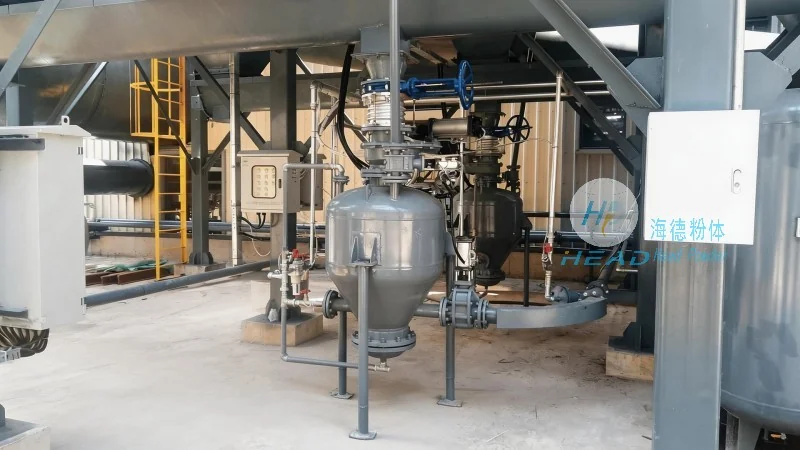
Key Components of Mobile Pneumatic Conveying Systems
At the core of a mobile pneumatic conveying system are several essential components that enable its functionality. The primary components include a material hopper or feeder, a compressed air source (typically an air compressor), a conveying line (usually made of flexible or rigid tubing), and a discharge point or receiver. Additionally, systems may incorporate accessories like filters, cyclones, and vacuum pumps depending on the specific application and material characteristics.
Company Introduction: Shandong HeadPowder Engineering Co., Ltd.
HeadPowder, a leading manufacturer based in Shandong, China, specializes in the design, development, and production of high-quality pneumatic conveying equipment. With a strong commitment to innovation and customer satisfaction, the company has established itself as a trusted partner for businesses seeking reliable material handling solutions. HeadPowder's expertise lies in creating customized mobile pneumatic systems tailored to meet the unique demands of various industries, ensuring optimal performance and durability.
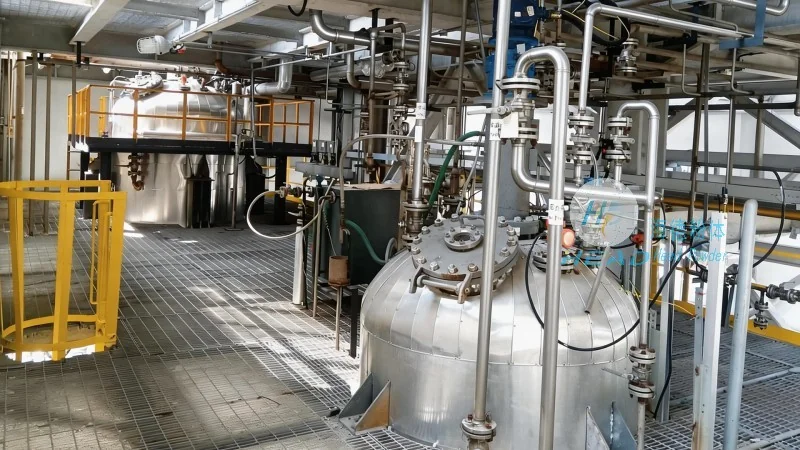
The Operation Process of Mobile Pneumatic Conveying Systems
The operation process of a mobile pneumatic conveying system begins with the loading of bulk material into the hopper. The material is then fed into the conveying line through the use of an air stream generated by the compressor. As the compressed air flows through the line, it creates a pressure differential that propels the material forward. The system typically operates under either positive pressure (where air pushes the material) or negative pressure (where air pulls the material), depending on the specific design and application requirements.
Working Principle: How Mobile Pneumatic Conveying Systems Function
The working principle of mobile pneumatic conveying systems revolves around the interaction between compressed air and bulk materials. In positive pressure systems, the air compressor supplies high-pressure air that is introduced into the hopper, creating a pressure that forces the material through the conveying line. The air then carries the material to the discharge point, where it is released under controlled conditions. In negative pressure systems, a vacuum pump creates a low-pressure environment that draws material from the hopper into the line. The air flow then transports the material to the receiver, where it is collected. Both systems rely on the principle of fluidization, where the air flow suspends the material particles, allowing them to be moved efficiently without direct contact with the conveying line.
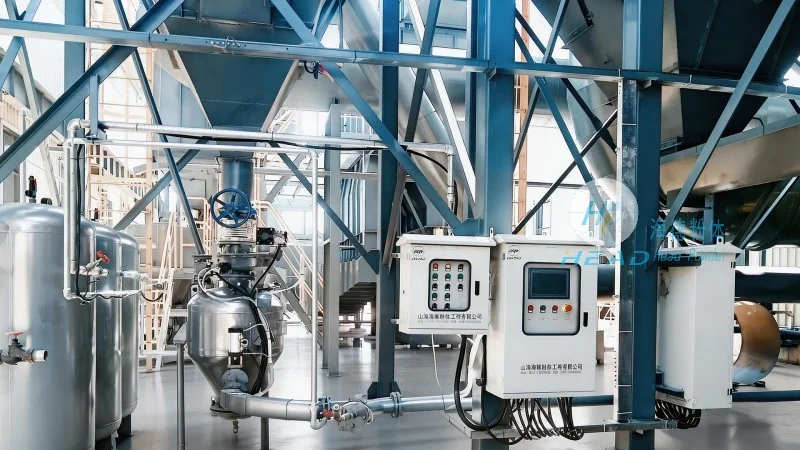
Advantages of Mobile Pneumatic Conveying Systems
Mobile pneumatic conveying systems offer numerous advantages over traditional material handling methods. These include the ability to transport materials over long distances, the capability to handle a wide range of materials (from fine powders to granules), and the maintenance of a clean and hygienic environment, which is critical in industries like food and pharmaceuticals. Additionally, these systems are flexible and can be easily reconfigured or moved to different locations as needed, making them ideal for mobile or temporary operations.
Applications and Industries
Mobile pneumatic conveying systems are widely used across various industries. In the food industry, they are employed to transport ingredients such as flour, sugar, and spices, ensuring a clean and efficient process. In the pharmaceutical sector, these systems are used to handle active pharmaceutical ingredients (APIs) and other sensitive materials, maintaining strict contamination control. The chemical industry also utilizes mobile pneumatic systems for transporting powders and granules, while the agricultural sector may use them for handling bulk crops or feed. The versatility of these systems makes them suitable for a broad range of applications, from small-scale operations to large industrial facilities.
Customization and Integration
HeadPowder recognizes that each industrial application has unique requirements. Therefore, the company offers customized mobile pneumatic conveying systems that can be tailored to specific material characteristics, operational needs, and space constraints. This includes the selection of appropriate air compressor types, conveying line materials (such as stainless steel or PVC), and accessories like filters and cyclones. The integration of these systems into existing production lines is also a key service provided by HeadPowder, ensuring seamless operation and minimal disruption to the production process.
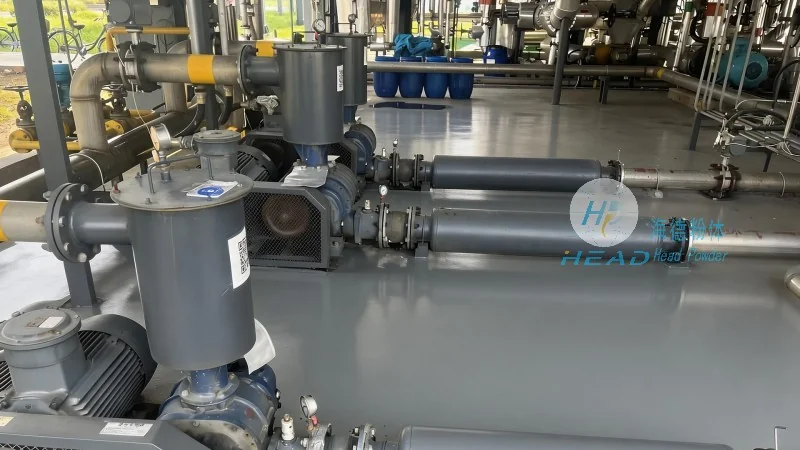
Maintenance and Reliability
Ensuring the long-term performance and reliability of mobile pneumatic conveying systems is crucial. HeadPowder emphasizes the importance of regular maintenance to prevent system failures and optimize efficiency. This includes routine checks of air compressor performance, cleaning of filters and cyclones, and inspection of conveying lines for any signs of wear or damage. By adhering to proper maintenance procedures, users can extend the lifespan of their equipment and maintain consistent material transfer rates.
Conclusion
Mobile pneumatic conveying systems represent a sophisticated and efficient solution for bulk material handling. With their ability to transport materials cleanly, hygienically, and over long distances, these systems are indispensable in modern industrial operations. HeadPowder, with its expertise and commitment to quality, continues to provide reliable and customized solutions that meet the evolving needs of various industries. By understanding the operation process and working principles of these systems, businesses can make informed decisions about implementing effective material handling strategies.