

The Operation Process and Working Principle of Molybdenum Trioxide Pneumatic Conveying
Molybdenum trioxide (MoO₃) is a critical industrial material widely used in various applications, including catalysts, pigments, and electronic components. The efficient handling and transportation of MoO₃ are essential for maintaining production efficiency and product quality. Pneumatic conveying is a widely adopted method for transporting such powders, offering advantages like low maintenance, minimal product contamination, and the ability to handle a wide range of particle sizes. This article provides an in-depth look at the operation process and working principle of molybdenum trioxide pneumatic conveying systems.
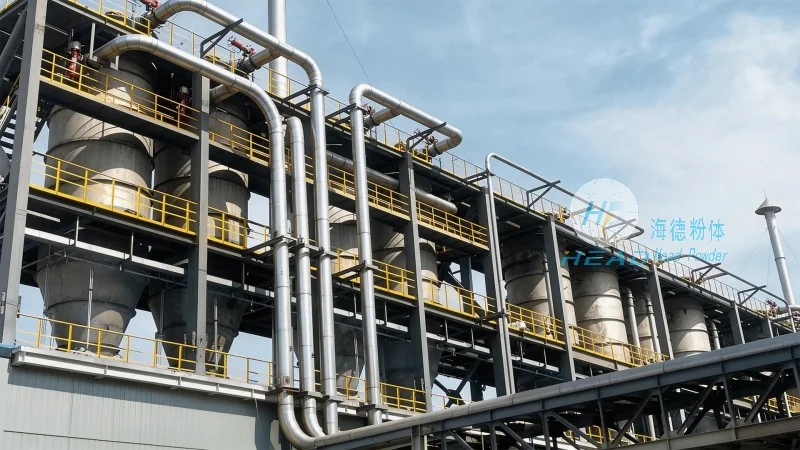
Company Profile: Shandong HeadPowder Engineering Co., Ltd.
HeadPowder, as the company name suggests, specializes in powder engineering solutions. With a focus on advanced material handling technologies, the company has established itself as a leader in the field of pneumatic conveying systems. Based in Shandong, China, HeadPowder leverages its expertise to design, manufacture, and implement customized solutions tailored to the specific needs of clients in the chemical, pharmaceutical, and industrial sectors. The company's commitment to quality and innovation ensures that its systems meet the highest standards of performance and reliability.
The Working Principle of Pneumatic Conveying
Pneumatic conveying systems operate by using air or other gases to transport bulk materials through a pipeline. The process involves several key components and steps. First, the material is fed into a hopper or feeder, where it is then introduced into the conveying line. A fan or blower generates the necessary air flow, which creates a pressure differential that propels the material forward. The conveying system can be either positive pressure (where air is blown into the line) or negative pressure (where air is drawn out). For molybdenum trioxide, a positive pressure system is often preferred due to its ability to handle fine powders and prevent product degradation. The system typically includes a series of pipes, bends, and control valves that ensure the material is transported smoothly and without blockages.
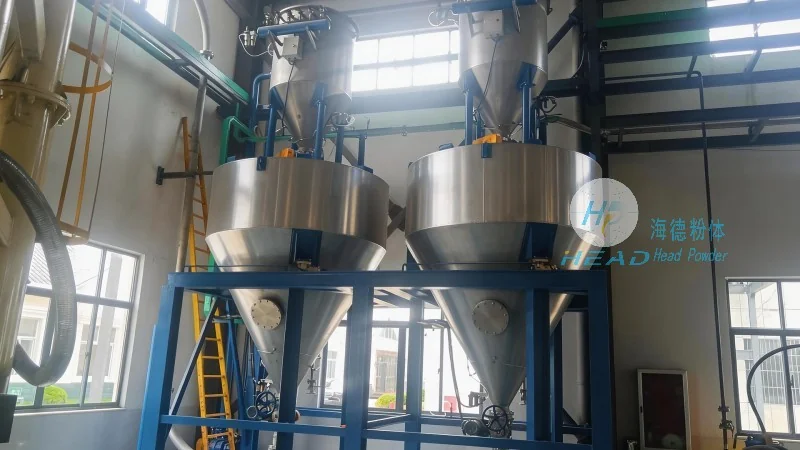
Operation Process of Molybdenum Trioxide Pneumatic Conveying
The operation process of a molybdenum trioxide pneumatic conveying system involves several stages, each critical to the overall efficiency and safety of the system. The first stage is material preparation, where the MoO₃ powder is stored in a silo or hopper. The material is then fed into the conveying line via a rotary valve or feeder, which controls the flow rate. The air flow is then adjusted to match the material's characteristics, ensuring that the powder is fully suspended and transported without settling. The conveying line may include a series of sections, such as horizontal and vertical runs, with appropriate fittings to maintain the material's velocity. At the receiving end, the material is deposited into a container or storage tank. The system also includes safety features, such as pressure relief valves and dust collection systems, to prevent accidents and maintain air quality.
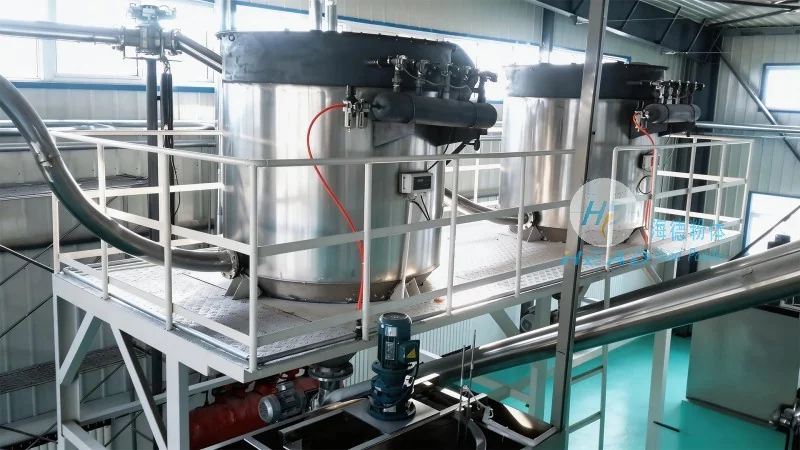
Key Components and Their Functions
Several key components are integral to the effective operation of a molybdenum trioxide pneumatic conveying system. The blower or fan is the primary source of air, providing the necessary pressure and flow rate. The feeder or hopper ensures a consistent material feed, preventing blockages and maintaining system stability. The conveying pipes are typically made of materials resistant to corrosion and abrasion, such as stainless steel or polyethylene, to withstand the harsh conditions of MoO₃ handling. Control valves, such as butterfly or gate valves, are used to regulate the air flow and material discharge. Additionally, a dust collection system is often integrated to capture any fine particles that may escape, ensuring compliance with environmental regulations and maintaining workplace safety.
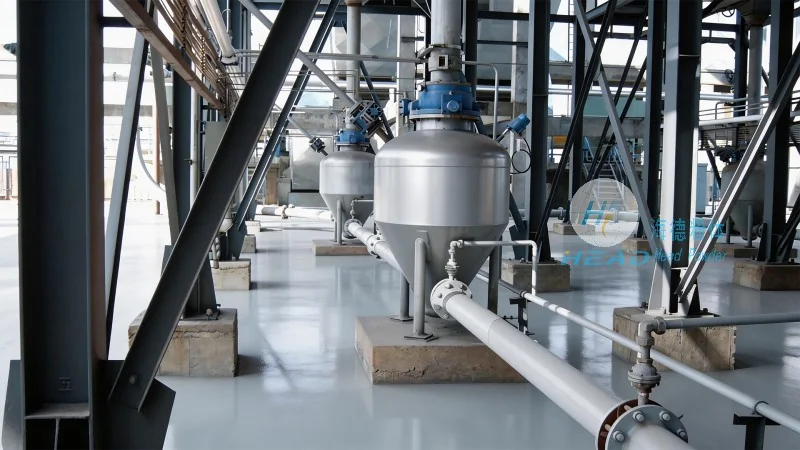
Advantages of Pneumatic Conveying for Molybdenum Trioxide
Pneumatic conveying offers several advantages when handling molybdenum trioxide. Unlike mechanical conveying systems, which can cause product degradation through friction and impact, pneumatic systems minimize these risks. The enclosed pipeline prevents contamination from external sources and maintains the purity of the material. The system also allows for easy integration with other processing equipment, such as mixing or packaging units. Furthermore, pneumatic conveying can handle a wide range of particle sizes and flow rates, making it versatile for various production needs. The low maintenance requirements and ability to operate in different environments (indoors or outdoors) also contribute to its popularity in industrial applications.
Conclusion
Molybdenum trioxide pneumatic conveying is a highly effective method for transporting this critical industrial material. By understanding the operation process and working principle, industries can optimize their material handling systems to improve efficiency, reduce costs, and enhance product quality. With the expertise of companies like Shandong HeadPowder Engineering Co., Ltd., businesses can implement reliable and efficient pneumatic conveying solutions tailored to their specific requirements. The continuous advancement of technology in this field ensures that future systems will be even more efficient and sustainable, supporting the growth of industries that rely on molybdenum trioxide.