

Operating Process and Working Principle of Thermoplastic Polyurethane Powder Conveying
Thermoplastic polyurethane (TPU) is a versatile polymer known for its excellent flexibility, abrasion resistance, and chemical stability. When processed as a powder, TPU is widely used in various industrial applications, including automotive parts, footwear, and medical devices. Efficient and reliable powder conveying is crucial for maintaining product quality and operational efficiency in TPU processing lines. This article explores the operating process and working principle of thermoplastic polyurethane powder conveying systems, highlighting key components, operational mechanisms, and practical considerations for effective material handling.
Key Components of the Powder Conveying System
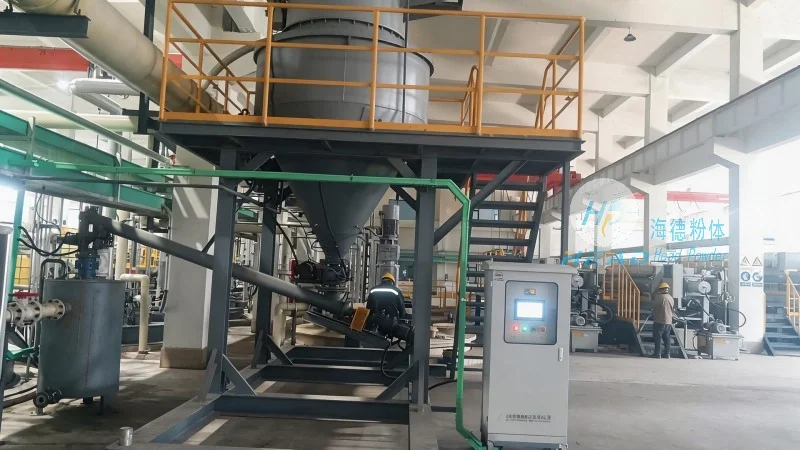
The thermoplastic polyurethane powder conveying system typically consists of several critical components that work in tandem to ensure smooth material transport. The primary components include a hopper for material storage, a rotary valve or feeder for controlled discharge, a conveying pipeline (often with air or mechanical means), and a receiving hopper or processing unit. Each component plays a vital role in maintaining the integrity of the TPU powder and preventing issues such as caking or degradation.
Operating Process of the Powder Conveying System
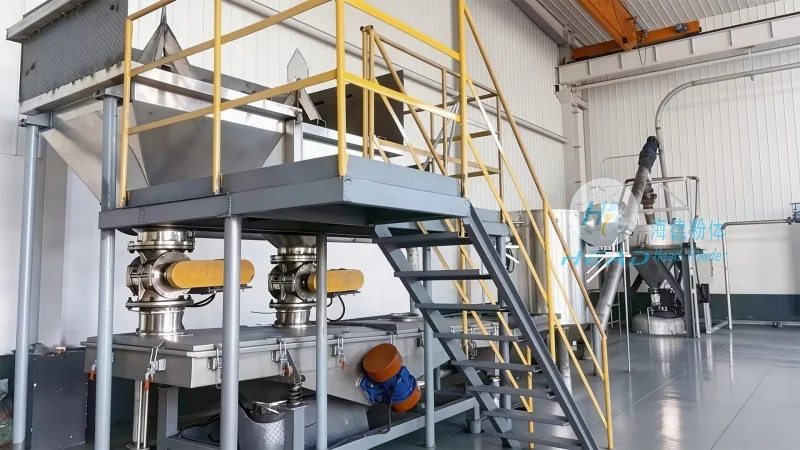
The operation of a thermoplastic polyurethane powder conveying system follows a systematic sequence to ensure consistent and controlled material flow. The process begins with the loading of TPU powder into the storage hopper. The hopper is designed with a sloped bottom to facilitate gravity-assisted flow. A rotary valve or screw feeder is then activated to regulate the discharge rate of the powder from the hopper. This controlled discharge is essential to prevent overloading the conveying system and to maintain a steady flow rate. The powder then enters the conveying pipeline, where it is transported to the receiving hopper or processing equipment. The conveying method—whether pneumatic (air-assisted) or mechanical (screw or auger)—determines the efficiency and suitability for different TPU powder characteristics.
Working Principle of the Conveying Mechanism
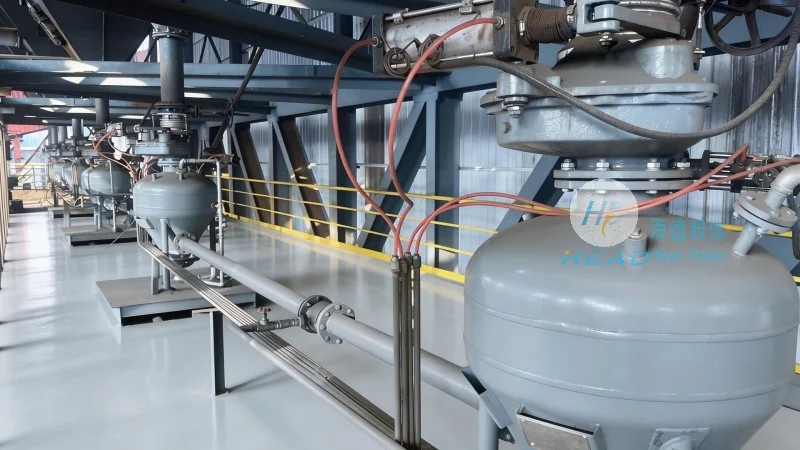
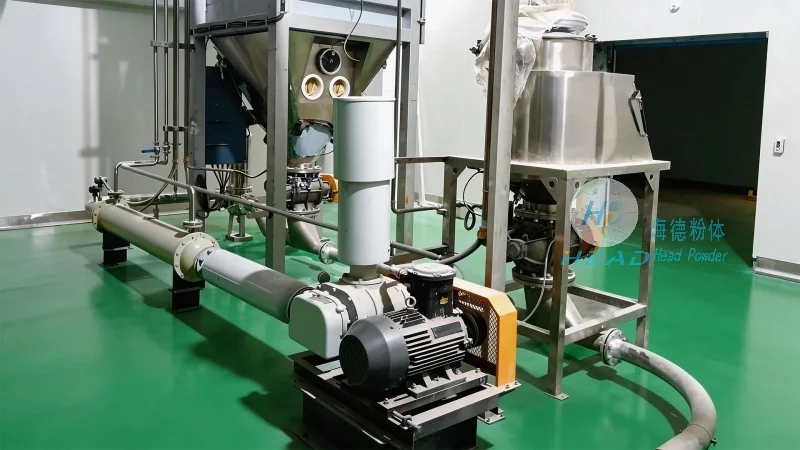
The working principle of the thermoplastic polyurethane powder conveying system is based on the principles of fluidization and air movement for pneumatic systems, or mechanical displacement for screw/ auger systems. In pneumatic conveying, compressed air is introduced into the conveying pipeline, creating a flow that lifts and transports the TPU powder particles. The air velocity is carefully controlled to ensure that the powder remains suspended without causing excessive wear or degradation. The pressure differential between the hopper and the receiving end drives the material forward. In mechanical conveying systems, a rotating screw or auger pushes the powder through the pipeline, relying on the mechanical force to move the material. Both methods are designed to handle the specific properties of TPU powder, such as its fine particle size and potential for static charge buildup, which can affect flow characteristics.
Ensuring Material Integrity and Process Efficiency
During the powder conveying process, maintaining the integrity of thermoplastic polyurethane powder is paramount. TPU is sensitive to moisture and temperature changes, which can affect its mechanical properties. The conveying system must be designed to minimize exposure to these factors. For example, the hopper and pipeline are often insulated to prevent heat transfer, and moisture-proofing measures are implemented to avoid humidity-related issues. Additionally, the system may include static control devices, such as grounding or ionizers, to prevent static buildup that could cause powder accumulation or discharge problems. Proper maintenance of the conveying components, including regular cleaning and inspection of the rotary valve and pipeline, is also crucial to ensure consistent performance and prevent downtime.
Applications and Benefits of TPU Powder Conveying
The efficient conveying of thermoplastic polyurethane powder is essential for various industrial applications. In the automotive industry, TPU is used to manufacture flexible parts like seat cushions and interior components. The conveying system ensures that the powder is delivered to the injection molding or extrusion equipment without contamination or degradation. In the footwear industry, TPU is used for sole materials, and the conveying process supports consistent quality in the final product. The benefits of a well-designed TPU powder conveying system include improved production throughput, reduced material waste, and enhanced product quality. By maintaining a stable flow rate and preventing agglomeration, the system contributes to cost savings and operational reliability.
Conclusion
Thermoplastic polyurethane powder conveying systems are critical components in the processing of TPU materials, ensuring efficient and reliable material handling. The operating process involves careful control of material flow from storage to processing, while the working principle relies on either pneumatic or mechanical mechanisms to transport the powder. By understanding the key components, operational steps, and maintenance considerations, manufacturers can optimize their TPU processing lines for improved efficiency and product quality. As a leading provider of powder handling solutions, Shandong HeadPowder Engineering Co., Ltd. specializes in designing and manufacturing tailored conveying systems that meet the specific needs of TPU applications, ensuring consistent performance and operational excellence.