

Operation Process and Working Principle of Nitrogen Circulation Powder Conveying System
Shandong HeadPowder Engineering Co., Ltd., commonly known as headpowder, is a professional manufacturer specializing in powder handling solutions. The company is located in Shandong, China, and has been dedicated to providing advanced and efficient conveying systems for various industrial applications. This article will introduce the operation process and working principle of the nitrogen circulation powder conveying system, a key product offered by headpowder.
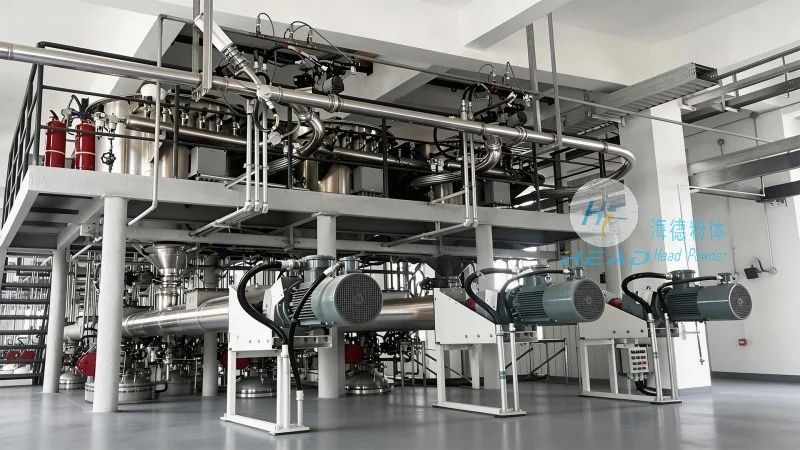
Overview of the Nitrogen Circulation Powder Conveying System
The nitrogen circulation powder conveying system is a specialized equipment designed to transport dry powders or bulk materials in a sealed environment. It utilizes nitrogen gas as the carrier medium to create a positive pressure or negative pressure conveying system, ensuring the material is transported without exposure to air, which is crucial for preventing oxidation, moisture absorption, or contamination. This system is widely used in industries such as pharmaceuticals, food processing, chemicals, and electronics, where maintaining the purity and quality of the conveyed materials is paramount.
Key Components of the System
The nitrogen circulation powder conveying system consists of several core components that work in tandem to achieve efficient and reliable material transport. These components include a hopper or feeder for material input, a nitrogen gas source (usually a compressor or gas cylinder), a conveying line (often made of stainless steel or PTFE to ensure chemical resistance), a control system for pressure and flow regulation, and a discharge unit for material output. Each component is carefully designed to meet the specific requirements of the application, ensuring durability and performance under various operating conditions.
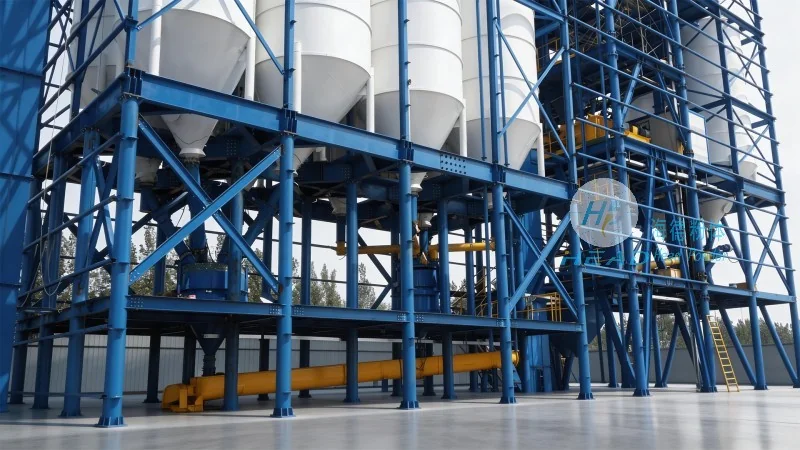
Operation Process of the System
The operation process of the nitrogen circulation powder conveying system involves several sequential steps to ensure smooth and continuous material transport. First, the dry powder material is fed into the hopper or feeder from the storage silo. The material is then drawn into the conveying line by the nitrogen gas, which is introduced at a controlled pressure. The nitrogen gas, acting as a carrier, moves the powder through the pipeline to the discharge point. The control system continuously monitors the pressure and flow rate, adjusting the gas supply as needed to maintain optimal conveying conditions. The material is discharged at the end of the line, where it can be further processed or packaged. This process is typically automated, with the system operating continuously without the need for manual intervention once started.
Working Principle of the System
The working principle of the nitrogen circulation powder conveying system is based on the principle of fluidization and gas-solid flow. When nitrogen gas is introduced into the conveying line at a sufficient velocity, it creates a fluidized bed within the pipeline, allowing the powder particles to be suspended and transported as a gas-solid mixture. The key to the system's efficiency is the balance between the gas velocity and the particle size and density of the material. If the gas velocity is too low, the powder may settle and cause blockages; if it is too high, excessive energy consumption and particle attrition may occur. The system's control system is designed to maintain this optimal balance, ensuring consistent conveying performance. Additionally, the sealed environment created by the nitrogen gas prevents the material from coming into contact with air, which is essential for maintaining its quality and preventing contamination.
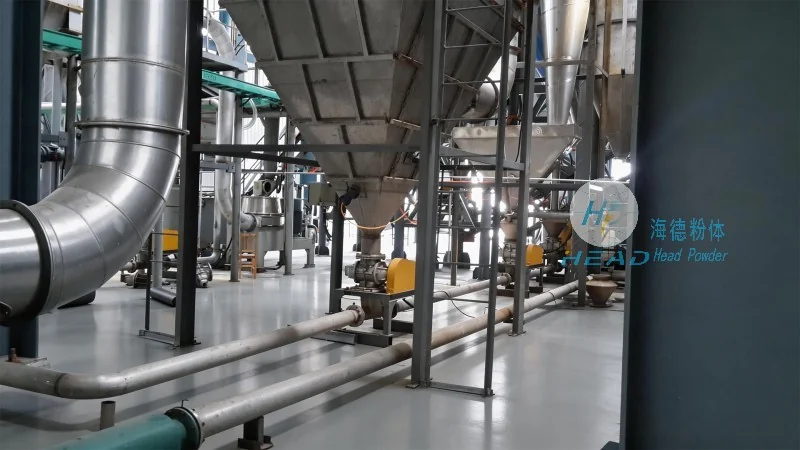
Advantages and Applications
The nitrogen circulation powder conveying system offers several advantages over traditional conveying methods, making it a preferred choice for industries that require high-purity and low-contamination material transport. The primary advantages include the ability to transport materials in a sealed environment, preventing oxidation and moisture absorption; the reduction of dust emissions and environmental pollution; and the improved safety due to the absence of open-air handling. The system is particularly suitable for transporting sensitive materials such as pharmaceutical powders, food additives, and fine chemicals, where even trace amounts of contamination can have significant impacts on product quality and safety. In addition, the system's flexibility allows it to be customized to meet the specific needs of different applications, including varying material types, conveying distances, and flow rates.
Conclusion
Shandong HeadPowder Engineering Co., Ltd. provides the nitrogen circulation powder conveying system as a reliable and efficient solution for industrial powder handling. By understanding the operation process and working principle of this system, users can appreciate its benefits and choose the appropriate configuration for their specific applications. The system's design and functionality ensure consistent performance, high material quality, and operational safety, making it an essential component in modern industrial processes.