

Operation Process and Working Principle of Powder Material Conveying for Lithium-Ion Battery Raw Mat
Shandong HeadPowder Engineering Co., Ltd., based in Shandong, China, specializes in the development and implementation of advanced powder material conveying systems for the lithium-ion battery industry. These systems are essential for efficiently handling raw materials such as lithium compounds, cobalt, nickel, and other critical components used in battery production. The following content details the operational process and working principles of these systems, highlighting their role in ensuring consistent and reliable material flow within battery manufacturing facilities.
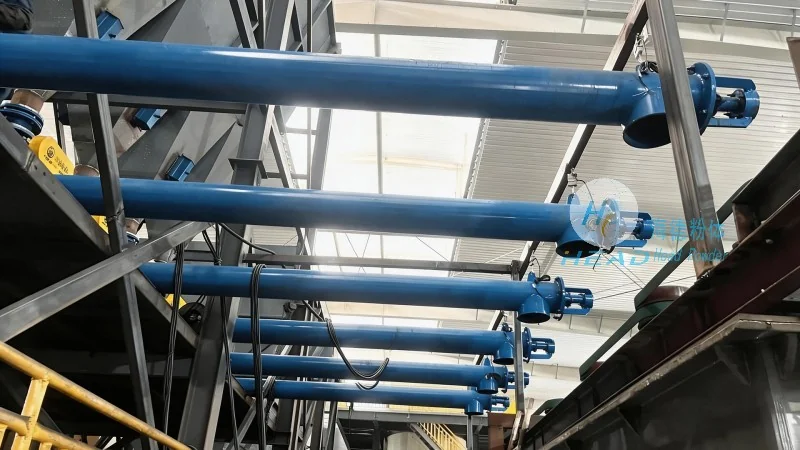
Overview of Powder Material Conveying Systems for Lithium-Ion Batteries
Powder material conveying systems for lithium-ion battery raw materials are engineered to transport fine powders and granules from storage silos or bulk containers to processing equipment. The primary objectives are to maintain material integrity, minimize dust generation, and ensure precise control over flow rates. These systems typically integrate multiple components, including feeders, conveyors, dust collection units, and control panels, all working in unison to achieve seamless material transfer.
Key Components and Their Functions
1. Material Storage and Feeding: The process starts with raw materials stored in bulk containers or silos. A rotary valve or a screw feeder regulates the discharge of material from the storage vessel, ensuring a consistent flow rate by controlling the amount entering the conveying system and preventing overloading or underflow.
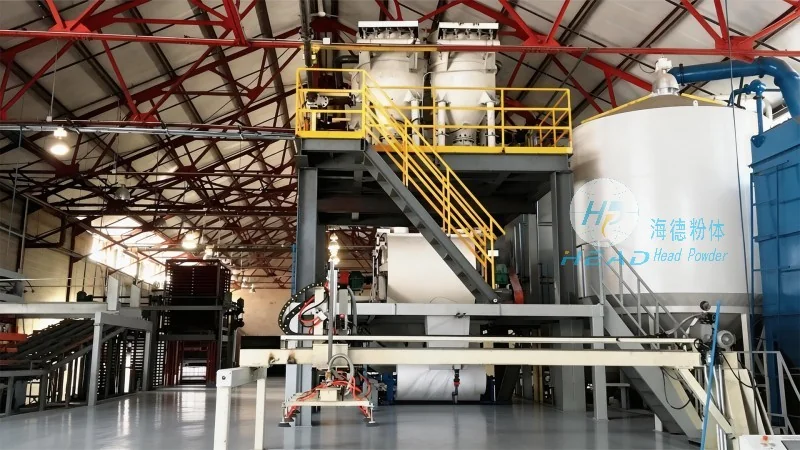
2. Conveying Mechanism: Depending on material properties and plant layout, different conveying methods are employed. Common options include pneumatic (air-assisted) conveying, mechanical screw conveyors, and bucket elevators. Pneumatic systems are particularly effective for fine powders, as they can transport materials over long distances with minimal particle degradation. Mechanical conveyors, such as screw or belt conveyors, are suitable for bulkier or more abrasive materials, providing reliable and low-maintenance operation.
3. Dust Collection and Filtration: To maintain a clean and safe environment, dust collection systems are integrated. These systems use cyclones or bag filters to capture airborne particles, preventing contamination of the material and protecting personnel from respiratory hazards. The collected dust is often returned to the material stream or disposed of per regulations.
4. Control and Monitoring: Advanced control panels with sensors and programmable logic controllers (PLCs) manage the entire conveying operation. Real-time monitoring of flow rates, pressure, and temperature allows operators to adjust parameters dynamically, ensuring optimal performance and preventing system failures. This automation enhances efficiency and reduces the risk of material loss or contamination.
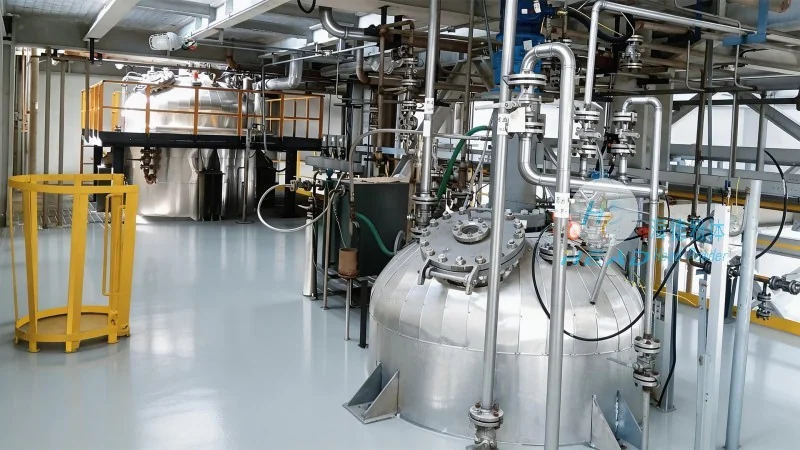
Operational Process Flow
The operational process of a powder material conveying system for lithium-ion battery raw materials follows a systematic sequence:
- Material Loading: Raw materials are loaded into bulk containers or silos. The system is then activated to begin conveying.
- Feeding and Metering: The rotary valve or screw feeder regulates material discharge from the storage vessel, ensuring steady flow into the conveying line.
- Conveying: The material is transported through the conveying mechanism (e.g., pneumatic or mechanical) to processing equipment or intermediate storage.
- Dust Control: As material moves, dust is captured by the dust collection unit, maintaining air quality and preventing material loss.
- Discharge and Integration: The material is discharged into the next processing stage, such as a mixer or charging unit, for further processing into battery components.
Working Principle of the Conveying System
The working principle of a typical powder material conveying system for lithium-ion battery raw materials is based on transferring material from a source to a destination using mechanical or pneumatic forces. The system operates by creating a pressure differential or applying mechanical force to move the material through the conveying line. For pneumatic systems, compressed air generates airflow that carries powder particles, while mechanical systems rely on rotating components (e.g., screws or belts) to push material forward.
Material flow is controlled by adjusting the feeder speed, air pressure in pneumatic systems, or mechanical component rotation speed. This allows precise control over the amount of material conveyed, critical for maintaining consistent battery production rates and preventing downstream equipment overloading.
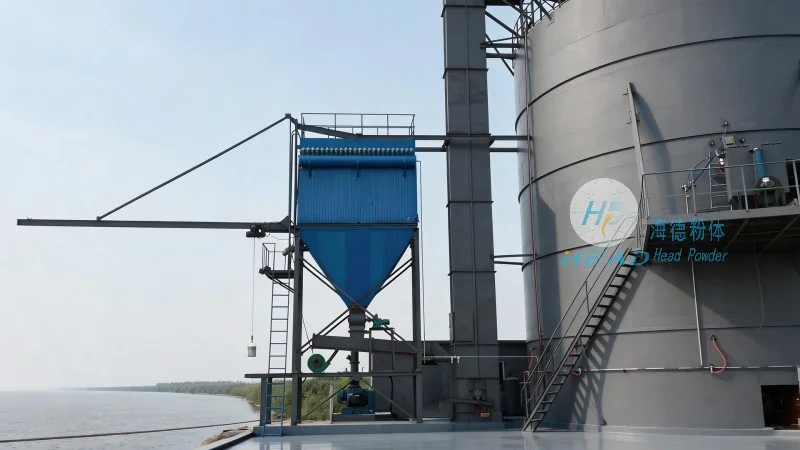
Benefits and Advantages of Advanced Powder Conveying Systems
Implementing advanced powder material conveying systems for lithium-ion battery raw materials offers several key benefits:
- Enhanced Efficiency: Automated control and precise metering reduce material waste and improve overall production throughput.
- Improved Material Integrity: Minimized dust generation and controlled flow rates preserve raw material quality and ensure consistent battery performance.
- Reduced Labor and Maintenance: Integrated systems with automated controls require less manual intervention, lowering labor costs and reducing human error risks.
- Compliance with Safety Standards: Dust collection and containment measures help meet environmental and occupational safety regulations, creating a safer working environment.
Conclusion
Shandong HeadPowder Engineering Co., Ltd. provides comprehensive solutions for powder material conveying systems tailored to the lithium-ion battery industry. By understanding the operational process and working principles of these systems, manufacturers can optimize material flow, enhance production efficiency, and ensure the quality of battery components. The integration of advanced technology and robust design in these systems is essential for meeting the growing demands of the battery market and maintaining a competitive edge in the industry.