

Operation Process and Working Principle of Arsenic Trioxide Powder Conveying
For industries dealing with arsenic trioxide powder, efficient and safe conveying systems are crucial to ensure smooth production operations and maintain product quality. This article provides an in-depth look at the operation process and working principle of arsenic trioxide powder conveying systems, with a focus on the expertise of Shandong HeadPowder Engineering Co., Ltd., a leading provider in the field.
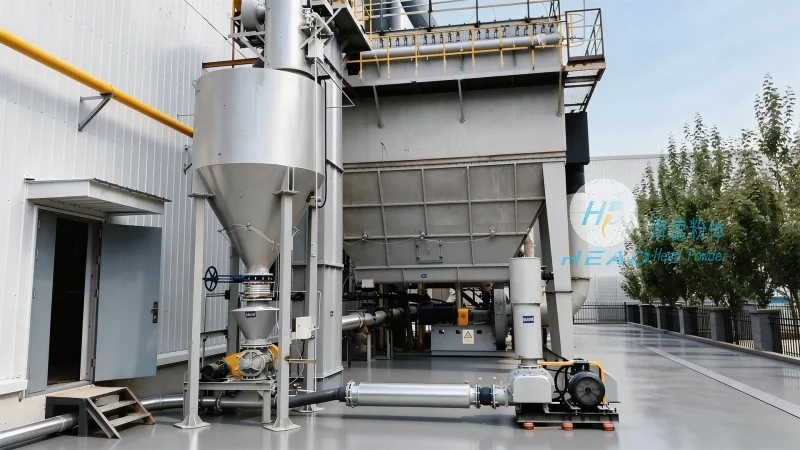
Company Introduction: HeadPowder
Shandong HeadPowder Engineering Co., Ltd., commonly known as HeadPowder, is a professional manufacturer and supplier specializing in powder handling solutions. HeadPowder has established itself as a trusted partner in the industry, offering tailored conveying systems that meet the specific needs of clients. With a strong commitment to quality and innovation, HeadPowder provides reliable equipment for the safe and efficient transport of hazardous powders like arsenic trioxide.
Overview of Arsenic Trioxide Powder Conveying
Arsenic trioxide, a toxic and hazardous material, requires specialized handling to prevent contamination and ensure worker safety. The conveying process involves several key steps and components designed to manage the material's properties effectively. The system typically includes feeders, conveyors, and control mechanisms that work in tandem to move the powder from one location to another within a production facility.
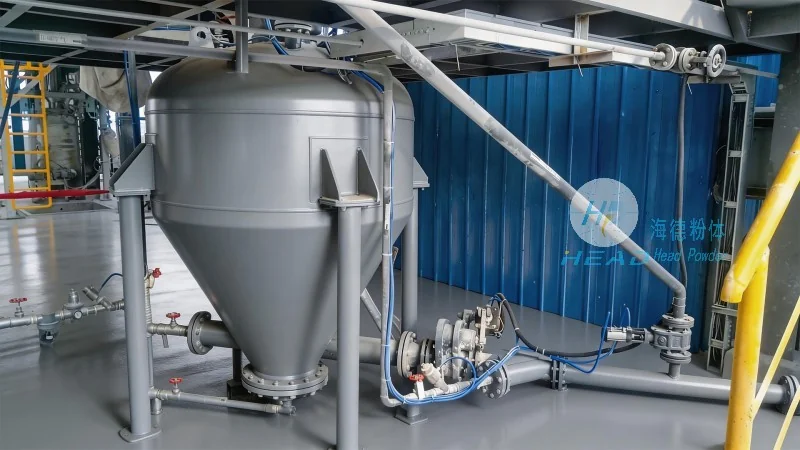
Key Components in the Conveying System
The operation of an arsenic trioxide powder conveying system relies on a combination of components that ensure the material is handled safely and efficiently. These components include:
- Pneumatic Conveyors: Often used for arsenic trioxide due to their ability to handle fine powders and minimize dust exposure. Pneumatic systems use air pressure to transport the powder through a pipeline, reducing the risk of dust dispersion.
- Rotary Valves: Used as feeders to control the flow of powder into the conveying line. These valves ensure a consistent and controlled feed rate, preventing blockages and maintaining system efficiency.
- Filter Systems: Essential for capturing any airborne particles and preventing contamination of the environment. High-efficiency filters are typically employed to meet safety and regulatory standards.
- Control Panels: Provide operators with real-time monitoring and control of the conveying process, allowing adjustments to be made as needed to maintain optimal performance.
Operation Process of the Conveying System
The operation process of an arsenic trioxide powder conveying system begins with the material being fed into the system from a storage silo or hopper. The rotary valve regulates the flow rate, ensuring a steady supply of powder into the pneumatic conveyor. Compressed air then propels the powder through the pipeline, transporting it to the destination point, such as a processing unit or storage container.
During the conveying process, the system continuously monitors pressure, flow rate, and other parameters to ensure smooth operation. Any deviations are immediately detected and corrected by the control panel, preventing system failures or material loss. The filter system captures any fine particles that may escape, maintaining air quality and compliance with safety regulations.
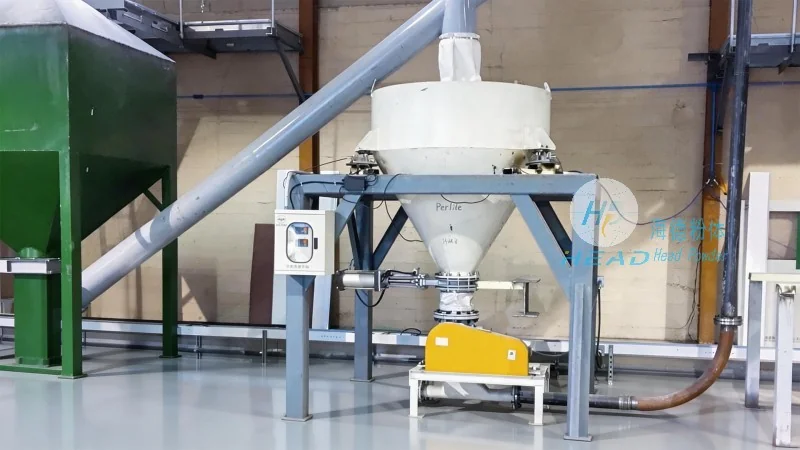
Working Principle of the Conveying Mechanism
The working principle of an arsenic trioxide powder conveying system is based on the principles of fluid dynamics and particle transport. Pneumatic conveyors use air as the medium to move the powder, leveraging the pressure difference between the inlet and outlet of the pipeline. The powder particles are suspended in the air stream, allowing them to be transported over long distances without the need for mechanical components that could cause contamination or wear.
The rotary valve acts as a controlled gate, regulating the amount of powder entering the conveyor. This ensures that the air flow is sufficient to carry the material without causing excessive pressure drops or blockages. The filter system is integrated to capture any fine particles that may be carried by the air stream, preventing them from being released into the environment.
Safety and Compliance Considerations
Handling arsenic trioxide requires strict adherence to safety protocols and regulatory standards. The conveying system is designed with safety features such as explosion-proof components, dust collection systems, and emergency shut-off valves. These measures help to minimize the risk of accidents and ensure compliance with environmental and occupational health regulations.
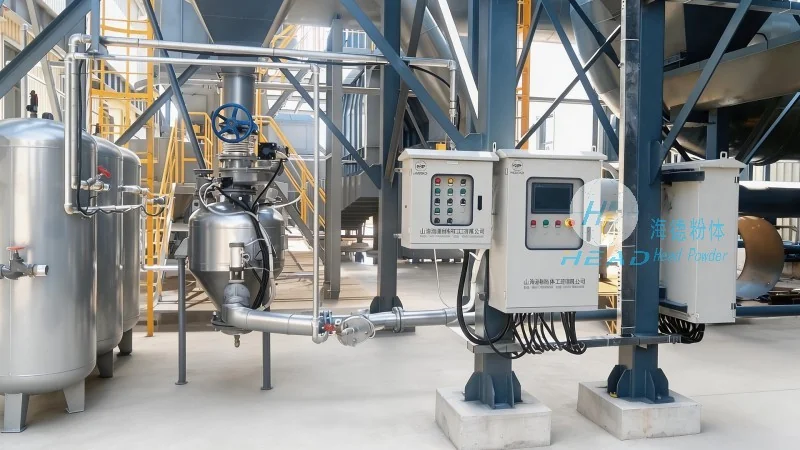
HeadPowder's expertise in designing and manufacturing conveying systems for hazardous materials ensures that all safety requirements are met. The company follows industry best practices and adheres to international standards, providing clients with reliable and compliant solutions.
Conclusion
The operation process and working principle of arsenic trioxide powder conveying systems are critical to the efficient and safe handling of this hazardous material. With advanced technology and a commitment to quality, Shandong HeadPowder Engineering Co., Ltd. offers comprehensive solutions that meet the needs of industries dealing with arsenic trioxide. By understanding the key components and operation process, clients can ensure the reliable and safe transport of their materials, enhancing overall production efficiency and safety.