

Operation Process and Working Principle of Ammonia Fertilizer Powder Conveying System
Ammonia fertilizer, a critical component in modern agricultural practices, requires efficient and reliable powder conveying systems to ensure optimal distribution and application. The operation process and working principle of such systems are essential for understanding their functionality and effectiveness in industrial settings. This article provides a detailed overview of the key aspects involved in the operation of ammonia fertilizer powder conveying systems, highlighting the technology and processes that enable smooth and safe material handling.
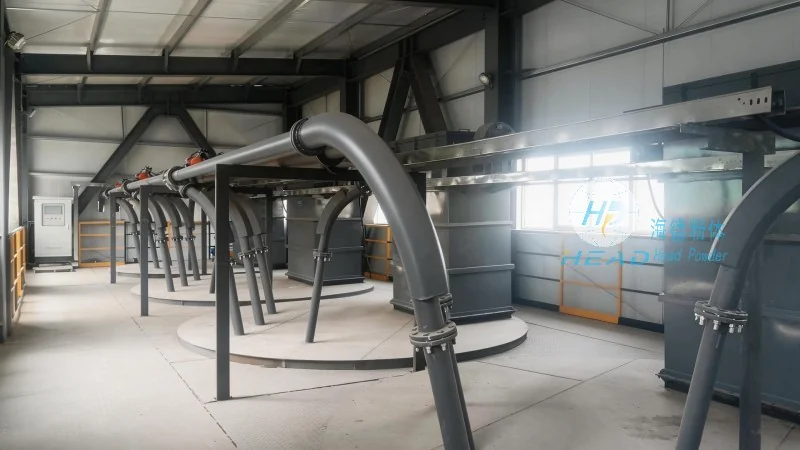
Company Profile: Shandong HeadPowder Engineering Co., Ltd.
HeadPowder, the manufacturer behind these advanced conveying solutions, is a leading company in the field of powder handling technology. Based in Shandong, China, HeadPowder specializes in designing and manufacturing high-performance systems tailored to the specific needs of the fertilizer industry. With a strong commitment to quality and innovation, the company has established itself as a trusted partner for businesses seeking reliable and efficient powder conveying equipment.
Key Components and System Overview
The ammonia fertilizer powder conveying system typically consists of several critical components that work in tandem to ensure seamless material transport. These components include feed hoppers, conveyor lines (such as pneumatic or mechanical systems), control panels, and safety mechanisms. The system is engineered to handle the unique properties of ammonia fertilizer, including its fine particle size, hygroscopic nature, and potential for dust generation. Each component is designed to address specific challenges, ensuring that the material is conveyed safely and efficiently from storage to processing or application points.
Operation Process: Step-by-Step Breakdown
The operation of the ammonia fertilizer powder conveying system follows a systematic process that begins with material loading and ends with precise discharge. The process can be broken down into the following key stages:
1. **Material Loading**: The system starts with the loading of ammonia fertilizer into the feed hopper. The hopper is designed to accommodate bulk quantities of the material, ensuring a consistent supply for the conveying process. Proper sealing and ventilation are critical to prevent dust accumulation and maintain material integrity.
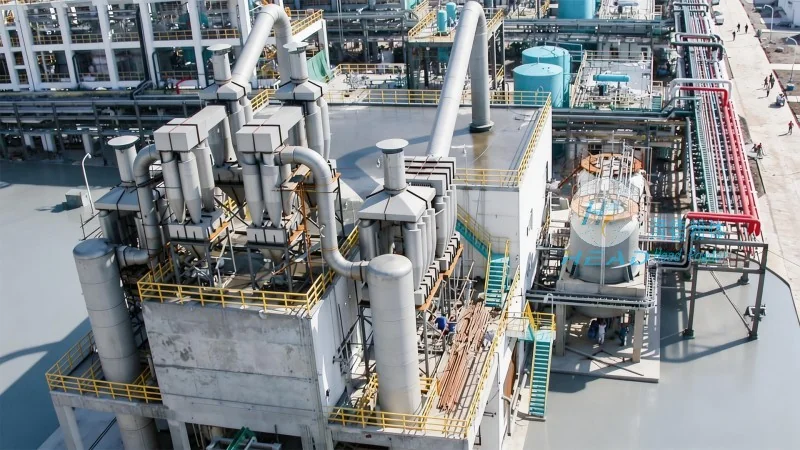
2. **Air or Mechanical Conveying**: Depending on the system design, the material is either conveyed pneumatically (using air pressure) or mechanically (using screw conveyors, belt conveyors, or other mechanical means). Pneumatic systems are often preferred for fine powders due to their ability to handle high volumes and minimize material degradation. The conveying medium (air or mechanical force) is regulated to maintain optimal flow rates and prevent blockages.
3. **Control and Monitoring**: Advanced control panels monitor the system's performance, including pressure, flow rate, and material level. Sensors and alarms are integrated to detect any anomalies, such as clogging or pressure drops, ensuring immediate intervention to prevent system failures. This real-time monitoring enhances operational efficiency and safety.
4. **Discharge and Distribution**: Once the material reaches the desired location, it is discharged into storage tanks, processing units, or application equipment. The system is designed to ensure precise and controlled discharge, minimizing waste and ensuring that the fertilizer is available for the next stage of use.
Working Principle: How the System Functions
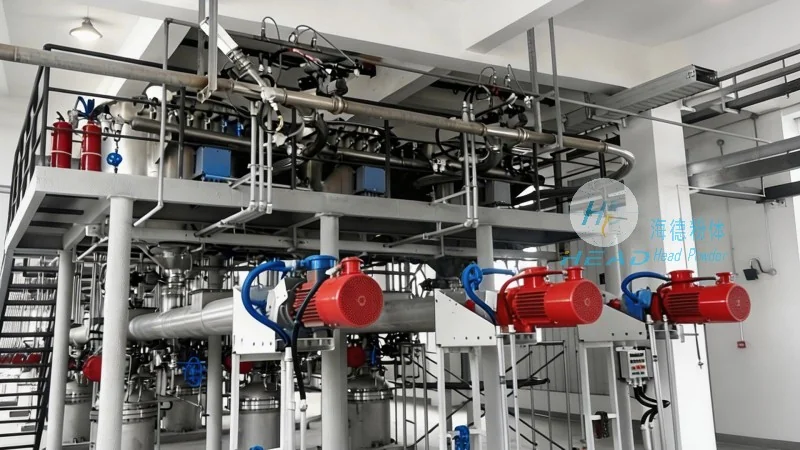
The working principle of the ammonia fertilizer powder conveying system is based on the principles of fluidization and pressure differentials. In pneumatic conveying systems, for example, compressed air is introduced into the conveying line, creating a flow that lifts and transports the powder particles. The air velocity is carefully controlled to maintain a stable suspension of the material, preventing particle agglomeration and ensuring smooth transport. Mechanical systems, on the other hand, rely on the rotation of screws or belts to move the material along the conveyor path, utilizing friction and gravity to facilitate movement.
Both systems are designed to handle the hygroscopic nature of ammonia fertilizer, which can cause clumping if not managed properly. The system incorporates features such as heating elements or anti-static measures to prevent material buildup and ensure consistent flow. Additionally, safety features like explosion-proof designs and dust suppression systems are integrated to protect against potential hazards associated with handling fine powders.
Benefits and Applications
The ammonia fertilizer powder conveying system offers numerous benefits for agricultural and industrial applications. These include improved material handling efficiency, reduced labor costs, and enhanced safety through automated processes. The system is widely used in fertilizer production facilities, storage facilities, and distribution centers, where it plays a crucial role in maintaining supply chain integrity and ensuring timely delivery of fertilizer to farms and other end-users.
By leveraging advanced technology and robust engineering, HeadPowder's systems provide reliable performance even under challenging conditions. The company's commitment to quality and customer satisfaction has made it a preferred choice for businesses in the fertilizer industry, helping them achieve operational excellence and meet the growing demands of modern agriculture.