

Operation Process and Working Principle of Silicon Carbide Powder Conveying System
For industrial applications involving silicon carbide (SiC) powder, efficient and reliable conveying systems are crucial to ensure smooth material handling and processing. The operation process and working principle of such systems are designed to address the unique challenges posed by SiC powder, including its abrasive nature and high density. This article provides a detailed overview of how these systems function, highlighting key components, operational steps, and the technical principles behind their performance.
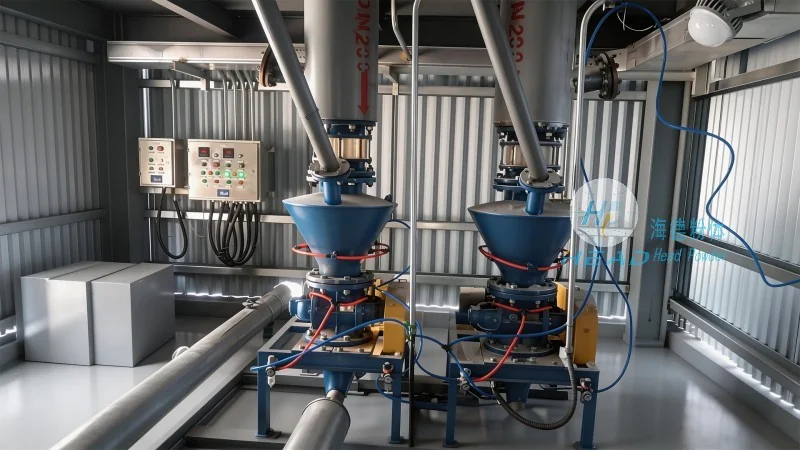
Key Components of the Conveying System
The silicon carbide powder conveying system typically consists of several critical components that work in tandem to transport the material from the source to the destination. These components include a hopper for material storage, a feeding mechanism to control the flow rate, a conveyor or pump system for actual transport, and a control unit to regulate the entire process. Each component is engineered to withstand the harsh conditions associated with SiC powder, such as high temperature resistance and corrosion resistance, ensuring long-term durability and minimal maintenance.
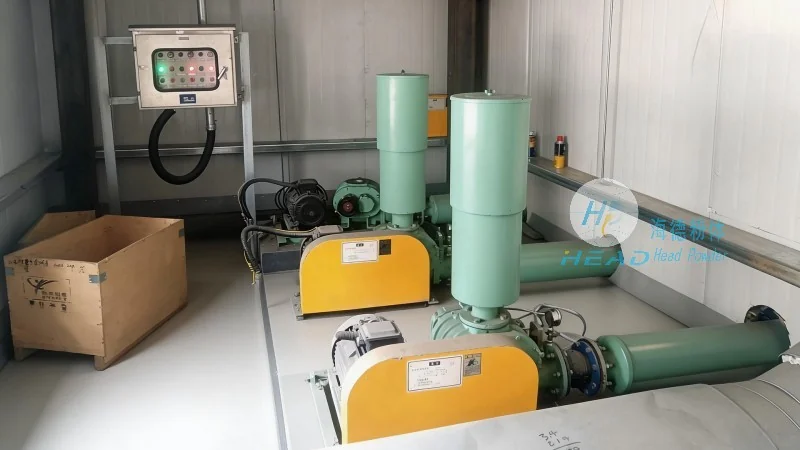
Operation Process: Step-by-Step Overview
The operation of the silicon carbide powder conveying system follows a systematic sequence of steps to ensure consistent and efficient material transport. The process begins with the loading of SiC powder into the hopper, where the material is stored under controlled conditions to prevent caking or agglomeration. Next, the feeding mechanism, often a rotary valve or screw feeder, regulates the flow of powder from the hopper into the conveyor system. The conveyor, which may be a pneumatic system or a mechanical conveyor, then transports the powder through the pipeline or duct to the target location, such as a processing unit or storage tank. Throughout this process, the control unit monitors parameters like pressure, flow rate, and temperature, adjusting the system as needed to maintain optimal performance. The entire operation is designed to minimize downtime and maximize throughput, making it suitable for high-demand industrial applications.
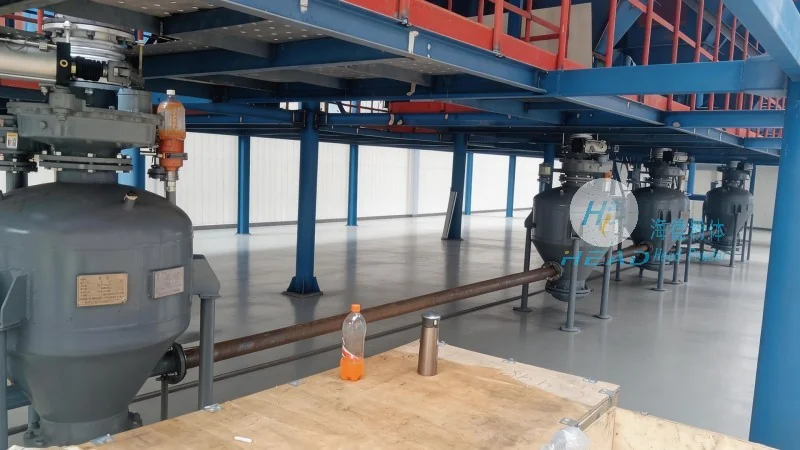
Working Principle: Technical Foundations
The working principle of the silicon carbide powder conveying system is based on the principles of fluid dynamics and mechanical engineering. For pneumatic conveying systems, the system uses compressed air to create a flow that carries the powder particles through the pipeline. The air velocity is carefully controlled to ensure that the powder remains suspended and does not settle or cause blockages. In mechanical conveying systems, such as screw or belt conveyors, the powder is moved by the rotation of the conveyor components, which applies a force to push the material forward. The choice of system depends on factors like the particle size distribution of the SiC powder, the distance to be conveyed, and the required flow rate. Both systems rely on precise control of pressure, flow, and speed to achieve consistent and reliable operation.
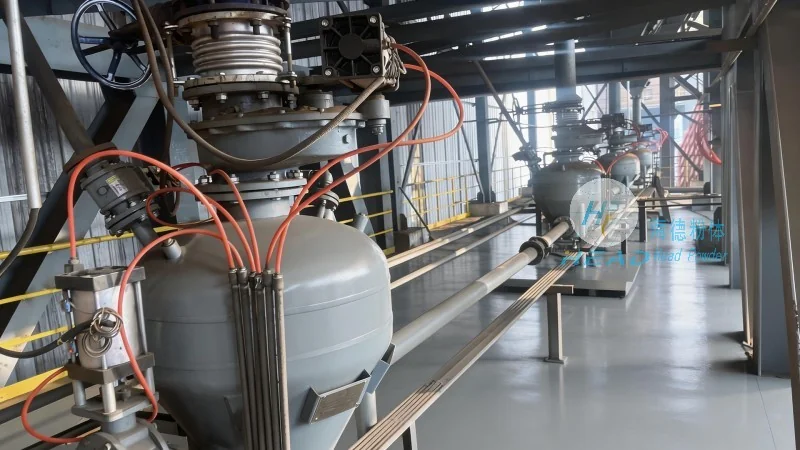
About Shandong HeadPowder Engineering Co., Ltd.
Shandong HeadPowder Engineering Co., Ltd., operating under the brand name headpowder, is a leading manufacturer specializing in the design and production of advanced powder handling systems. With a focus on innovation and quality, the company has developed cutting-edge solutions for industries that rely on silicon carbide and other abrasive powders. Headpowder's expertise lies in creating customized conveying systems that meet the specific needs of clients, ensuring optimal performance and durability. The company's facilities are located in Shandong, China, where it leverages local resources and expertise to deliver high-quality products and services to customers worldwide.