

Operation Process and Working Principle of Cereal Powder Conveying Line
For businesses in the cereal and food processing industry, efficient and reliable powder handling is crucial for maintaining product quality and operational efficiency. The cereal powder conveying line, designed by Shandong HeadPowder Engineering Co., Ltd., offers a comprehensive solution for transporting and managing cereal powders with precision and control. This article explores the detailed operation process and working principles of such a system, highlighting its key components and operational flow.
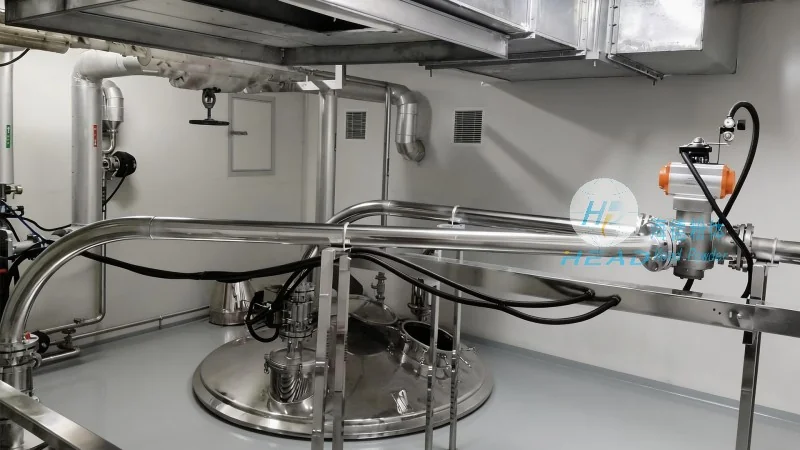
Key Components of the Cereal Powder Conveying Line
The cereal powder conveying line typically consists of several essential components that work in tandem to ensure smooth material handling. These components include feeders, conveyors, control systems, and dust collection units. Each part plays a critical role in the overall functionality of the system. The feeders are responsible for uniformly feeding the cereal powder into the conveying line, preventing blockages and ensuring consistent flow rates. The conveyors, often using pneumatic or mechanical systems, transport the powder from one stage to another. Control systems monitor and regulate the operation, adjusting parameters as needed to maintain optimal performance. Dust collection units are integrated to manage airborne particles, ensuring a clean and safe working environment.
Working Principle of the Cereal Powder Conveying Line
The operation of the cereal powder conveying line is based on a combination of mechanical and pneumatic principles. The process begins with the cereal powder being fed into the system via a hopper or bulk container. The feeder then meters the powder at a controlled rate, ensuring a steady supply to the conveyor. The conveyor system, which may include pipelines, fans, and valves, uses air pressure or mechanical force to move the powder through the line. As the powder travels, it passes through various stages such as mixing, blending, or packaging preparation. The control system continuously monitors parameters like pressure, flow rate, and temperature, making real-time adjustments to maintain efficiency and prevent issues like clogging or overloading. The dust collection system captures any airborne particles, ensuring compliance with environmental regulations and maintaining a safe workplace.
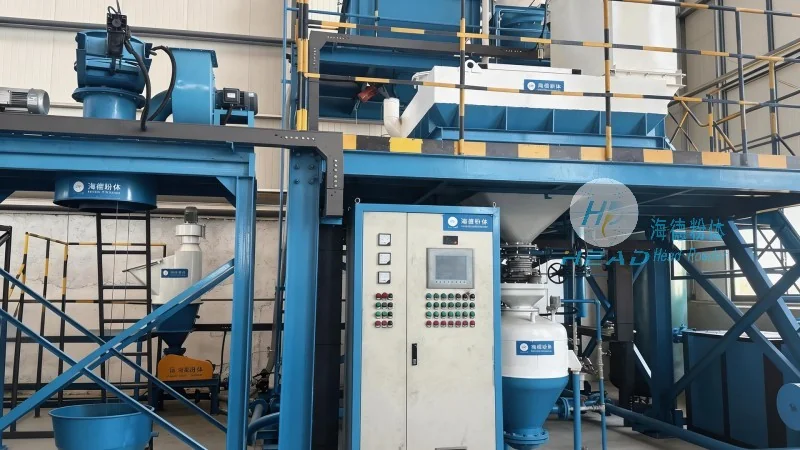
Operation Process Flow
The operation process of the cereal powder conveying line follows a systematic sequence from raw material intake to final product delivery. The first step involves receiving and storing the cereal powder in bulk containers or silos. The powder is then transferred to the feeding hopper using a bulk material handling system. The feeder regulates the flow of powder into the conveying line, ensuring a consistent feed rate. The conveyor system transports the powder through the pipeline network, which may include vertical and horizontal sections. At intermediate points, the powder may be mixed with other ingredients or processed through additional equipment such as classifiers or classifiers. The control system monitors the entire process, adjusting the speed of the conveyor and feeder as needed to maintain optimal flow. The final stage involves delivering the processed powder to the packaging or storage area. The dust collection system operates continuously to capture any particles released during the conveying process, ensuring a clean and safe environment. This systematic flow ensures that the cereal powder is handled efficiently and safely throughout the entire operation.
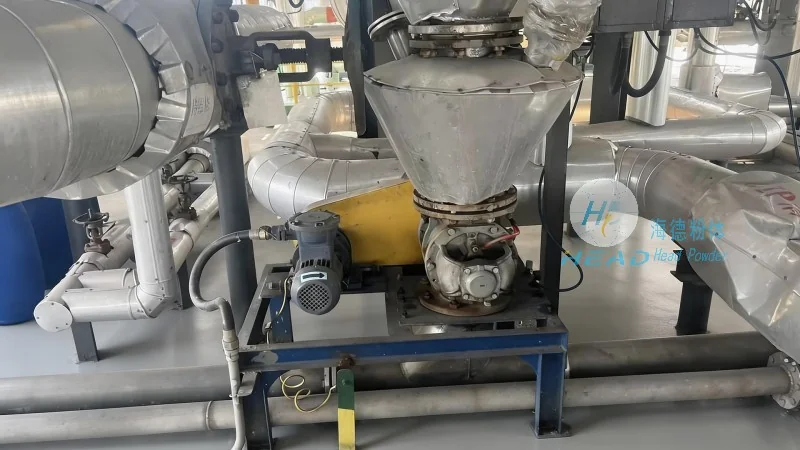
Benefits of Using a Cereal Powder Conveying Line
Implementing a cereal powder conveying line offers numerous benefits for food processing businesses. Firstly, it enhances operational efficiency by automating the powder handling process, reducing manual labor and minimizing the risk of human error. The system ensures consistent flow rates and uniform material distribution, which is critical for maintaining product quality and consistency. Additionally, the integrated control system allows for real-time monitoring and adjustment, enabling quick response to any operational issues. The dust collection system improves workplace safety by reducing airborne particles, which can be a health hazard in powder handling environments. Furthermore, the system is designed to be scalable, allowing businesses to expand their operations as needed without significant modifications. Overall, the cereal powder conveying line provides a reliable and efficient solution for managing cereal powders, contributing to improved productivity and product quality.
Conclusion
In conclusion, the cereal powder conveying line developed by Shandong HeadPowder Engineering Co., Ltd. is a sophisticated system designed to handle cereal powders with precision and efficiency. By understanding the key components, working principles, and operation process, businesses can leverage this technology to enhance their operational capabilities. The system's ability to maintain consistent flow rates, control dust, and ensure product quality makes it an essential asset for any cereal processing facility. As a leader in powder handling solutions, Shandong HeadPowder Engineering Co., Ltd. continues to innovate and provide tailored solutions to meet the evolving needs of the food processing industry.