

Operation Process and Working Principle of Denitrification Urea Powder Conveying Line
Denitrification urea powder conveying lines are critical components in industrial processes, particularly in facilities that handle urea for environmental control applications. These systems are designed to efficiently transport urea powder, a key raw material in denitrification processes, from storage to processing units. The operation of such lines involves several key steps and principles that ensure reliable and safe material handling.
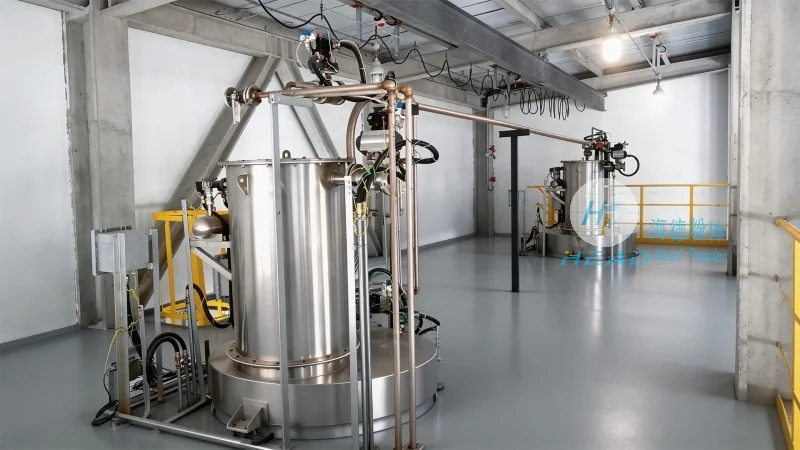
Overview of Denitrification Urea Powder Conveying Lines
Denitrification urea powder conveying lines typically consist of a series of components including hoppers, feeders, conveyors, and control systems. The primary function is to move urea powder from bulk storage to reactors or other processing equipment. The system must maintain consistent flow rates, prevent material degradation, and ensure minimal dust generation to comply with environmental regulations. HeadPowder Engineering Co., Ltd., a leading manufacturer based in Shandong, China, specializes in designing and manufacturing these conveying systems tailored to specific industrial needs.
Key Components and Their Roles
The denitrification urea powder conveying line from HeadPowder Engineering Co., Ltd. includes several essential components that work in tandem to achieve efficient operation. The hopper serves as the storage vessel, holding the urea powder in a controlled environment. The feeder, often a rotary or vibratory type, regulates the flow of material from the hopper to the conveyor. The conveyor system, whether pneumatic or mechanical, transports the urea powder through the line. Control systems monitor and adjust parameters such as pressure, flow rate, and temperature to maintain optimal performance. Each component is engineered to handle the specific characteristics of urea powder, including its granular size, moisture content, and potential for dust formation.
Operation Process: Step-by-Step
The operation of the denitrification urea powder conveying line begins with the loading of urea powder into the hopper. The feeder then starts, controlling the discharge rate based on the system's requirements. The conveyor system, whether pneumatic or mechanical, moves the urea powder through the pipeline to the processing unit. During this process, the system continuously monitors key parameters such as pressure differentials and flow rates to ensure smooth operation. If any anomalies are detected, the control system automatically adjusts or shuts down the system to prevent material blockages or equipment damage. The entire process is designed to be automated, reducing the need for manual intervention and enhancing operational efficiency.
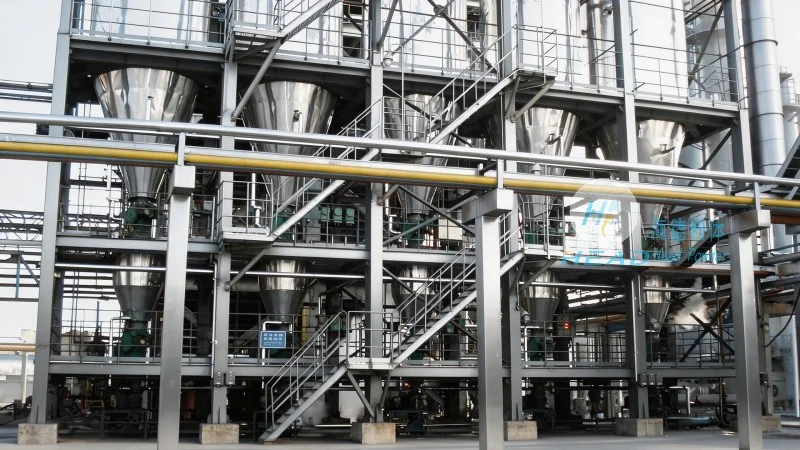
Working Principle: Mechanical and Pneumatic Systems
Denitrification urea powder conveying lines can operate using either mechanical or pneumatic principles, depending on the specific application and material characteristics. Mechanical systems, such as screw conveyors or belt conveyors, use physical force to move the urea powder. These systems are suitable for materials that are less prone to dust and can handle higher bulk densities. Pneumatic systems, on the other hand, use compressed air to transport the urea powder through a pipeline. This method is ideal for handling fine powders that are prone to dust and require a closed system to prevent environmental contamination. HeadPowder Engineering Co., Ltd. designs both types of systems, offering flexibility based on the customer's operational needs and environmental regulations.
Advantages and Benefits
Implementing a denitrification urea powder conveying line from HeadPowder Engineering Co., Ltd. offers several advantages for industrial facilities. The system enhances operational efficiency by ensuring consistent and reliable material flow, reducing downtime and maintenance costs. The design minimizes dust generation, contributing to a safer working environment and compliance with environmental standards. Additionally, the automated control systems provide real-time monitoring and adjustment, allowing for quick response to changes in process conditions. The robust construction of the conveying line ensures long-term durability, even in harsh industrial environments. These benefits make the denitrification urea powder conveying line an essential investment for facilities that rely on urea for denitrification processes.
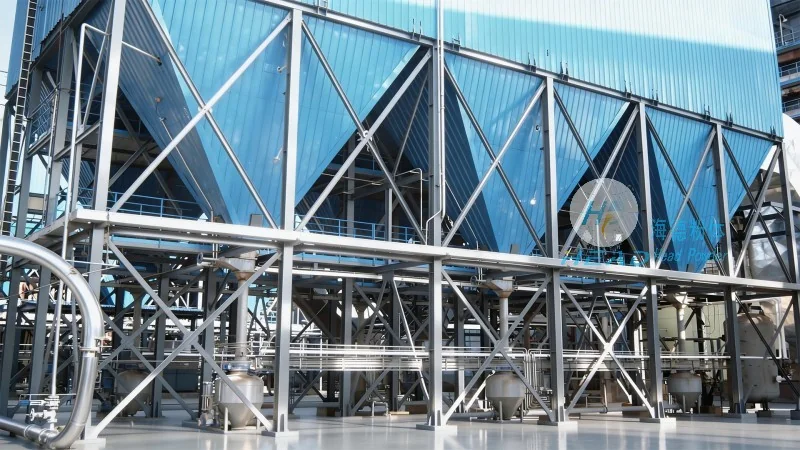
Application in Denitrification Processes
Denitrification urea powder conveying lines play a crucial role in the overall denitrification process. Urea is commonly used as a reagent in denitrification to reduce nitrogen oxides in flue gases. The conveying line ensures that urea is delivered to the reactor in the correct quantity and at the right time, maintaining optimal reaction conditions. The efficiency of the conveying system directly impacts the performance of the denitrification process, as any delays or inconsistencies in urea supply can affect the effectiveness of the treatment. HeadPowder Engineering Co., Ltd.'s systems are designed to meet the specific requirements of denitrification applications, ensuring that urea is delivered precisely when needed, thereby improving the overall efficiency of the environmental control process.
Maintenance and Safety Considerations
Maintaining the denitrification urea powder conveying line is essential to ensure long-term performance and safety. Regular inspections of components such as hoppers, feeders, and conveyors are necessary to detect and address any wear or damage. The system should be cleaned periodically to remove accumulated urea powder, which can affect performance and cause blockages. Safety measures, including dust suppression systems and emergency shutdown procedures, are critical to prevent accidents and protect personnel. HeadPowder Engineering Co., Ltd. provides comprehensive maintenance services and technical support to ensure that the conveying line operates safely and efficiently. Proper maintenance not only extends the lifespan of the equipment but also ensures compliance with safety and environmental regulations.
Conclusion
Denitrification urea powder conveying lines are sophisticated systems that require careful design and operation to achieve optimal performance in industrial applications. The operation process involves a series of steps from material loading to delivery, supported by advanced control systems. The working principle, whether mechanical or pneumatic, is tailored to the specific characteristics of urea powder and the requirements of the denitrification process. HeadPowder Engineering Co., Ltd., with its expertise and manufacturing capabilities based in Shandong, China, provides reliable and efficient denitrification urea powder conveying lines that enhance operational efficiency, ensure safety, and comply with environmental standards. These systems are essential for facilities that rely on urea for denitrification, contributing to the effective control of nitrogen oxides and improved environmental performance.