

The Operation Process and Working Principle of Sodium Hexafluorophosphate Powder Conveying Line
Shandong HeadPowder Engineering Co., Ltd., commonly known as headpowder, specializes in the design, manufacturing, and installation of specialized powder conveying systems. The company, headquartered in Shandong, China, has extensive experience in handling various chemical powders, including sodium hexafluorophosphate, a compound widely used in the pharmaceutical and chemical industries. This article provides a detailed overview of the operation process and working principles of a typical sodium hexafluorophosphate powder conveying line, highlighting the key components and their functions.
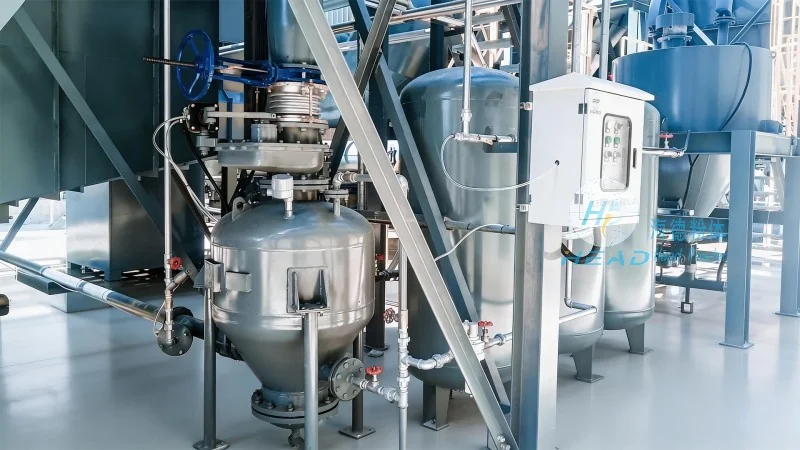
Key Components of the Powder Conveying System
The sodium hexafluorophosphate powder conveying line typically consists of several critical components that work in tandem to ensure efficient and safe material handling. The primary components include a hopper for raw material storage, a feeding device to control the flow rate, a conveying mechanism (such as a screw conveyor or pneumatic system), a control panel for system management, and a discharge unit for material release. Each component plays a vital role in maintaining the integrity of the powder and optimizing the conveying process.
The Raw Material Preparation and Storage
The operation begins with the preparation and storage of sodium hexafluorophosphate powder. The raw material is usually stored in a large hopper, which is designed to accommodate bulk quantities while minimizing dust generation. The hopper is equipped with a lid and a venting system to prevent moisture accumulation and maintain the powder's quality. Before the material is fed into the conveying system, it may undergo a pre-screening process to remove any large debris or agglomerates, ensuring that only fine, uniform particles are processed. This step is crucial for preventing blockages in the conveying equipment and maintaining consistent product quality.
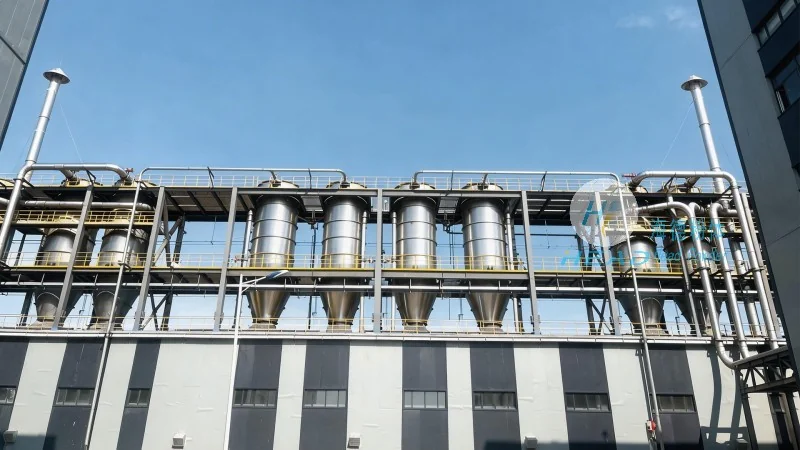
The Feeding and Control Mechanism
Once the material is prepared, it is fed into the conveying system through a controlled feeding device. The feeding mechanism, often a rotary valve or a screw feeder, regulates the flow rate of the powder based on the system's requirements. The control panel, which is integrated with sensors and automation systems, monitors parameters such as pressure, flow rate, and temperature. This allows for real-time adjustments to maintain optimal operating conditions. For sodium hexafluorophosphate, which is hygroscopic and sensitive to moisture, precise control is essential to prevent clumping and ensure smooth material flow. The system may also include a dust collection system to capture any airborne particles and protect the environment and personnel.
The Conveying Process and Equipment
The core of the powder conveying line is the conveying mechanism, which transports the sodium hexafluorophosphate from the hopper to the discharge point. Depending on the application and material characteristics, different conveying methods may be employed. For example, a screw conveyor is commonly used for horizontal or slight incline transport, while a pneumatic conveyor (airslide or positive displacement) is suitable for vertical or long-distance transport. The screw conveyor consists of a rotating screw inside a tube, which pushes the powder forward. The speed of the screw and the pitch of the blades can be adjusted to control the conveying rate. In the case of a pneumatic system, compressed air is used to create a flow of air and powder, with the air pressure and flow rate carefully regulated to prevent material degradation and ensure efficient transport.
The Discharge and Material Handling
At the end of the conveying line, the sodium hexafluorophosphate is discharged into a receiving container or a downstream processing unit. The discharge unit is designed to minimize dust and ensure a controlled release of the material. For applications where the powder needs to be transferred to another process, the discharge point may be connected to a storage tank or a mixing system. The control panel continues to monitor the discharge process, ensuring that the flow rate matches the downstream requirements. This final step is critical for maintaining the quality of the product and preventing any contamination or loss of material.
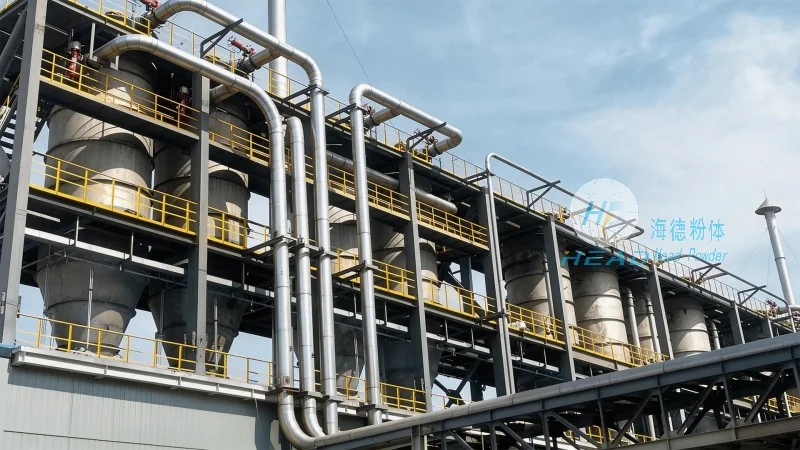
System Maintenance and Safety Considerations
Regular maintenance is essential to ensure the long-term efficiency and safety of the sodium hexafluorophosphate powder conveying line. The company, Shandong HeadPowder Engineering Co., Ltd., provides comprehensive maintenance services, including routine inspections, cleaning, and component replacement. For sodium hexafluorophosphate, which is a hazardous chemical, safety is a top priority. The system is equipped with safety features such as dust explosion-proof designs, emergency stop buttons, and ventilation systems to protect operators from exposure to the powder. Additionally, the system may include monitoring devices to detect any abnormal conditions, such as overpressure or temperature spikes, and trigger alarms or shutdown procedures.
Conclusion
The operation process and working principle of a sodium hexafluorophosphate powder conveying line, as exemplified by Shandong HeadPowder Engineering Co., Ltd., involve a sophisticated integration of components and control systems. From raw material storage to final discharge, each step is carefully designed to ensure efficient, safe, and reliable material handling. The company's expertise in handling specialized powders, including sodium hexafluorophosphate, has enabled it to deliver high-quality conveying solutions that meet the stringent requirements of the pharmaceutical and chemical industries. By understanding the operation process and working principles of such systems, users can optimize their material handling processes and enhance overall productivity.