

Operation Process and Working Principle of Vacuum Powder Conveying Equipment
Shandong HeadPowder Engineering Co., Ltd., a leading manufacturer based in Shandong, China, specializes in the design and production of advanced vacuum powder conveying systems. These systems are engineered to efficiently handle bulk powder materials in various industrial applications, ensuring reliable and safe material transport. The following article provides a detailed overview of the operation process and working principle of vacuum powder conveyors, highlighting the key components and the step-by-step procedure involved in their operation.
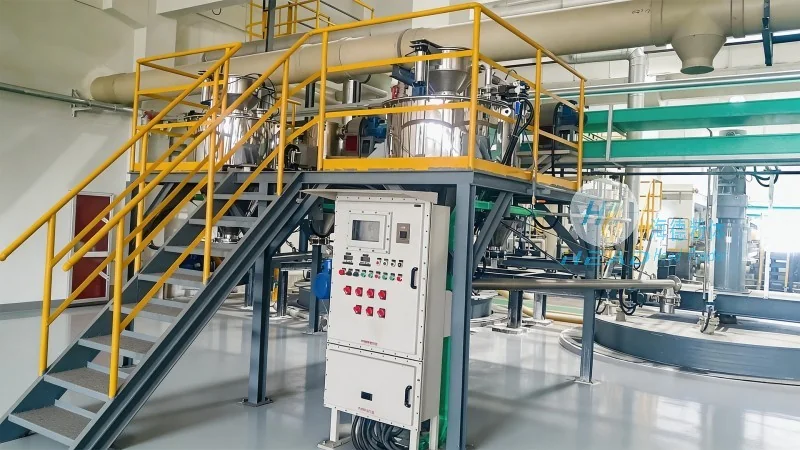
Working Principle of Vacuum Powder Conveying Equipment
Vacuum powder conveying equipment operates on the principle of creating a negative pressure (or vacuum) within the conveying line to draw powder materials from the source to the destination. This method is commonly referred to as "suction conveying." The system typically consists of a vacuum pump, a hopper for material loading, a filter to separate dust from the air, and a discharge valve for material release. The vacuum pump generates a pressure differential, causing air and powder to be drawn into the system. The powder is then separated from the air using a filter, and the purified air is either vented or recirculated, depending on the system design. This process allows for the efficient and continuous transport of powders over long distances and at varying heights, with minimal material loss and contamination.
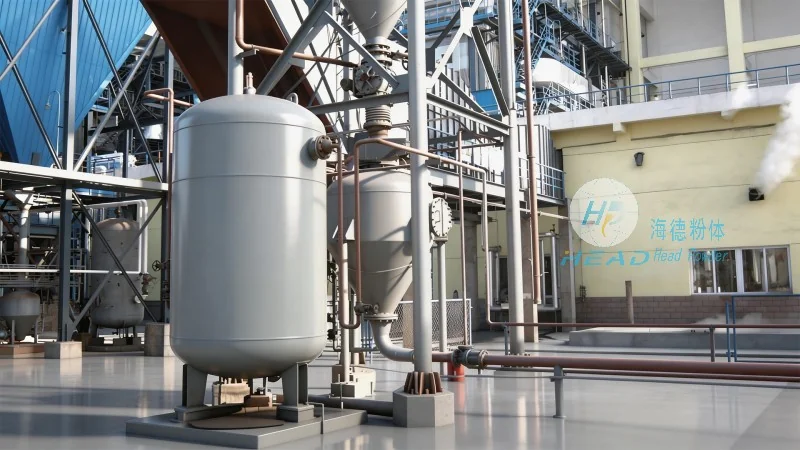
Step-by-Step Operation Process
The operation of a vacuum powder conveyor involves several key steps, each designed to ensure optimal performance and material handling. The process begins with the loading of the powder into the hopper. The hopper is equipped with a lid or a loading port to facilitate the introduction of the bulk material. Once the hopper is filled, the system starts by activating the vacuum pump. As the pump creates a negative pressure, the powder is drawn from the hopper into the conveying line. The conveying line is usually made of flexible or rigid tubing, depending on the application, and is connected to the filter and discharge unit. The powder travels through the line under the influence of the vacuum, while the air is filtered to remove any dust particles. At the discharge end, the material is released into a collection container or directly into the processing equipment. The system may also include a control panel that monitors pressure, flow rate, and other parameters to ensure smooth operation. The entire process is automated, allowing for consistent and repeatable performance, which is crucial for maintaining product quality and operational efficiency.
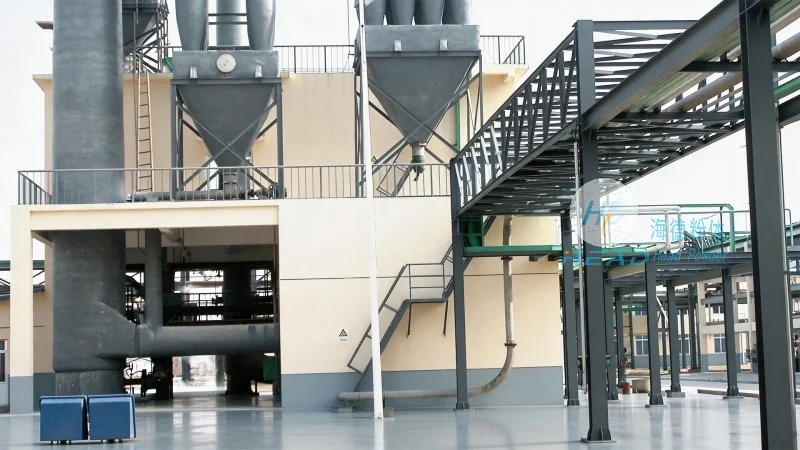
Key Components and Their Functions
Several critical components work together to enable the effective operation of a vacuum powder conveyor. The vacuum pump is the primary component responsible for generating the necessary negative pressure. It can be a rotary vane pump, a roots blower, or a combination of both, depending on the system's capacity and the type of powder being conveyed. The hopper serves as the material reservoir, providing a stable source for the powder to be drawn into the system. The filter, often a bag filter or a cartridge filter, is essential for separating the powder from the air, ensuring that the discharged air is clean and that the powder remains pure. The discharge valve controls the release of the material from the conveying line, allowing for precise control over the flow rate and preventing material backflow. Additionally, the conveying line itself must be designed to withstand the pressure and temperature conditions of the application, with materials such as stainless steel or food-grade plastic used for hygienic applications. Each component plays a vital role in the overall efficiency and reliability of the vacuum powder conveying system.
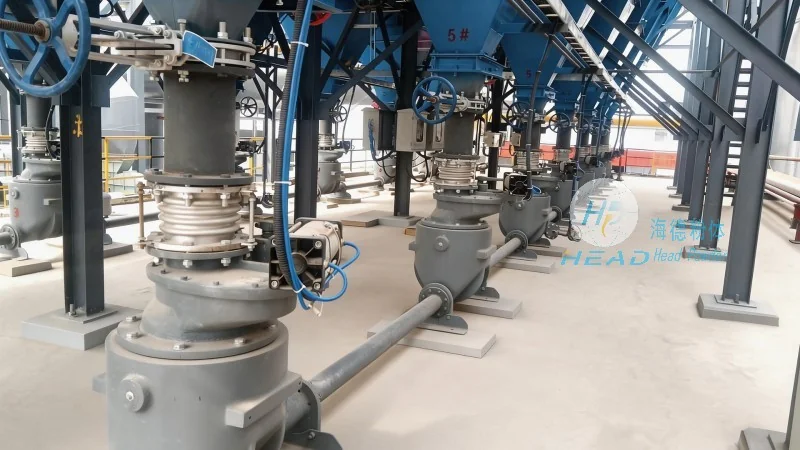
Applications and Benefits
Vacuum powder conveying equipment is widely used in various industries, including pharmaceuticals, food processing, chemical manufacturing, and cement production. The primary benefits of using such systems include improved safety, as the material is transported in a closed system, reducing dust exposure and the risk of contamination. Additionally, the closed-loop design minimizes material loss and environmental impact, making it an environmentally friendly solution. The systems are also highly flexible, allowing for the transport of powders over long distances and at varying elevations, which is particularly advantageous in large-scale industrial settings. The automated operation reduces labor costs and increases productivity, as the system can run continuously without the need for constant manual intervention. Furthermore, the ability to handle a wide range of powder types, from fine powders to bulk materials, makes vacuum conveyors a versatile solution for diverse industrial needs.