

Operation Process and Working Principle of Large-Scale Powder Conveying Equipment
Large-scale powder conveying equipment is a critical component in industrial operations, designed to efficiently transport bulk powder materials over long distances with minimal loss and high reliability. This equipment is widely used in sectors such as chemical, food, pharmaceutical, and mining, where the safe and effective handling of powders is essential for production continuity. The system typically integrates multiple components, including feeders, conveyors, control systems, and safety mechanisms, to ensure smooth and consistent material flow. Understanding its operation process and working principle is vital for optimizing performance and maintaining operational efficiency. Developed by Shandong HeadPowder Engineering Co., Ltd., a leading manufacturer based in China, this equipment is engineered to meet the demands of modern industrial applications, providing reliable and efficient solutions for bulk material transport.
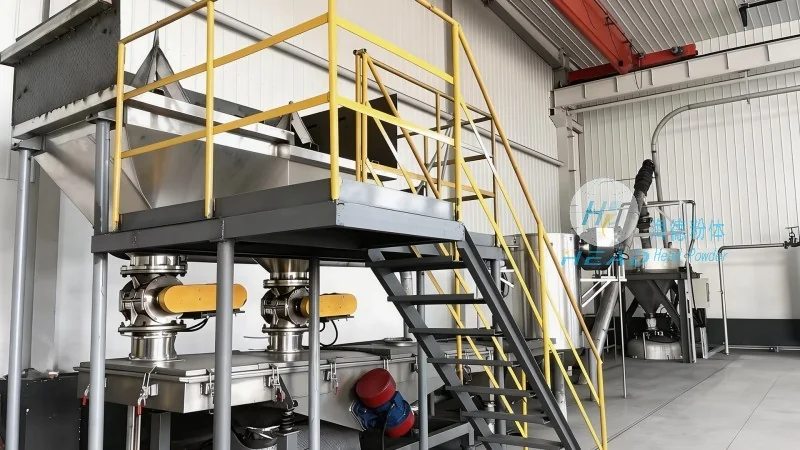
Key Components of the Powder Conveying System
The large-scale powder conveying system consists of several interconnected parts that work in harmony to achieve the desired material transport. The primary components include the material feeder, which ensures a consistent feed rate; the conveyor itself, which may be a pneumatic or mechanical type depending on the application; the control unit, which regulates the system's operation; and the safety devices, such as pressure relief valves and overfill sensors. Each component plays a crucial role in the overall functionality of the system. For instance, the feeder maintains a steady flow of material to prevent blockages or uneven distribution, while the conveyor transports the material through the system. The control unit monitors parameters like pressure, flow rate, and temperature, adjusting the system as needed to maintain optimal performance. Safety devices are integrated to prevent accidents and ensure compliance with industrial safety standards.
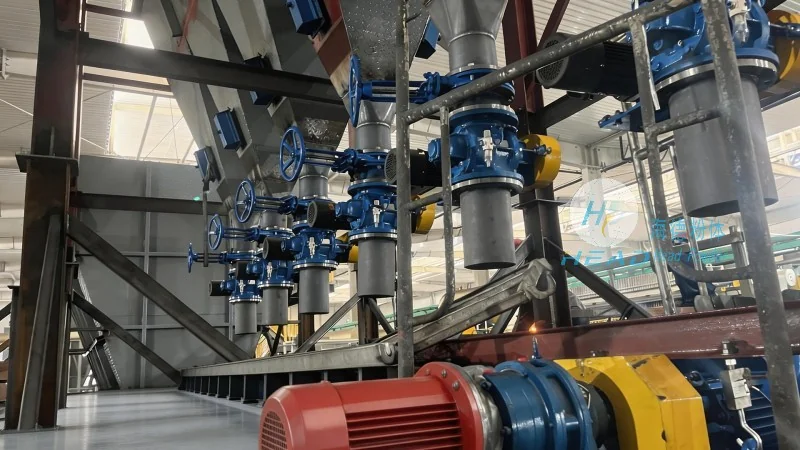
Operation Process of the Large-Scale Powder Conveying Equipment
The operation process of large-scale powder conveying equipment is a systematic sequence of steps designed to ensure the safe and efficient transport of bulk powder materials. The process begins with the preparation phase, where the system is checked for any issues, such as blockages or leaks, before starting. The feeder is then activated to start feeding the material into the system. The control unit monitors the initial flow rate and adjusts it as needed to maintain a consistent input. Once the material is flowing smoothly, the conveyor section is activated, either by increasing air pressure or starting the motor for a mechanical system. The system operates continuously until the material is fully transported to the discharge point. During operation, the control unit continuously monitors key parameters, including pressure, flow rate, and temperature, using sensors and transmitters. If any parameter deviates from the set points, the system triggers an alarm or automatically adjusts the operation to restore normal conditions. For example, if the pressure drops, the system may increase the air supply or adjust the feeder speed to maintain the flow. The system also includes safety features, such as pressure relief valves and overfill sensors, to prevent accidents and ensure compliance with safety regulations. After the material is fully conveyed, the system is shut down in a controlled manner, with the feeder and conveyor stopped first, followed by the control unit. The process is designed to be automated, minimizing human intervention and reducing the risk of errors. Regular maintenance, such as cleaning the feeder and checking the conveyor belt, is performed to ensure the system operates smoothly and reliably over time.
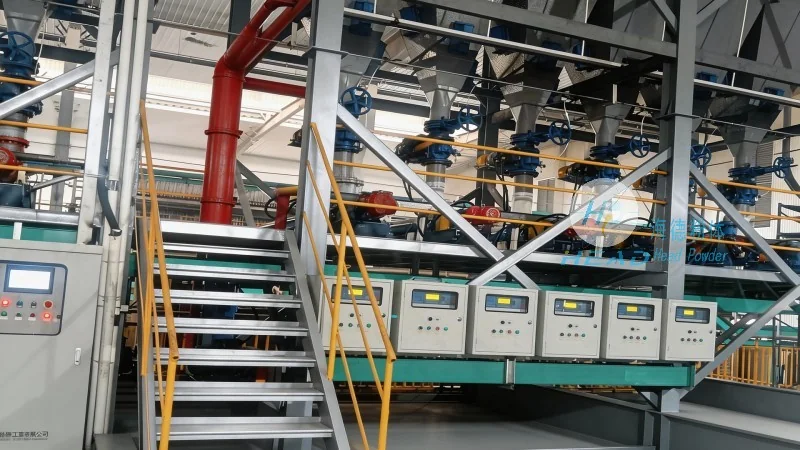
Working Principle of the Powder Conveying System
The working principle of large-scale powder conveying equipment is rooted in the fundamental principles of fluid dynamics and mechanical engineering. In pneumatic conveying systems, the core mechanism involves suspending the powder particles in a stream of air and transporting them through the system. This is achieved by creating a pressure differential between the inlet and outlet of the conveying line. Positive pressure systems use compressed air to push the powder forward, while negative pressure systems employ vacuum to draw the material. The air velocity and pressure are carefully controlled to ensure the powder is carried without settling or clogging. The system's design considers factors such as particle size, density, and moisture content to optimize the conveying process. For instance, finer particles may require higher air velocities to prevent settling, while larger particles may need lower velocities to avoid abrasion. Mechanical conveying systems, such as screw or belt conveyors, rely on the mechanical movement of the conveyor to transport the material. The screw conveyor uses a rotating screw to push the powder forward, while the belt conveyor uses a moving belt to carry the material. The working principle also involves the use of control valves and sensors to regulate the flow and maintain the system's performance. The system's control unit processes data from various sensors, adjusting parameters like motor speed or air pressure to ensure the material is transported efficiently. The integration of these components allows the system to handle a wide range of materials and maintain consistent performance under varying conditions.
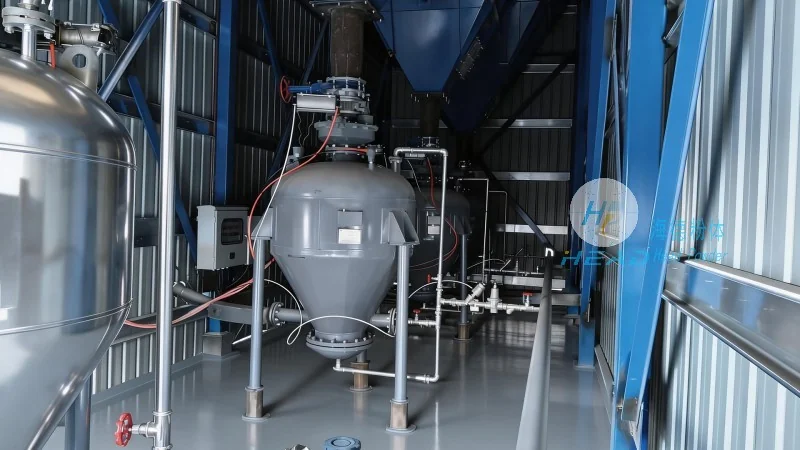
Applications and Benefits of Large-Scale Powder Conveying Equipment
Large-scale powder conveying equipment is used in a wide range of applications across various industries. In the chemical industry, it is used to transport raw materials and finished products, such as powders and granules. In the food industry, it is used to handle ingredients like flour, sugar, and spices, ensuring they are transported safely and hygienically. The pharmaceutical industry also relies on this equipment to transport active ingredients and other powders, maintaining strict quality and safety standards. The mining industry uses it to transport ore and other minerals from the mine to processing facilities. The benefits of using large-scale powder conveying equipment include improved efficiency, reduced labor costs, and enhanced safety. The automated system minimizes the need for manual handling, reducing the risk of accidents and exposure to hazardous materials. It also ensures consistent material flow, which improves production quality and reduces waste. Additionally, the system can be scaled to handle large volumes of material, making it suitable for high-capacity operations. The equipment's reliability and durability also contribute to long-term cost savings, as it requires less maintenance and has a longer service life compared to traditional methods of material transport. By leveraging advanced technology and robust design, Shandong HeadPowder Engineering Co., Ltd. provides solutions that meet the evolving needs of industrial sectors, ensuring efficient and safe powder handling in diverse applications.