

Operation Process and Working Principle of Paper Sheet Powder Conveyors
HeadPowder, a leading manufacturer based in Shandong, China, specializes in the design and production of efficient powder conveying systems. The paper sheet powder conveyor is a critical piece of equipment in industries that handle fine powders, offering a reliable solution for transporting materials with precision and minimal loss. This article delves into the operational process and underlying principles of these conveyors, highlighting their design features, functional mechanisms, and practical applications.
Key Components and Structural Design
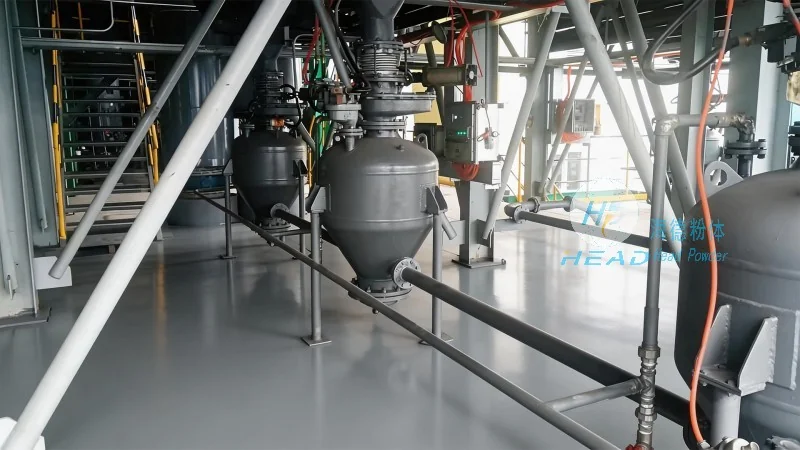
The paper sheet powder conveyor consists of several key components that work in tandem to ensure smooth material transport. The primary elements include a hopper for material storage, a feeding mechanism to control the flow of powder, a conveyor belt or tube system that transports the powder, and a discharge outlet for the material. The hopper is typically designed with a sloped bottom to facilitate gravity-assisted feeding, reducing the need for additional mechanical input. The feeding mechanism, often a rotary valve or screw feeder, regulates the amount of powder entering the conveyor, preventing overloading and ensuring consistent flow rates. The conveyor itself may be a flexible tube or a rigid belt, depending on the specific application and material characteristics. The discharge outlet is strategically positioned to direct the powder to the next processing stage, minimizing spillage and maintaining operational efficiency.
Operation Process: Step-by-Step Overview
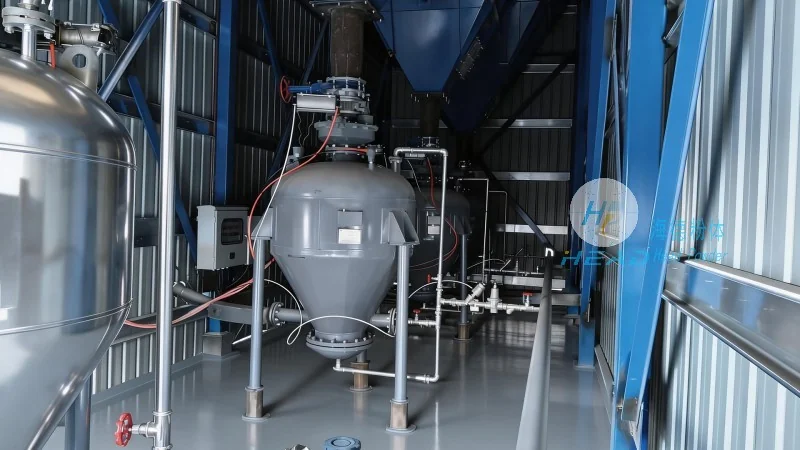
The operation of a paper sheet powder conveyor follows a systematic sequence that ensures efficient material handling. The process begins with the loading of the hopper with the target powder. Once the hopper is filled, the feeding mechanism starts, gradually releasing the powder into the conveyor. The conveyor then transports the powder from the inlet to the outlet, using either mechanical force or gravity, depending on the system design. The speed of the conveyor is controlled to match the processing requirements of the downstream equipment, ensuring that the material arrives at the correct location and at the right time. During operation, the system continuously monitors the flow rate and pressure to maintain optimal performance. Any deviations in the flow or pressure are detected by sensors and adjusted automatically to prevent blockages or material loss. The discharge outlet then delivers the powder to the next stage of the production line, completing the transport cycle.
Working Principle: Mechanical and Physical Fundamentals
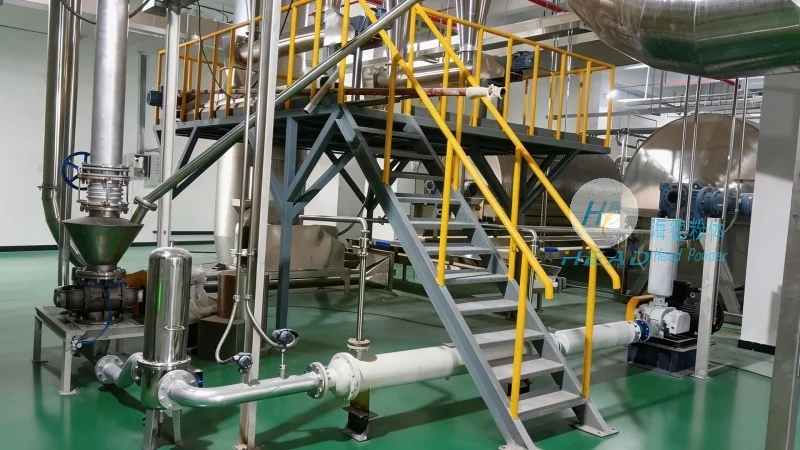
The working principle of a paper sheet powder conveyor is based on the principles of fluid dynamics and mechanical engineering. The conveyor operates by creating a pressure differential between the inlet and outlet, which drives the powder through the system. In a tube conveyor, for example, the conveyor tube is slightly inclined, and the material is moved by the rotation of the tube or the use of a vacuum or pressure system. The feeding mechanism ensures that the powder is introduced at a controlled rate, preventing clogging and maintaining a consistent flow. The conveyor belt or tube is designed to minimize friction and material degradation, using materials such as food-grade plastic or stainless steel, depending on the material being conveyed. The system also incorporates safety features, such as overload protection and emergency stop mechanisms, to prevent accidents and ensure the safety of operators. The overall design is optimized to handle a wide range of powder types, from fine powders like flour to coarser materials like cement, making it a versatile solution for various industrial applications.
Applications and Industry Benefits
Paper sheet powder conveyors are widely used in industries such as food processing, pharmaceuticals, chemicals, and construction. In the food industry, they are used to transport ingredients like flour, sugar, and spices, ensuring that the materials are handled hygienically and efficiently. In pharmaceutical manufacturing, the conveyors are used to transport active ingredients and excipients, maintaining the purity and quality of the products. In the chemical industry, they are used to transport powders like pigments, coatings, and additives, ensuring that the materials are handled safely and without contamination. The benefits of using paper sheet powder conveyors include improved material handling efficiency, reduced labor costs, minimized material loss, and enhanced safety. The systems are also designed to be easy to clean and maintain, which is crucial in industries with strict hygiene standards. Additionally, the conveyors can be integrated with other processing equipment, such as mixers and blenders, to create a seamless production line, further enhancing operational efficiency.
Maintenance and Operational Tips
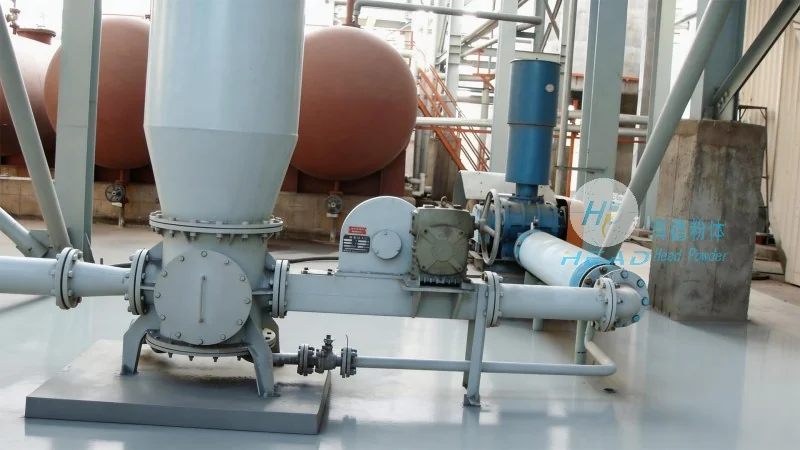
To ensure the long-term performance and reliability of a paper sheet powder conveyor, regular maintenance is essential. The system should be inspected regularly for signs of wear and tear, such as worn conveyor belts or damaged hopper liners. The feeding mechanism should be checked for proper operation, ensuring that the flow rate is consistent and that there are no blockages. The conveyor tube or belt should be cleaned regularly to prevent the buildup of material, which can affect the system's performance. The system should also be lubricated as per the manufacturer's recommendations to ensure smooth operation. Operational tips include starting the system slowly to prevent sudden pressure changes, monitoring the temperature of the powder to prevent overheating, and ensuring that the system is properly grounded to prevent electrical hazards. By following these maintenance and operational tips, users can maximize the lifespan of their conveyor system and maintain optimal performance.