

Operation Process and Working Principle of Dye Powder Conveying Machine
At Shandong HeadPowder Engineering Co., Ltd., we specialize in the design and manufacturing of advanced dye powder conveying machines. These industrial equipment are crucial for efficiently handling and transporting dye powders in various production environments. Understanding the operation process and working principle of such machines is essential for optimizing workflow and ensuring product quality.
Overview of Dye Powder Conveying Machines
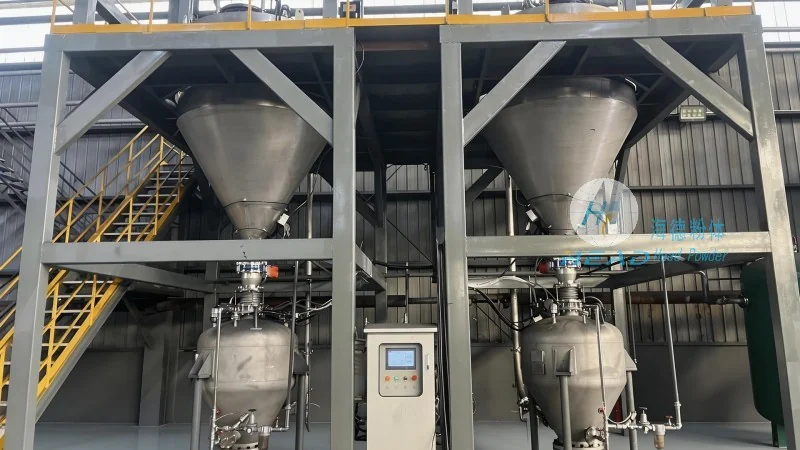
Dye powder conveying machines are engineered to handle the transportation of fine or granular dye powders from one location to another within a production facility. These systems are designed to maintain the integrity of the powder, prevent contamination, and ensure consistent flow rates. The equipment typically integrates components such as hoppers, conveyors, and control systems to achieve reliable and efficient material handling.
Key Components of the Dye Powder Conveying System
The dye powder conveying machine consists of several critical components that work in tandem to facilitate the transport process. The main components include:
1. Hopper: A container that holds the dye powder before it is fed into the conveying system. The hopper is designed with a sloped bottom to allow the powder to flow smoothly into the conveyor. It may also feature a discharge valve or gate to control the rate of material release.
2. Pneumatic Conveying System: Many dye powder conveying machines utilize pneumatic technology, where air is used to move the powder through a pipeline. This method is ideal for handling fine powders that are prone to dusting or caking. The system includes a blower or air compressor that generates the necessary pressure to propel the powder.
3. Conveyor Pipeline: The pipeline is made of materials resistant to chemical corrosion and wear, such as stainless steel or special plastics. It is designed to withstand the abrasive nature of dye powders and maintain a clean environment.
4. Control Panel: An integrated control system allows operators to monitor and adjust the conveying process. This includes sensors for detecting powder levels, pressure gauges, and control buttons for starting or stopping the operation.
The Operation Process of the Dye Powder Conveying Machine
The operation of a dye powder conveying machine involves a series of steps that ensure the efficient and safe transport of the material. The process typically begins with the loading of the dye powder into the hopper. Once the hopper is filled, the control panel is activated to initiate the conveying sequence.
First, the air compressor or blower starts, generating the required airflow. Simultaneously, the discharge valve in the hopper opens, allowing the dye powder to enter the pipeline. As the air flows through the pipeline, it carries the powder particles along, creating a dense phase or dilute phase flow depending on the system design. The control panel continuously monitors the pressure and flow rate, adjusting the air supply as needed to maintain optimal performance.
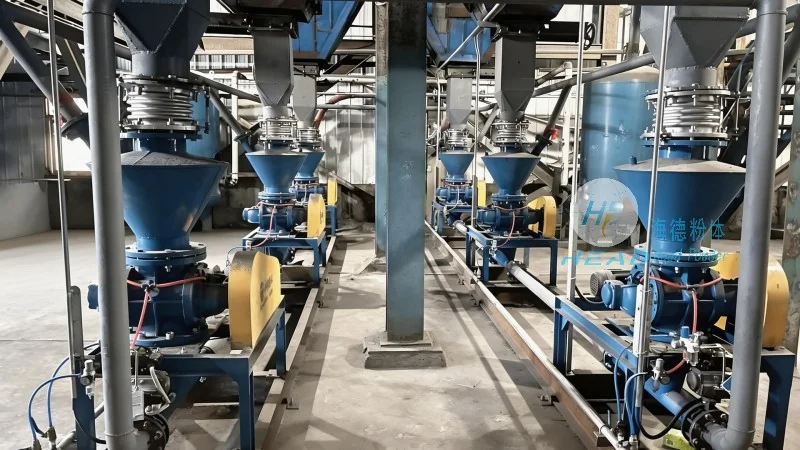
During the conveying process, the powder is transported to the destination point, such as a storage tank or processing unit. The system may include a filter or separator at the end to remove any excess air or fine particles, ensuring that only the dye powder reaches the target location. The control panel then signals the end of the conveying cycle once the desired amount of powder has been delivered.
After the conveying operation is complete, the system can be switched to a standby mode or prepared for the next batch of dye powder. The entire process is designed to be automated, reducing the need for manual intervention and minimizing the risk of human error.
Working Principle of the Dye Powder Conveying Machine
The working principle of a dye powder conveying machine is based on the principles of fluid dynamics and pneumatic transport. The system operates by using compressed air to create a flow that propels the powder particles through the pipeline. The key to efficient operation lies in maintaining the correct air-to-powder ratio, which ensures that the powder is transported without clogging or excessive pressure buildup.
In a typical pneumatic conveying system, the powder is suspended in the air stream, forming a mixture known as a "slurry." The velocity of the air is critical; if it is too low, the powder may settle and cause blockages, while too high a velocity can lead to excessive wear on the pipeline and equipment. The control system continuously adjusts the air pressure and flow rate to maintain the optimal velocity for the specific powder being conveyed.
The design of the hopper and pipeline also plays a crucial role in the working principle. The hopper's angle and the smoothness of the pipeline interior minimize friction and prevent the accumulation of powder, which could otherwise lead to clogging. Additionally, the use of appropriate materials for the hopper and pipeline ensures that the dye powder does not react with or degrade the equipment, maintaining the quality of the product.
Benefits of Using Dye Powder Conveying Machines
Implementing a dye powder conveying machine offers several advantages for industrial applications. These include:
1. Enhanced Efficiency: Automated conveying systems reduce the time and labor required for material handling, allowing for faster production cycles.
2. Improved Product Quality: The enclosed system prevents contamination from external sources and minimizes dust exposure, ensuring that the dye powder remains pure and consistent.
3. Reduced Downtime: Reliable pneumatic systems are less prone to mechanical failures compared to traditional belt or screw conveyors, leading to fewer interruptions in production.
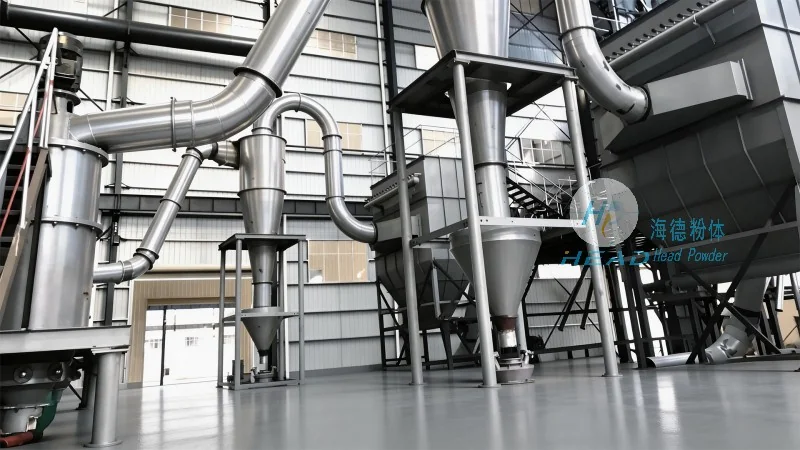
4. Flexibility in Layout: The pipeline design allows for flexible installation, enabling the machine to be integrated into existing production layouts without major structural changes.
Applications in the Dye Industry
Dye powder conveying machines are widely used in various stages of the dye manufacturing and processing industry. They are particularly valuable in:
1. Raw Material Handling: Transporting raw dye powders from storage to production lines.
2. Intermediate Product Transfer: Moving partially processed dye powders between different processing units.
3. Finished Product Packaging: Conveying finished dye powders to packaging stations for final distribution.
4. Quality Control: Ensuring consistent flow rates for sampling and testing processes.
Maintenance and Safety Considerations
Proper maintenance and adherence to safety guidelines are essential for the long-term performance and safety of dye powder conveying machines. Regular inspections should be conducted to check for wear and tear on components such as the pipeline, hopper, and control system. Filters and separators should be cleaned regularly to prevent clogging and maintain optimal airflow.
Safety measures include ensuring that the system is properly grounded to prevent electrical hazards and that all access points are secured to avoid accidental contact with moving parts. Operators should also be trained on the proper operation and emergency procedures for the machine.