

Operation Process and Working Principle of High-Calcium Limestone Powder Material Handling Equipment
High-calcium limestone powder is a critical raw material in various industrial applications, including cement production, construction materials, and chemical processing. Efficient and reliable material handling equipment is essential to ensure smooth production processes and maintain product quality. This article provides a detailed overview of the operation process and working principle of high-calcium limestone powder material handling equipment, highlighting the key components, operational steps, and technical aspects that contribute to its effective performance.
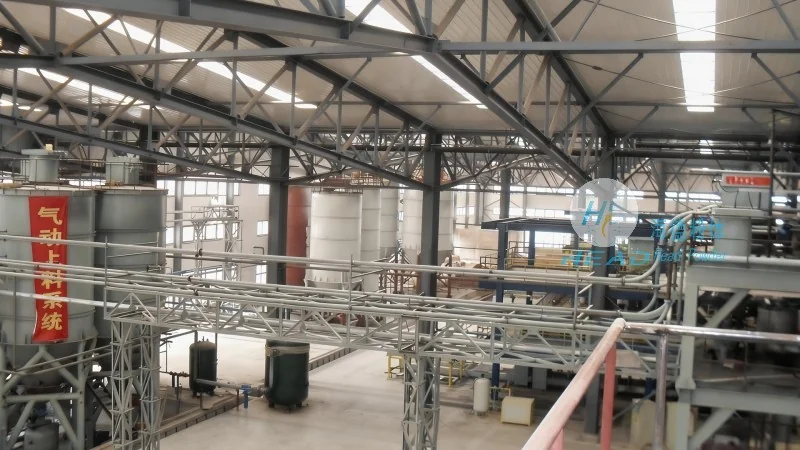
Company Profile: Shandong HeadPowder Engineering Co., Ltd.
HeadPowder, a leading manufacturer in the field of material handling solutions, specializes in designing and manufacturing equipment tailored to the unique needs of high-calcium limestone powder processing. With a strong commitment to quality and innovation, the company has established itself as a trusted partner for industries requiring robust and efficient material handling systems. HeadPowder's headquarters is located in Shandong, China, where the company leverages advanced technology and experienced engineering teams to develop cutting-edge solutions for its clients.
Working Principle of High-Calcium Limestone Powder Handling Equipment
The high-calcium limestone powder material handling equipment typically operates based on a combination of mechanical and pneumatic systems designed to handle fine powders efficiently. The core components include feeders, conveyors, and dust collection systems, each playing a crucial role in the overall material flow. The equipment is engineered to minimize dust generation and ensure precise control over the material's movement, which is vital for maintaining product purity and preventing equipment wear.
Key Components and Their Functions
1. Feeder System: The feeder is responsible for uniformly feeding the limestone powder into the conveyor system. It ensures a consistent flow rate, preventing overloading or underloading of the conveyor, which could lead to inefficiencies or equipment damage. Different types of feeders, such as screw feeders or vibratory feeders, may be used depending on the specific requirements of the application.
2. Conveyor System: The conveyor, often a belt or screw conveyor, transports the limestone powder from the feeder to the storage or processing area. The design of the conveyor, including the belt speed and inclination, is optimized to handle the fine powder without causing segregation or blockages. The conveyor system is equipped with safety features and monitoring devices to ensure continuous and safe operation.
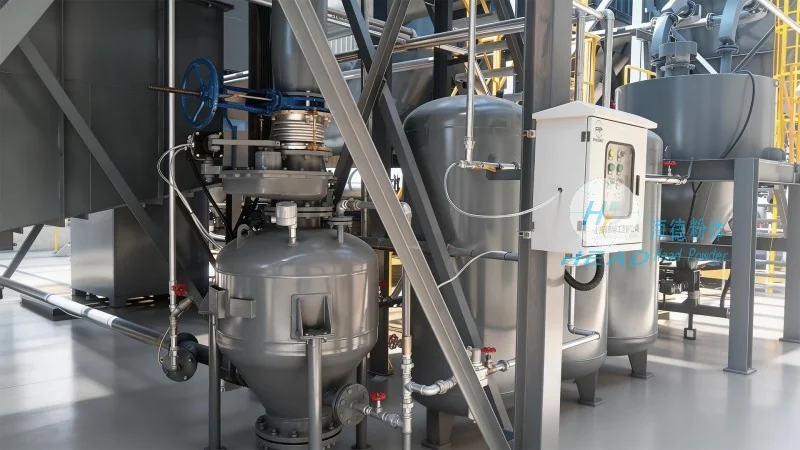
3. Dust Collection System: To maintain a clean and safe working environment, the equipment incorporates a dust collection system. This system captures airborne particles and filters them before releasing clean air back into the environment. The dust collection system is crucial for compliance with environmental regulations and for protecting the health of workers handling the limestone powder.
Operation Process: Step-by-Step Guide
The operation process of the high-calcium limestone powder handling equipment involves several sequential steps that ensure the smooth and efficient transfer of material. The following is a detailed breakdown of the typical operation process:
1. Material Loading: The limestone powder is loaded into the hopper or storage silo from which it will be fed into the feeder. Proper loading techniques are used to avoid spillage and ensure the material is evenly distributed.
2. Feeder Activation: The feeder is activated to start the material flow. The flow rate is adjusted based on the production requirements and the capacity of the conveyor system. This step ensures that the material is delivered at a consistent rate to the conveyor.
3. Conveyor Operation: Once the feeder starts, the conveyor system begins to transport the limestone powder. The conveyor belt moves at a controlled speed, ensuring that the material is moved efficiently to the next stage of processing or storage.
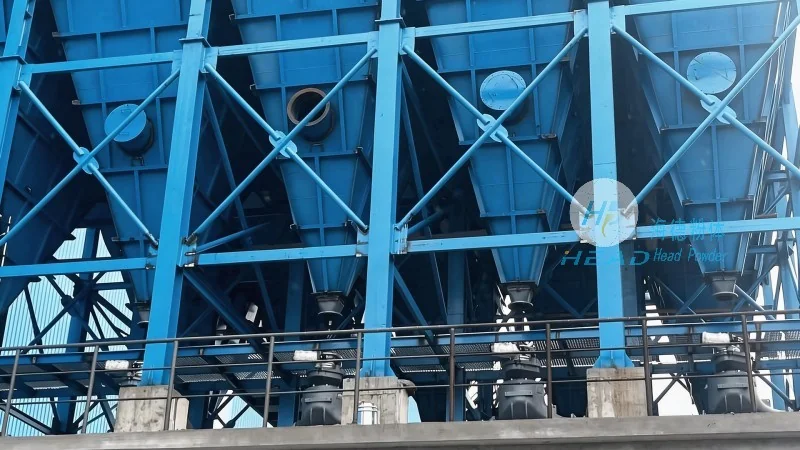
4. Dust Control: Throughout the operation, the dust collection system continuously captures any airborne particles, maintaining a clean environment and preventing dust accumulation in the equipment.
5. Monitoring and Control: The entire system is monitored through a control panel that displays real-time data on flow rates, conveyor speed, and system status. Operators can adjust parameters as needed to optimize performance and prevent issues.
Advantages of High-Calcium Limestone Powder Handling Equipment
Investing in high-quality high-calcium limestone powder handling equipment offers several advantages for industrial operations. These include improved efficiency in material transfer, reduced labor costs due to automated processes, enhanced product quality through consistent handling, and compliance with environmental regulations through effective dust control. The equipment's durability and low maintenance requirements also contribute to long-term cost savings for businesses.
Conclusion
High-calcium limestone powder material handling equipment is a vital component in industries that rely on limestone powder for their production processes. By understanding the working principle and operation process of such equipment, businesses can make informed decisions about their material handling solutions. HeadPowder, with its expertise and commitment to quality, provides reliable and efficient equipment that meets the demands of modern industrial applications. With its headquarters in Shandong, China, HeadPowder continues to innovate and deliver solutions that enhance productivity and safety in material handling operations.