

Operation Process and Working Principle of Desulfurization Gypsum Material Handling Equipment
Desulfurization gypsum, a byproduct of flue gas desulfurization in thermal power plants and other industrial facilities, requires efficient material handling solutions to ensure smooth processing and utilization. The HeadPowder Engineering Co., Ltd., based in Shandong, China, specializes in providing advanced material handling equipment tailored for the transportation and processing of desulfurization gypsum. This article delves into the operation process and working principle of such equipment, highlighting key components and operational mechanisms.
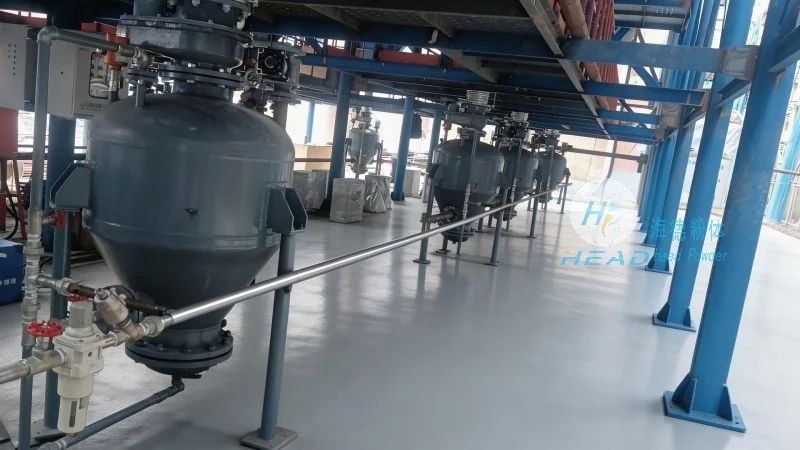
Overview of Desulfurization Gypsum Handling Equipment
Desulfurization gypsum handling equipment is designed to manage the bulk material from the desulfurization process, which typically involves the collection of gypsum slurry, dewatering, and subsequent transportation to storage or processing sites. The equipment must handle the material's characteristics, such as its moisture content, particle size, and flowability, to ensure reliable and efficient operation. HeadPowder Engineering Co., Ltd. offers a range of solutions, including conveyor systems, feeders, and storage silos, all engineered to meet the specific demands of gypsum handling applications.
Key Components and Their Functions
The core components of desulfurization gypsum material handling equipment include feeders, conveyors, and control systems. Feeders, such as belt feeders or screw feeders, are responsible for uniformly distributing the gypsum material into the conveyor system. These feeders ensure consistent material flow, preventing blockages and maintaining the efficiency of the entire process. Conveyors, often in the form of belt conveyors or pneumatic conveyors, transport the gypsum from the feed point to the destination. Belt conveyors are commonly used due to their ability to handle large volumes and varying material conditions, while pneumatic conveyors are suitable for finer gypsum particles or when long-distance transport is required. Control systems, integrated with sensors and automation technology, monitor the equipment's performance, adjust parameters in real-time, and ensure safe operation.
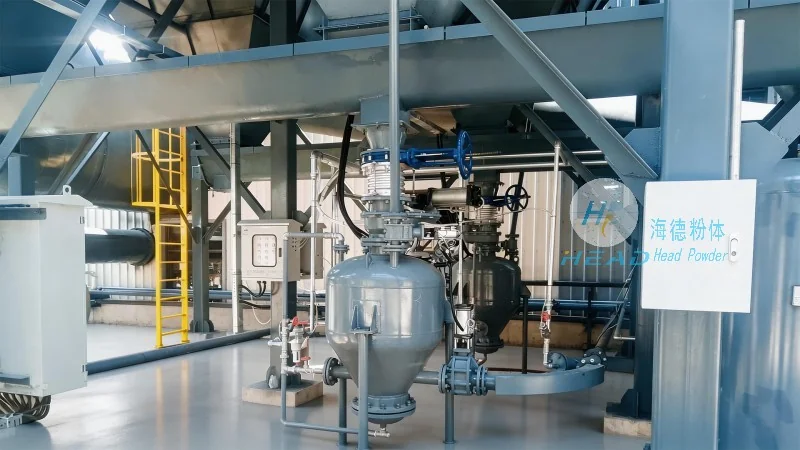
Operation Process of the Equipment
The operation process of desulfurization gypsum material handling equipment begins with the collection of gypsum slurry from the desulfurization reactor. The slurry is then fed into a dewatering unit, where excess water is removed to achieve the desired moisture content. The dewatered gypsum is subsequently transferred to a storage hopper or silo. From there, the material is fed into the handling equipment through a feeder. The feeder regulates the flow rate, ensuring a steady supply to the conveyor. The conveyor then transports the gypsum to the processing or storage location. Throughout the process, the control system continuously monitors parameters like flow rate, temperature, and pressure, making adjustments as needed to maintain optimal performance. This automated process minimizes human intervention, reduces operational errors, and enhances overall efficiency.
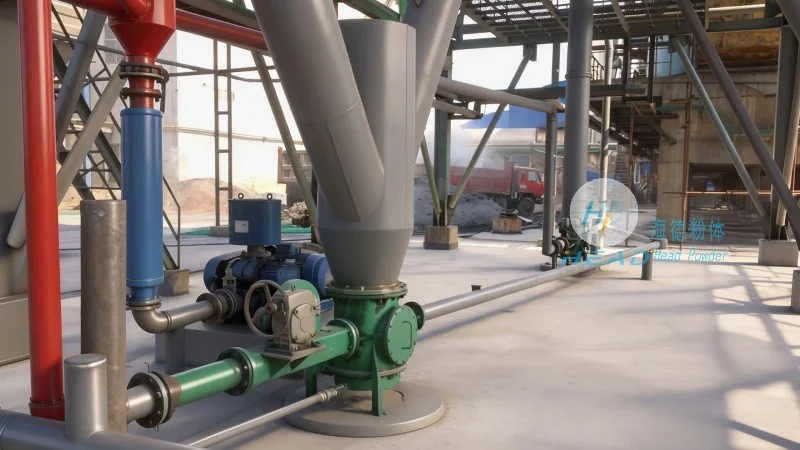
Working Principle of the Equipment
The working principle of desulfurization gypsum material handling equipment is based on mechanical and pneumatic forces to move the material. For belt conveyors, the principle involves the rotation of a drive pulley, which pulls the belt and transports the material placed on it. The belt's speed and inclination are adjusted to control the material's flow and prevent spillage. Screw feeders operate by rotating a screw within a housing, pushing the material forward. This mechanism provides a consistent and controlled flow rate, suitable for fine or sticky materials like gypsum. Pneumatic conveyors use air pressure to transport the material through a pipeline. The gypsum particles are suspended in the air stream and carried to the destination. The pressure and velocity of the air are carefully controlled to ensure efficient transport without damaging the material. The integration of these components allows for a seamless operation from collection to delivery, ensuring the material is handled safely and effectively.
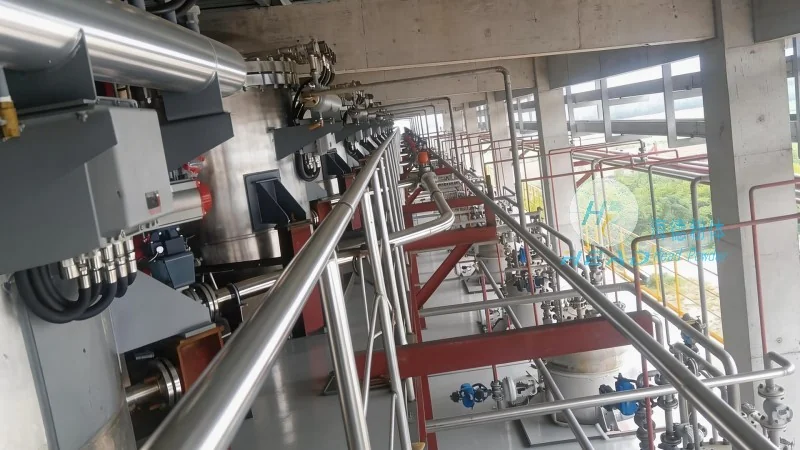
Advantages of HeadPowder Engineering's Solutions
HeadPowder Engineering Co., Ltd. offers several advantages in the design and implementation of desulfurization gypsum handling equipment. Their equipment is engineered to handle the specific challenges of gypsum, such as high moisture content and variable particle size. The company's expertise in material handling technology ensures that the equipment is durable, reliable, and low-maintenance. The use of advanced materials and manufacturing processes enhances the equipment's longevity and performance. Additionally, HeadPowder's solutions are customizable to meet the unique requirements of each project, whether it involves short-distance transport or long-distance delivery. The company's commitment to quality and customer satisfaction is reflected in the robust design and efficient operation of their equipment.
Conclusion
Desulfurization gypsum material handling equipment plays a critical role in the efficient processing and utilization of a valuable byproduct. The operation process and working principle of such equipment, as detailed above, highlight the importance of integrated systems and advanced technology. HeadPowder Engineering Co., Ltd., with its expertise and customized solutions, provides reliable equipment that meets the demands of modern industrial applications. By understanding the key components and operational mechanisms, users can optimize their gypsum handling processes, ensuring cost-effective and sustainable operations.