

Operation Process and Working Principle of Brewery Waste Material Conveying Lines
HeadPowder, a leading provider of industrial conveying solutions, specializes in the design and implementation of efficient systems for handling brewery waste materials. The company, based in Shandong, China, has extensive experience in optimizing material transport processes for the brewing industry. This article delves into the operation process and working principle of brewery waste material conveying lines, highlighting key components, operational steps, and technical aspects that ensure reliable and effective material handling.
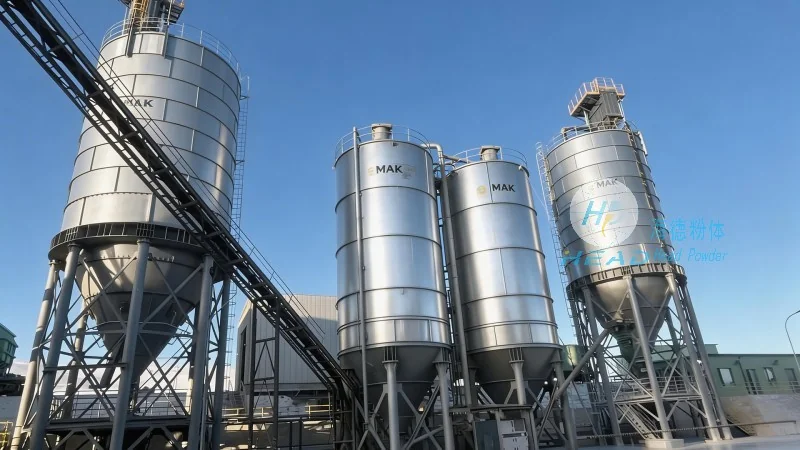
Overview of Brewery Waste Material Conveying Lines
Brewery waste material conveying lines are specialized systems engineered to transport spent grain, also known as brewery waste or spent grain, from production areas to storage or disposal facilities. These materials are typically high in moisture content and have a fibrous texture, making conventional conveying methods challenging. The systems are designed to handle these characteristics while maintaining hygiene standards and operational efficiency. HeadPowder's solutions are tailored to meet the specific needs of breweries, ensuring minimal downtime and maximum productivity.
Key Components of the Conveying System
The core components of a brewery waste material conveying line include feed hoppers, conveyor belts or screws, idlers, drive mechanisms, and control systems. Feed hoppers are used to collect and store the spent grain, providing a consistent feed to the conveyor. Conveyor belts, often made of heavy-duty rubber or plastic, are designed to withstand the abrasive nature of the material. Screw conveyors are another common option, particularly for vertical or inclined transport, as they can handle high-density materials without the need for additional support structures. Idlers support the conveyor belt and ensure smooth movement, while drive mechanisms, such as electric motors and gearboxes, provide the necessary power to move the material. Control systems, including sensors and programmable logic controllers (PLCs), monitor the system's performance and adjust parameters as needed to maintain optimal operation.
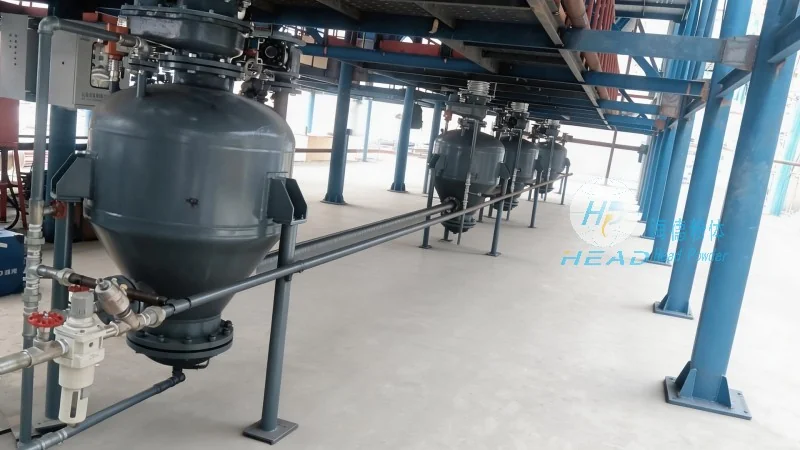
Operation Process: Step-by-Step
The operation of a brewery waste material conveying line involves several sequential steps that ensure the smooth and continuous transport of spent grain. The process begins with the collection of spent grain from the brewing tanks or filtration equipment. The material is then transferred into the feed hopper, where it is stored until it is ready to be conveyed. Once the hopper is filled to a certain level, the conveyor system is activated. The drive mechanism starts, and the conveyor belt or screw begins to move, transporting the material from the hopper to the discharge point. The discharge point is typically a storage silo or a transport vehicle, depending on the brewery's requirements. The control system continuously monitors the flow rate and pressure, adjusting the speed of the conveyor as needed to maintain a steady flow. If any issues arise, such as a blockage or overload, the system automatically shuts down to prevent damage and ensure safety.
Working Principle: Mechanical and Hydraulic Systems
The working principle of a brewery waste material conveying line is based on mechanical and hydraulic forces that move the material along the conveyor path. For belt conveyors, the principle involves the friction between the conveyor belt and the material being transported. The belt is driven by a motor, which rotates the drive pulley, causing the belt to move. The material is placed on the belt at the feed end and is carried to the discharge end by the movement of the belt. The angle of inclination and the speed of the belt determine the rate of material transport. Screw conveyors operate on a similar principle but use a rotating screw to push the material forward. The screw's rotation creates a pressure gradient that moves the material along the screw's axis. The pitch and diameter of the screw are critical factors that affect the conveying capacity and efficiency. Hydraulic systems, such as hydraulic cylinders or pumps, may be used in some applications to assist with the movement of the material, particularly in vertical or high-capacity conveying scenarios. These systems provide additional force to overcome gravity or resistance, ensuring reliable operation.
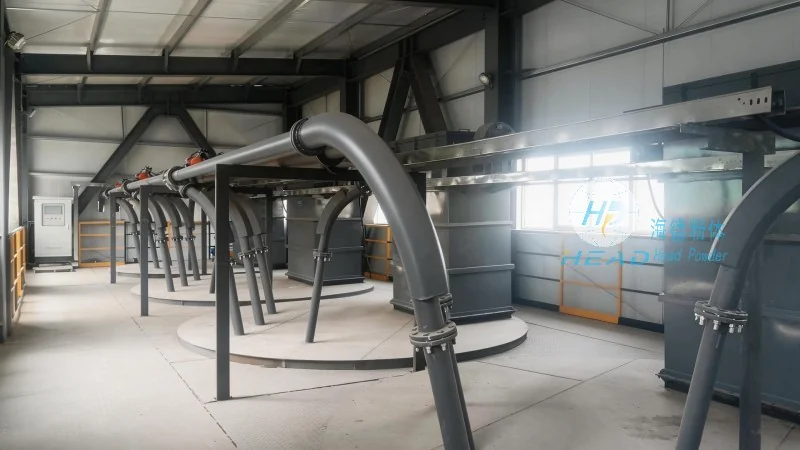
Technical Considerations and Optimization
Several technical considerations are essential for optimizing the performance of brewery waste material conveying lines. Material properties, such as moisture content, density, and abrasiveness, significantly impact the choice of conveyor type and components. For example, high-moisture materials may require a conveyor with better drainage capabilities to prevent slippage or blockages. The system's capacity and speed must be matched to the brewery's production volume to avoid bottlenecks or overloading. Maintenance is another critical factor, as regular inspection and replacement of components like belts, idlers, and bearings are necessary to ensure long-term reliability. HeadPowder's engineers consider these factors during the design phase, using advanced simulation tools to model the system's behavior and identify potential issues before installation. This approach ensures that the conveying line operates efficiently and meets the brewery's operational requirements.
Application and Industry Impact
Brewery waste material conveying lines are widely used in the brewing industry to handle spent grain, a byproduct of the brewing process. These systems play a crucial role in maintaining the efficiency of the brewing operation by ensuring that spent grain is transported quickly and safely from the production area to storage or disposal facilities. The use of efficient conveying systems reduces labor costs and minimizes the risk of contamination, as the material is handled in a controlled environment. Additionally, the proper management of spent grain can have environmental benefits, as it can be used as animal feed or biofuel, reducing waste and promoting sustainability. HeadPowder's solutions have been implemented in numerous breweries worldwide, helping them to improve their operational efficiency and reduce their environmental footprint.