

Operation Process and Working Principle of Electric Lime Material Conveying Line
Electric lime material conveying lines are critical components in industrial processes, particularly in the production and handling of electric lime. These systems are designed to efficiently transport electric lime from storage areas to processing units or other destinations within a facility. The operation of such lines involves a series of interconnected steps and mechanisms that ensure smooth and reliable material movement. Understanding the operation process and working principle is essential for optimizing performance, maintaining efficiency, and ensuring safety in industrial applications.
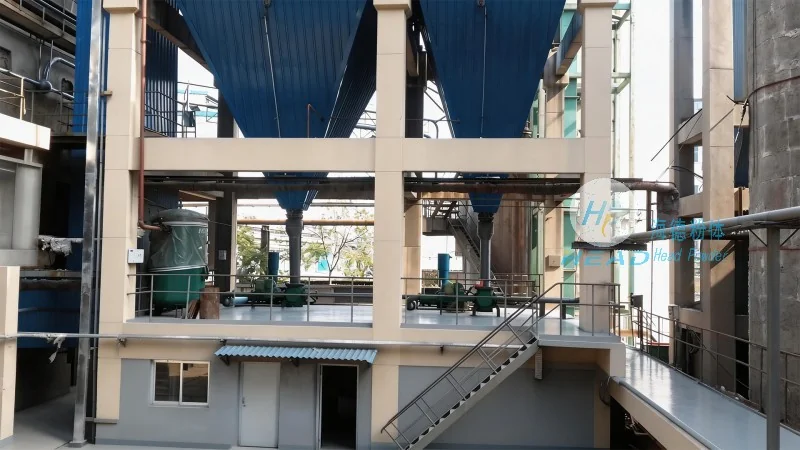
Overview of Electric Lime Material Conveying Lines
Electric lime, also known as quicklime, is a key raw material in various industrial sectors, including construction, steel production, and chemical manufacturing. The conveying line for electric lime must be robust and capable of handling the material's characteristics, such as its high reactivity and potential for dust generation. The system typically includes components like hoppers, feeders, conveyor belts or screw conveyors, and control systems to manage the flow of electric lime. Each component plays a vital role in the overall operation, contributing to the line's effectiveness and reliability.
Key Components and Their Functions
The electric lime material conveying line consists of several key components, each with specific functions to ensure the smooth transport of the material. The primary components include:
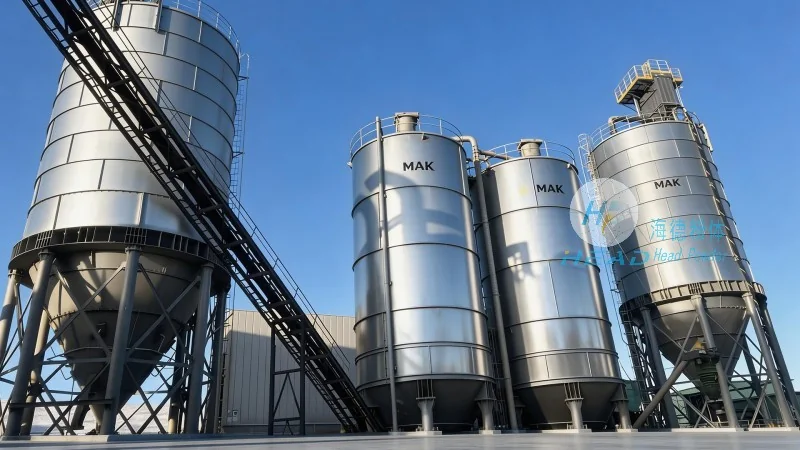
- Hoppers: These are large containers that store the electric lime before it is fed into the conveying system. Hoppers are designed to hold a significant volume of material and provide a controlled feed to the subsequent equipment.
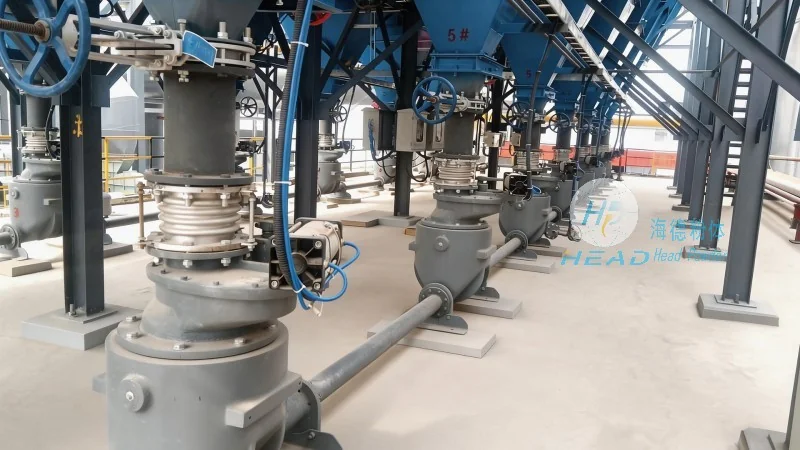
- Feeders: Feeders regulate the flow of electric lime from the hoppers to the conveyor. They can be of various types, such as rotary or vibratory feeders, which ensure a consistent and controlled discharge rate.
- Conveying Equipment: This is the core component of the line, responsible for moving the electric lime from one location to another. Common types include belt conveyors, screw conveyors, and pneumatic conveyors. Belt conveyors are widely used due to their simplicity and efficiency in handling bulk materials like electric lime.
- Control Systems: Advanced control systems monitor and regulate the operation of the conveying line. These systems ensure that the flow rate, speed, and direction of the conveyor are optimized based on operational needs and safety requirements.
Operation Process of the Conveying Line
The operation process of an electric lime material conveying line begins with the storage of electric lime in the hoppers. The material is then fed from the hoppers into the feeder, which controls the discharge rate. The feeder then transfers the electric lime to the conveyor, which moves the material along the designated path. The control system continuously monitors the process, adjusting parameters as needed to maintain optimal performance. The material is then delivered to the processing unit or storage area, completing the cycle.
Working Principle of the Conveying System
The working principle of the electric lime material conveying line is based on mechanical energy to move the material. In belt conveyors, for example, a motor-driven pulley system rotates the belt, which transports the electric lime through friction. The screw conveyor operates by rotating a screw within a tube, pushing the material forward due to the helical design. The control system coordinates the operation of these components, ensuring that the material is moved efficiently and safely. The entire system is designed to handle the physical properties of electric lime, such as its density and flow characteristics, to prevent blockages or uneven flow.
Maintenance and Safety Considerations
Maintaining the electric lime material conveying line is crucial for its long-term performance and safety. Regular maintenance includes checking the condition of the conveyor belt, ensuring proper lubrication of moving parts, and inspecting the control systems for any malfunctions. Safety considerations are also paramount, as electric lime can be dusty and pose health risks. Proper ventilation and dust suppression systems are essential to protect workers and maintain a safe working environment. Additionally, regular cleaning of the conveying equipment is necessary to prevent the buildup of material, which can affect performance and cause operational issues.
Applications and Benefits
Electric lime material conveying lines are widely used in various industrial applications where the efficient handling of electric lime is required. The benefits of these systems include improved productivity, reduced labor costs, and enhanced safety. By automating the material transport process, these lines minimize human intervention, reducing the risk of accidents and improving overall operational efficiency. The robust design of the conveying line ensures that it can handle the demanding conditions of industrial environments, providing reliable service over extended periods.
Conclusion
In conclusion, the operation process and working principle of electric lime material conveying lines are critical for the efficient and safe handling of electric lime in industrial applications. The system's components work together to ensure smooth material transport, while the control systems optimize performance and safety. Regular maintenance and adherence to safety protocols are essential to maximize the life and effectiveness of the conveying line. As a leading provider in the industry, Shandong HeadPowder Engineering Co., Ltd. specializes in designing and manufacturing high-quality electric lime material conveying lines that meet the specific needs of various industrial sectors.