

Operation Process and Working Principle of Small Bag Weighing and Feeding Material Conveying System
HeadPowder, a leading manufacturer based in Shandong, China, specializes in the design, production, and supply of advanced material handling equipment. This article provides a detailed overview of the operation process and working principle of the small bag weighing and feeding material conveying system, a critical component in modern industrial material processing applications.
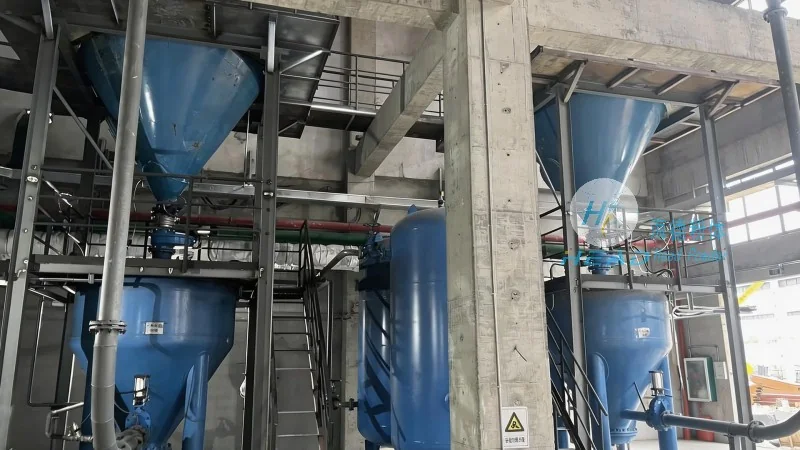
Overview of the Small Bag Weighing and Feeding Material Conveying System
The small bag weighing and feeding material conveying system is engineered to efficiently handle, weigh, and transfer bulk materials packaged in small bags. This system integrates multiple functional modules, including bag feeding, weighing, and material discharge mechanisms, to ensure precise material handling and seamless integration into production lines. The system is particularly suitable for industries such as chemical, food, and pharmaceuticals, where accurate material measurement and controlled feeding are essential for product quality and process efficiency.
Key Components and Their Functions
The system comprises several key components, each playing a vital role in the overall operation. These include the bag feeding conveyor, the weighing scale, the feeding mechanism, and the discharge conveyor. The bag feeding conveyor is responsible for transporting small bags from a storage area to the weighing station. It typically uses a belt or chain-driven system to move the bags at a controlled speed, ensuring consistent and reliable feeding. The weighing scale is the core component for measuring the mass of the material in each bag. It may employ load cells or other precision sensors to provide accurate weight readings, which are crucial for quality control and inventory management. The feeding mechanism, often a screw or paddle feeder, regulates the discharge of material from the weighed bag into the downstream conveying system. The discharge conveyor then transports the material to the next processing stage or storage location.
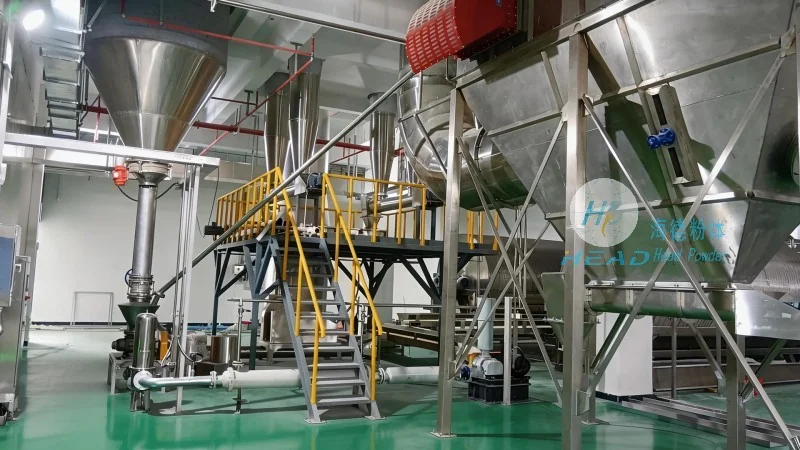
Operation Process of the System
The operation of the small bag weighing and feeding material conveying system follows a systematic sequence of steps. Initially, small bags containing the bulk material are placed on the bag feeding conveyor. The conveyor transports the bags to the weighing station, where each bag is positioned under the weighing scale. The scale measures the weight of the material in the bag and transmits this data to the control system. Once the weighing is complete, the control system triggers the feeding mechanism to open the bag and allow the material to flow into the feeder. The feeder then controls the discharge rate, ensuring that the material is released at a consistent and controlled pace. The discharged material is subsequently transported by the discharge conveyor to the next stage of the production process. This cycle repeats for each bag, maintaining a continuous and efficient material handling operation.
Working Principle of the System
The working principle of the small bag weighing and feeding material conveying system is based on the integration of mechanical, electrical, and control technologies. The mechanical components, such as conveyors and feeders, provide the physical movement and material transfer functions. The electrical components, including sensors and control panels, process the weight data and manage the operation of the mechanical parts. The control system, often a programmable logic controller (PLC), coordinates all the components to ensure synchronized and accurate operation. It receives weight readings from the scale, compares them with preset targets, and adjusts the feeding rate accordingly. This closed-loop control ensures that the material is weighed precisely and fed at the desired rate, minimizing errors and maximizing process efficiency. The system also incorporates safety features, such as overload protection and emergency stop mechanisms, to ensure safe and reliable operation in industrial environments.
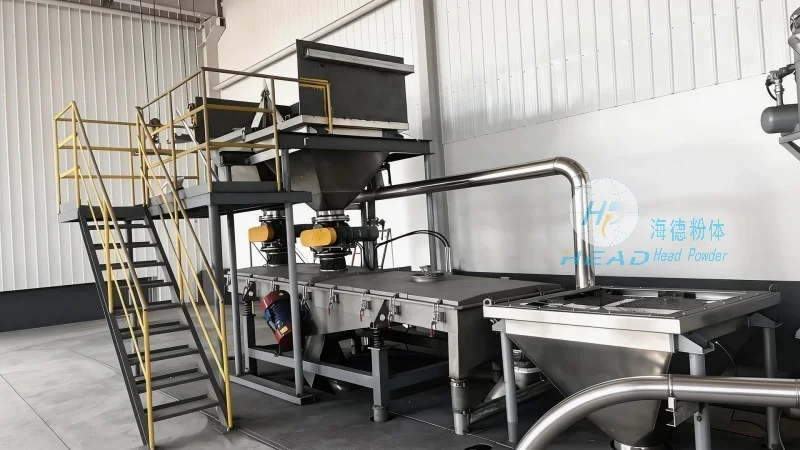
Advantages and Applications
The small bag weighing and feeding material conveying system offers several advantages in industrial applications. Its high accuracy in weighing ensures that each batch of material meets the required specifications, reducing waste and improving product quality. The automated feeding process enhances operational efficiency by minimizing manual intervention and labor costs. The system's compact design and modular construction allow for easy installation and integration into existing production lines, making it a versatile solution for various material handling needs. In the chemical industry, it is used for handling powders and granules, ensuring precise dosing for chemical reactions. In the food industry, it facilitates the accurate measurement of ingredients, maintaining product consistency and compliance with food safety standards. In the pharmaceutical industry, the system's hygienic design and precise control are critical for handling active pharmaceutical ingredients (APIs) and ensuring product purity.
Conclusion
HeadPowder's small bag weighing and feeding material conveying system exemplifies advanced material handling technology, combining precision, efficiency, and reliability. By understanding the operation process and working principle of this system, users can appreciate its role in enhancing productivity and maintaining quality in industrial material processing. With its robust design and comprehensive functionality, the system is a valuable asset for companies seeking to optimize their material handling operations and meet the demands of modern manufacturing.