

Operation Process and Working Principle of Cement Dry Ash Powder Pneumatic Conveying System
The cement dry ash powder pneumatic conveying system, developed by Shandong HeadPowder Engineering Co., Ltd., is a specialized equipment designed for the efficient and reliable transportation of cement dry ash powder. This system is widely used in industrial applications where the safe and effective movement of fine powders is critical. The system operates based on the principle of air pressure to transport materials, ensuring minimal loss and contamination during the process.
Key Components and Their Functions
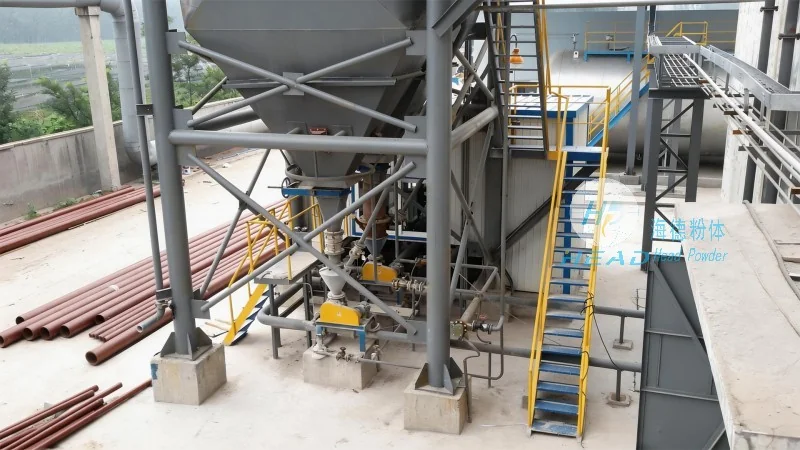
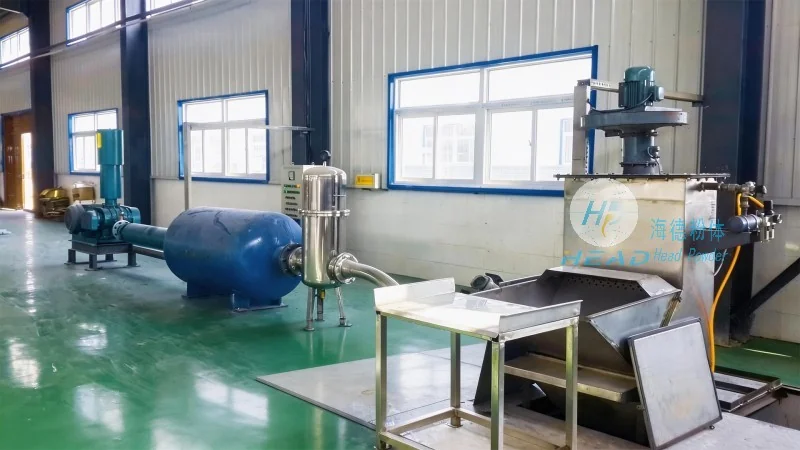
The pneumatic conveying system for cement dry ash powder typically consists of several core components, each playing a vital role in the overall operation. The main components include the material hopper, air compressor, conveying pipeline, and dust collection system. The material hopper is responsible for storing the cement dry ash powder, ensuring a steady supply to the system. The air compressor generates the necessary air pressure to create the conveying airflow. The conveying pipeline, often made of stainless steel or other corrosion-resistant materials, transports the powder through the system. The dust collection system is crucial for maintaining air quality and preventing dust emissions, which is essential for compliance with environmental regulations.
Working Principle of the System
The operation of the cement dry ash powder pneumatic conveying system follows a systematic process. Initially, the cement dry ash powder is fed from the material hopper into the conveying pipeline. Simultaneously, the air compressor supplies compressed air into the pipeline. The air and powder mixture travels through the pipeline under the pressure generated by the compressor. As the mixture moves, the air velocity is sufficient to keep the powder particles suspended, preventing blockages and ensuring smooth flow. The system may include various sections such as the initial conveying zone, transition zone, and final delivery zone, each optimized for different stages of the powder movement. The final delivery point is where the cement dry ash powder is discharged into the target container or processing equipment.
Operation Process and Control Mechanisms
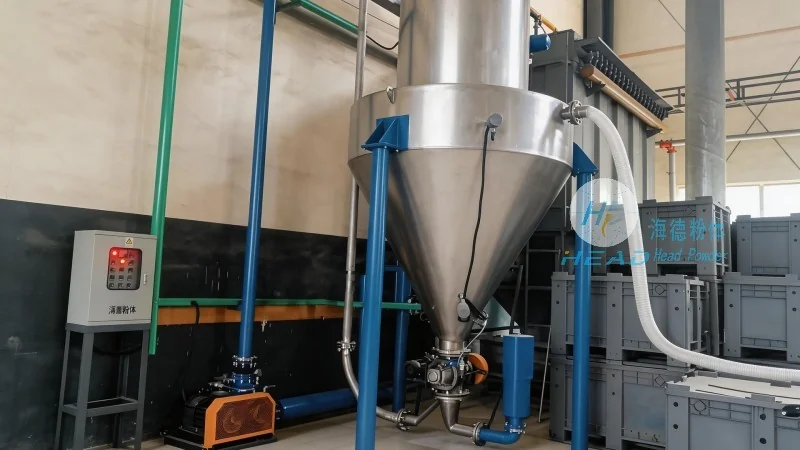
The operation process of the cement dry ash powder pneumatic conveying system involves precise control to maintain efficiency and safety. The system is equipped with sensors and control panels that monitor parameters such as air pressure, flow rate, and material level. These controls allow operators to adjust the system settings in real-time, ensuring optimal performance. For example, if the material level in the hopper is low, the system can automatically adjust the feeding rate to prevent interruptions. Similarly, if the air pressure drops, the system can increase the compressor output to maintain the conveying speed. The control mechanisms also include safety features such as pressure relief valves and emergency shut-off switches, which protect the system from over-pressurization and other potential hazards.
Advantages and Applications
The cement dry ash powder pneumatic conveying system offers several advantages over traditional transportation methods. It provides a dust-free and hygienic environment, which is particularly important for food and pharmaceutical industries. The system also reduces material loss and contamination, leading to cost savings and improved product quality. Additionally, the system is flexible and can be adapted to various production scales, from small-scale laboratory applications to large industrial plants. The system is widely used in cement manufacturing, power plants, and other industries where cement dry ash powder needs to be transported efficiently and safely.
Maintenance and Troubleshooting
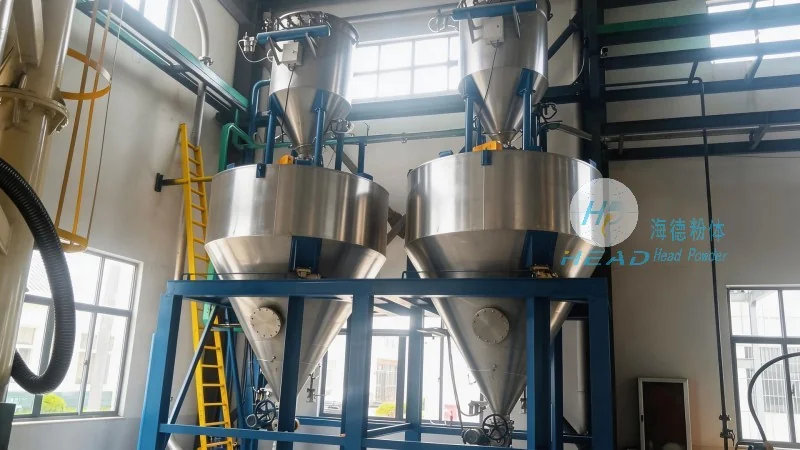
To ensure the long-term reliability and performance of the cement dry ash powder pneumatic conveying system, regular maintenance is essential. The maintenance schedule typically includes cleaning the conveying pipeline, checking the air compressor for wear and tear, and inspecting the material hopper for blockages. Regular maintenance helps prevent system failures and extends the lifespan of the equipment. In case of operational issues, troubleshooting steps are necessary. Common problems include blockages in the pipeline, which can be caused by moisture or excessive material buildup. Solutions may involve increasing the air pressure or using a cleaning tool to remove the blockage. Another common issue is air leakage, which can reduce the conveying efficiency. This can be addressed by checking and tightening the connections in the pipeline and compressor.
Conclusion
The cement dry ash powder pneumatic conveying system developed by Shandong HeadPowder Engineering Co., Ltd. is a highly efficient and reliable solution for the transportation of cement dry ash powder. By leveraging the principles of pneumatic conveying, the system ensures safe, clean, and cost-effective material movement. With proper operation and maintenance, the system can meet the demands of various industrial applications, contributing to improved productivity and reduced operational costs.