

Operation Process and Working Principle of Soil Powder Pneumatic Conveying Lines
Soil powder pneumatic conveying lines are advanced industrial equipment designed to transport dry powder materials, such as soil, powders, and fine particulate substances, through a pipeline system using air pressure. This technology offers a dust-free, efficient, and flexible solution for material handling in various industries, including construction, mining, and environmental remediation. The system typically consists of a blower, a hopper for material storage, a pipeline network, and a discharge outlet, enabling seamless material transfer from the source to the destination.
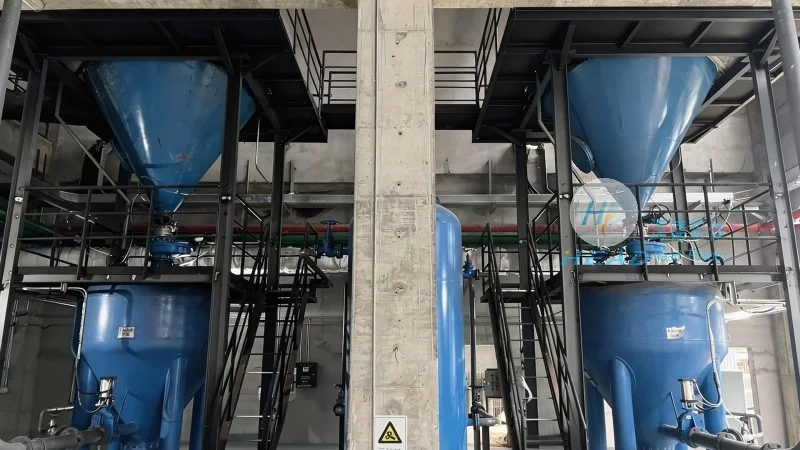
Company Overview: Shandong HeadPowder Engineering Co., Ltd.
HeadPowder, a leading manufacturer in the field of pneumatic conveying systems, specializes in providing high-quality soil powder conveying solutions. With a strong commitment to innovation and customer satisfaction, the company has established itself as a trusted partner for businesses seeking reliable and efficient material handling equipment. HeadPowder’s products are engineered to meet the diverse needs of different industries, ensuring optimal performance and durability under various operational conditions. The company’s headquarters is located in Shandong, China, where it conducts research, development, and manufacturing to deliver cutting-edge solutions to global markets.
Key Components of the Pneumatic Conveying System
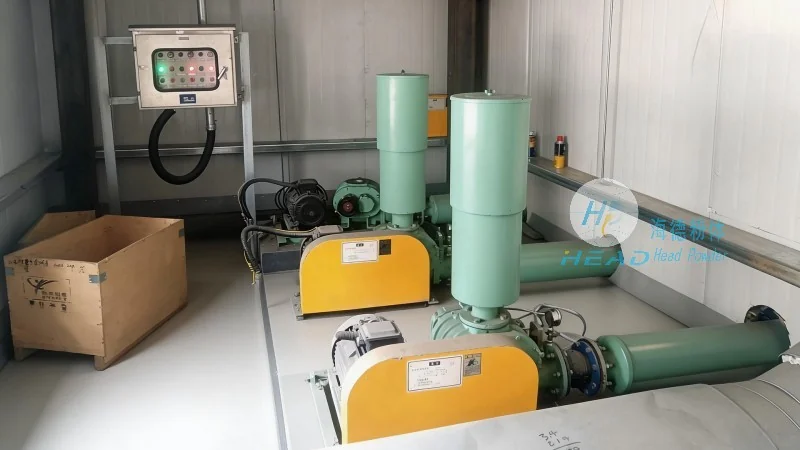
The soil powder pneumatic conveying line comprises several critical components that work in harmony to achieve effective material transport. The primary components include a positive displacement blower or a centrifugal fan, which generates the necessary air pressure to move the powder through the pipeline. The material is fed into the system via a hopper or a feeder, which ensures a consistent flow rate. The pipeline network, usually made of stainless steel or other corrosion-resistant materials, is designed to handle the specific characteristics of the soil powder, such as particle size, moisture content, and abrasiveness. Additionally, the system may include a filter or a cyclone separator to remove any fine particles from the air before it is released back into the environment, ensuring compliance with environmental regulations.
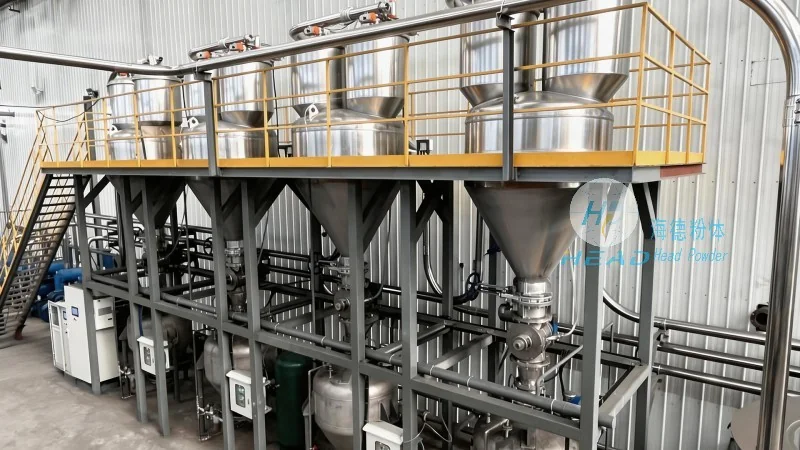
Operation Process of the Soil Powder Pneumatic Conveying Line
The operation of the soil powder pneumatic conveying line involves several sequential steps that ensure efficient and safe material transfer. First, the soil powder is loaded into the hopper or feeder, where it is stored until needed. The feeder then regulates the flow of material into the pipeline, maintaining a consistent feed rate. Next, the blower or fan generates the required air pressure, which is introduced into the pipeline at the inlet. As the air flows through the pipeline, it carries the soil powder particles along with it, creating a slurry-like mixture. The mixture travels through the pipeline network to the discharge outlet, where the material is deposited at the desired location. The system may include a control panel that monitors the pressure, flow rate, and other parameters, allowing operators to adjust the settings as needed to optimize performance. The entire process is automated, reducing the need for manual intervention and minimizing the risk of dust exposure or material spillage.
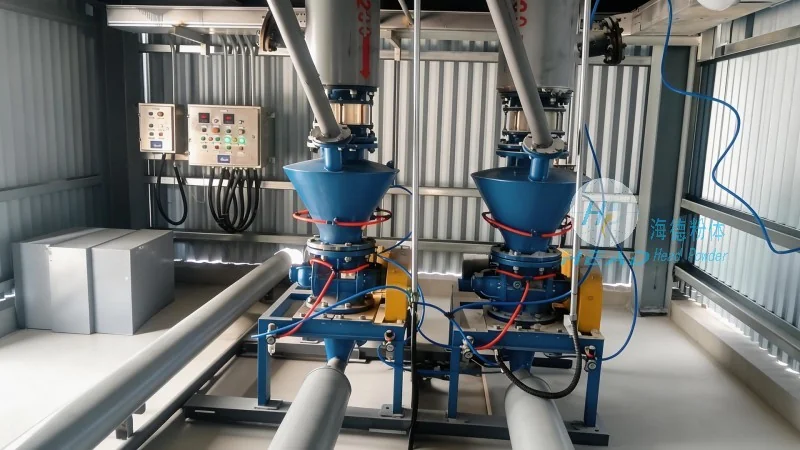
Working Principle of the Pneumatic Conveying System
The working principle of the soil powder pneumatic conveying line is based on the principle of fluidization and pneumatic transport. The air pressure generated by the blower creates a pressure differential between the inlet and the outlet of the pipeline. This pressure differential forces the air to flow through the pipeline, carrying the soil powder particles along with it. The velocity of the air in the pipeline is critical; it must be sufficient to overcome the gravitational force acting on the powder particles and to prevent them from settling or clogging the pipeline. The system operates in either positive or negative pressure mode, depending on the application. In positive pressure mode, the pipeline is pressurized, and the air and powder are discharged at the outlet. In negative pressure mode, the pipeline is under vacuum, and the material is drawn into the system from the hopper. The choice of mode depends on factors such as the distance of the transport, the type of material, and the environmental considerations.
Advantages of Using Soil Powder Pneumatic Conveying Lines
Soil powder pneumatic conveying lines offer several advantages over traditional material handling methods, such as belt conveyors or bucket elevators. One of the key benefits is the ability to transport materials in a dust-free environment, which improves workplace safety and reduces the risk of respiratory illnesses among workers. The system also provides flexibility in terms of layout, as the pipeline can be installed in various configurations, including vertical, horizontal, or a combination of both, to suit the specific requirements of the facility. Additionally, the system is compact and requires less floor space compared to other material handling equipment, making it ideal for applications with limited space. The efficiency of the system is another significant advantage, as it can transport large quantities of material over long distances with minimal energy consumption. The low maintenance requirements and long service life of the equipment further contribute to its cost-effectiveness, making it a preferred choice for many industries.
Applications of Soil Powder Pneumatic Conveying Lines
Soil powder pneumatic conveying lines are widely used in various industries due to their versatility and efficiency. In the construction industry, they are used to transport soil, cement, and other dry materials to different parts of the construction site, ensuring smooth and timely project execution. The mining industry utilizes these systems to transport ore and other minerals from the mine to processing facilities, improving the overall productivity of the operation. Environmental remediation projects also benefit from the use of pneumatic conveying lines, as they can transport contaminated soil or waste materials to treatment facilities without generating dust or causing environmental contamination. Additionally, the system is used in the chemical and pharmaceutical industries to handle powders that are sensitive to moisture or contamination, ensuring product quality and safety. The adaptability of the system to different materials and applications makes it a valuable asset for businesses in various sectors.