

Introduction to Sweet Potato Pneumatic Conveying Systems: Structure and Working Principles
Shandong HeadPowder Engineering Co., Ltd., commonly known as headpowder, is a professional manufacturer and supplier based in Shandong, China. The company specializes in the design, development, and production of advanced pneumatic conveying systems tailored for various industrial applications, including the processing of agricultural products like sweet potatoes.
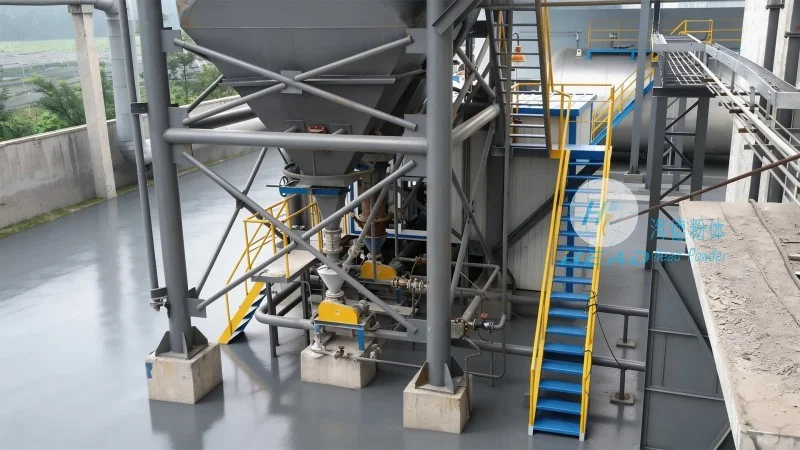
Overview of Sweet Potato Pneumatic Conveying Systems
Sweet potato pneumatic conveying systems are essential equipment in the agricultural processing industry, designed to efficiently transport sweet potato materials from one location to another within a processing facility. These systems utilize air as the primary medium to move bulk materials, offering a clean, dust-free, and low-maintenance solution compared to traditional mechanical conveying methods. The primary goal of such systems is to enhance the productivity and hygiene of sweet potato processing operations, ensuring that the materials are handled gently to preserve their quality and nutritional value.
Detailed Structure of the Pneumatic Conveying System
The sweet potato pneumatic conveying system typically consists of several key components, each playing a crucial role in the overall operation. The main components include the material feeding unit, air supply system, conveying pipeline network, separation and collection equipment, and control system. The material feeding unit is responsible for introducing sweet potato pieces or pulp into the system, often equipped with adjustable feed mechanisms to control the flow rate. The air supply system, usually powered by a high-pressure blower or fan, generates the necessary airflow to move the materials through the pipeline. The conveying pipeline network is made of durable materials like stainless steel or food-grade plastic, designed to withstand the abrasion and moisture from sweet potato processing. The separation and collection equipment, such as cyclone separators or bag filters, are used to separate the conveyed materials from the air and collect them in designated storage or processing areas. The control system integrates all components, allowing for automated operation and real-time monitoring of the conveying process.
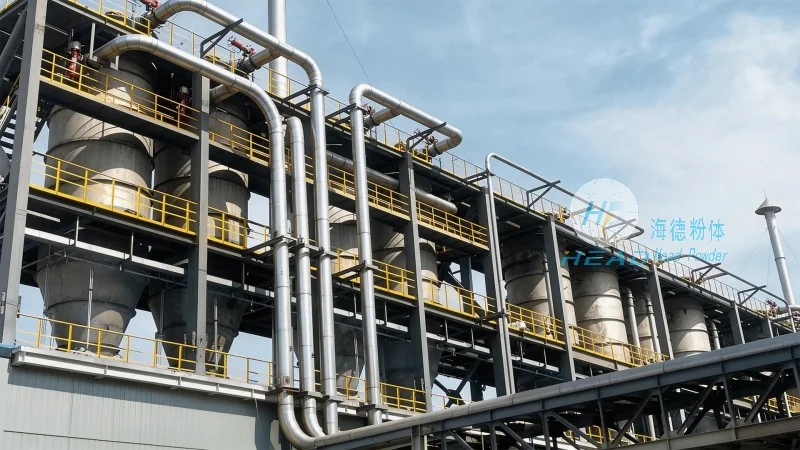
Working Principle of the System
The operation of the sweet potato pneumatic conveying system follows a simple yet effective principle: air is forced through the conveying pipeline at a high velocity, creating a negative pressure or positive pressure environment that pulls or pushes the sweet potato materials along with it. In a typical positive pressure system, the blower pushes air into the pipeline, carrying the sweet potato pieces forward. The air and materials then enter the separation unit, where the air is filtered out and the sweet potato material is collected. The air is then either recirculated or discharged, depending on the system design. This process allows for continuous and uninterrupted material transport, minimizing downtime and increasing overall efficiency. The system is designed to handle various forms of sweet potato materials, including whole tubers, sliced pieces, or processed pulp, adapting to different processing stages with minimal adjustments.
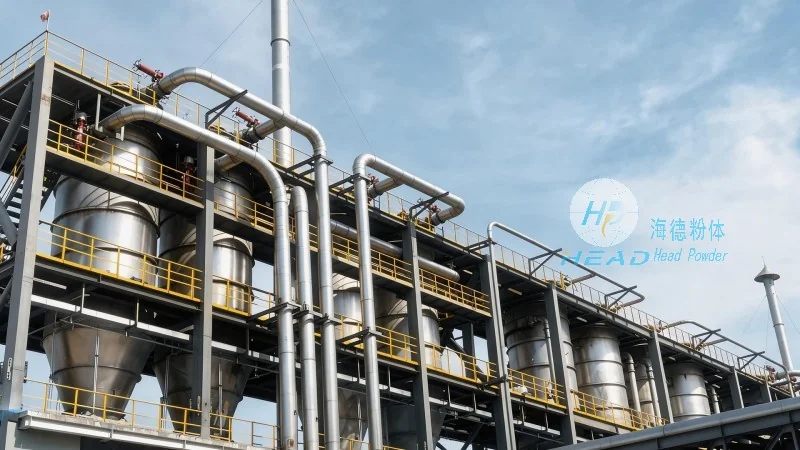
Technical Advantages of the System
Compared to traditional mechanical conveyors, sweet potato pneumatic conveying systems offer several significant advantages. Firstly, they provide a dust-free and hygienic environment, which is crucial for food processing applications, as it helps maintain the quality and safety of the final products. Secondly, the system is highly efficient in terms of energy consumption, as the air flow can be precisely controlled to match the material handling requirements, reducing unnecessary energy waste. Thirdly, the system is low-maintenance, with fewer moving parts compared to mechanical conveyors, which reduces the risk of breakdowns and lowers long-term operational costs. Additionally, the gentle handling of materials by the air flow minimizes damage to sweet potatoes, preserving their texture and nutritional content. These advantages make the pneumatic conveying system an ideal choice for modern sweet potato processing facilities that prioritize efficiency, hygiene, and product quality.
Application Scenarios
Sweet potato pneumatic conveying systems are widely used in various stages of sweet potato processing, from raw material handling to final product packaging. In the initial processing stage, the system can be used to transport freshly harvested sweet potatoes from the storage area to the cleaning and peeling equipment. The gentle handling ensures that the tubers are not damaged during transport, which is essential for maintaining their market value. During the processing stage, the system can convey sliced or grated sweet potato pieces to the cooking or drying equipment, where they are further processed into products like sweet potato chips, puree, or flour. The system can also transport processed sweet potato pulp to storage tanks or packaging lines, ensuring a smooth and continuous production flow. In addition, the system can be integrated with other processing equipment, such as grinders or mixers, to form a complete processing line, enhancing the overall productivity of the facility. By using a pneumatic conveying system, sweet potato processing plants can achieve higher throughput, reduce labor costs, and improve the quality of their final products, making it a valuable investment for any modern processing operation.