

Introduction to Grain Pneumatic Conveying Systems: Structure and Working Principles
Grain pneumatic conveying systems are essential equipment in modern agricultural and food processing industries, designed to efficiently transport bulk materials like grains, powders, and other dry bulk solids. These systems offer a reliable and flexible solution for moving materials over short to medium distances, often replacing traditional mechanical conveying methods such as belt conveyors or bucket elevators. The technology behind these systems leverages the principles of fluid dynamics to create a controlled flow of material through a pipeline using air or other gases.
Company Overview: HeadPowder
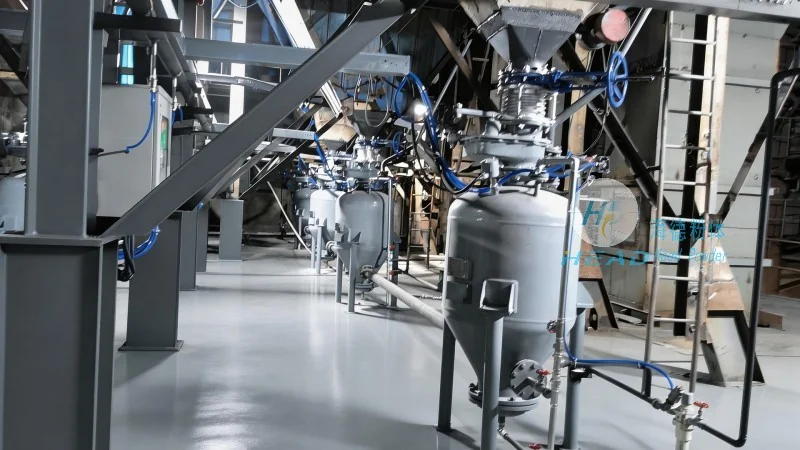
HeadPowder, formally known as Shandong HeadPowder Engineering Co., Ltd., is a leading manufacturer specializing in the design, development, and production of advanced pneumatic conveying systems. With its headquarters located in Shandong, China, the company has established itself as a trusted provider of high-quality industrial solutions tailored to the needs of the agricultural and food processing sectors. HeadPowder's commitment to innovation and precision engineering ensures that their products meet stringent industry standards and deliver optimal performance in various operational environments.
Basic Structure of Grain Pneumatic Conveying Systems
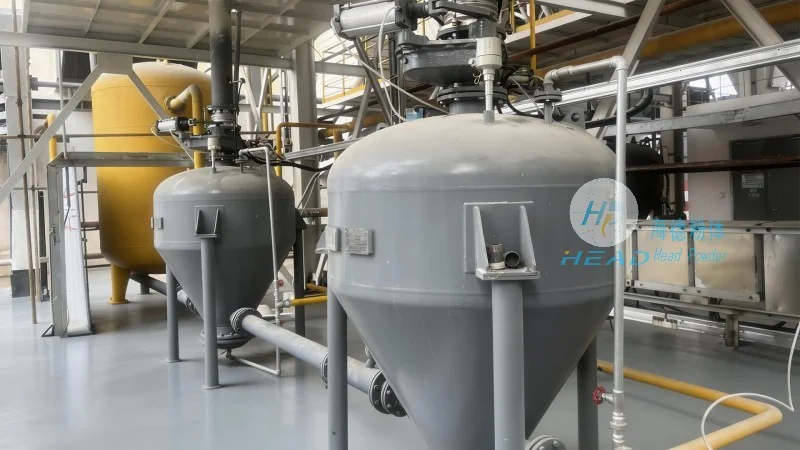
At its core, a grain pneumatic conveying system consists of several key components that work in concert to facilitate material transport. The primary elements include a hopper or feeder for material storage and feeding, a conveying pipeline (typically made of metal or plastic), a fan or blower to generate the necessary air flow, and a discharge unit for material release. Additionally, systems may incorporate accessories such as cyclones for material separation, filters to maintain air quality, and control valves to regulate flow rates. Each component is strategically designed to ensure smooth operation and minimal downtime, contributing to the overall efficiency of the conveying process.
Working Principles of Pneumatic Conveying
The operation of a grain pneumatic conveying system is based on the principle of fluidization and suspension of the bulk material within a moving air stream. When air is introduced into the conveying pipeline at a controlled velocity, it creates a pressure differential that lifts and transports the material particles. There are two main types of pneumatic conveying systems: dilute-phase and dense-phase. Dilute-phase systems operate at higher air velocities, allowing material to be carried in a suspended state, while dense-phase systems use lower air velocities and higher material concentrations, resulting in a more compact flow. The choice between these systems depends on factors such as material characteristics, distance to be covered, and desired flow rates. In both cases, the system's design ensures that the material is transported without excessive wear or degradation, maintaining product quality throughout the process.
Key Components and Their Functions
Each component of a grain pneumatic conveying system plays a critical role in its overall performance. The hopper or feeder is responsible for storing the bulk material and feeding it into the system at a consistent rate, preventing blockages and ensuring a steady flow. The fan or blower generates the necessary air pressure and flow rate to move the material through the pipeline. The conveying pipeline, usually made of stainless steel or other corrosion-resistant materials, is designed to withstand the pressure and temperature variations encountered during operation. Cyclones are often used to separate the conveyed material from the air stream, allowing the material to be discharged while the air is filtered and recirculated. Control valves and sensors are integrated to monitor and adjust the system's performance in real-time, ensuring optimal operation and preventing issues such as overloading or air leaks.
Applications and Benefits
Grain pneumatic conveying systems find wide applications in various industries, including agriculture, food processing, pharmaceuticals, and chemical manufacturing. In the agricultural sector, these systems are commonly used for transporting grains from storage silos to processing facilities or for moving raw materials between different stages of production. The food processing industry benefits from the hygienic and dust-free nature of pneumatic conveying, which helps maintain product quality and compliance with food safety regulations. Additionally, the flexibility of these systems allows for easy integration into existing production lines, reducing the need for extensive modifications or reconfigurations.
Advantages of Pneumatic Conveying Over Traditional Methods
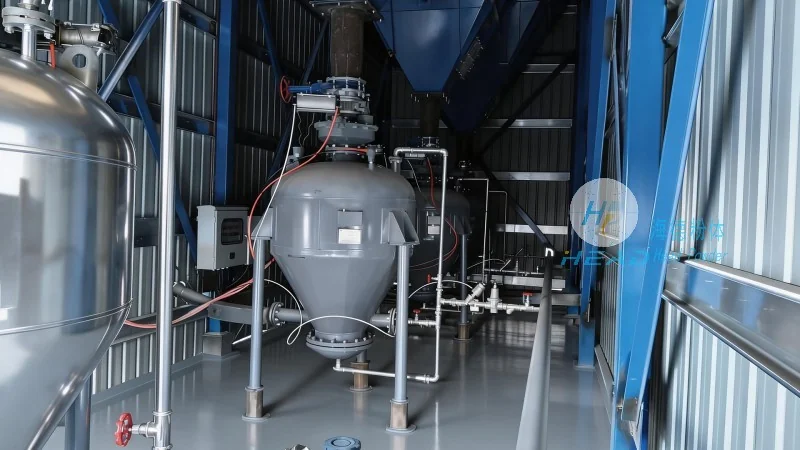
Compared to traditional mechanical conveying methods, grain pneumatic conveying systems offer several advantages. First, they eliminate the need for physical contact between the material and the conveying equipment, reducing the risk of contamination and product degradation. Second, the systems are highly flexible, allowing for changes in material flow direction or distance without major structural modifications. Third, pneumatic conveying can handle a wide range of materials, including fine powders and granules, which may be difficult to transport using belt conveyors. Finally, the systems are generally more energy-efficient, as they can transport materials over longer distances with less power consumption compared to other methods.
Conclusion
Grain pneumatic conveying systems represent a sophisticated and efficient solution for bulk material transport in modern industries. By understanding the structure and working principles of these systems, as well as the key components and their functions, users can make informed decisions about their application. HeadPowder, with its expertise and commitment to quality, continues to provide reliable and innovative pneumatic conveying solutions that meet the evolving needs of the agricultural and food processing sectors. Whether for short-distance or long-distance transport, these systems offer a versatile and effective approach to material handling, ensuring optimal performance and product integrity.