

Introduction to Small Material Pneumatic Conveying Systems: Structure and Working Principles
HeadPowder, a leading manufacturer based in Shandong, China, specializes in the design and production of pneumatic conveying systems tailored for small material handling. This article provides an overview of the small material pneumatic conveying line, detailing its structural components and operational principles to help clients understand its functionality and application.
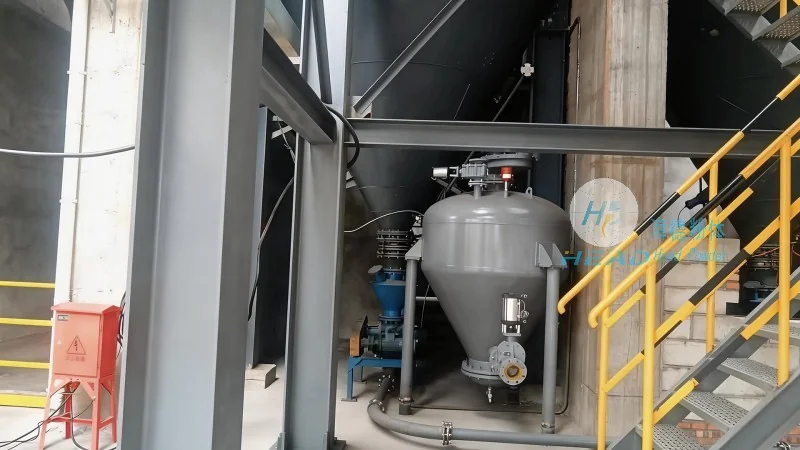
Overview of Small Material Pneumatic Conveying Systems
Small material pneumatic conveying systems are engineered to efficiently transport fine or granular materials such as powders, granules, and small particles over short to medium distances. These systems are widely used in industries like food processing, pharmaceuticals, chemicals, and agriculture due to their ability to handle delicate materials without causing contamination or degradation. The core of such systems lies in the combination of air flow and mechanical components that facilitate the movement of materials through pipelines.
Key Structural Components of the System
The small material pneumatic conveying line typically consists of several essential components that work in tandem to achieve effective material transport. These include:
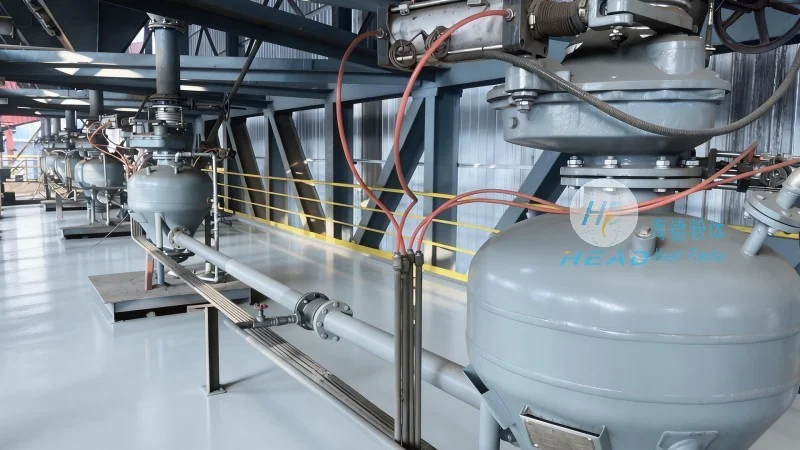
- Feeder Unit: This component is responsible for feeding the material into the conveying system. It ensures a consistent and controlled flow of small particles, preventing blockages and maintaining system efficiency.
- Pneumatic Conveying Pipe: The main pipeline through which the material and air mixture travels. The pipe is designed to withstand the pressure and flow conditions while minimizing material loss or degradation.
- Air Compressor and Blower: These devices generate the necessary air pressure and flow to move the material through the pipeline. The choice of compressor or blower depends on the material characteristics, conveying distance, and system capacity.
- Control Valves and Regulators: These components regulate the air pressure and flow rate, allowing for precise control over the conveying process. They help maintain optimal conditions for different material types and operational scenarios.
- Receiver and Discharge Unit: The receiver collects the conveyed material, while the discharge unit ensures the material is released in a controlled manner, often into a storage or processing vessel.
Working Principles of the Pneumatic Conveying Process
The operation of a small material pneumatic conveying system is based on the principle of fluidization and air suspension. The feeder unit introduces the small material into the conveying pipe, where it is mixed with high-velocity air from the compressor or blower. This creates a suspension of material particles within the air stream, allowing them to be transported through the pipeline. The air flow maintains the material in a fluidized state, preventing it from settling or clogging the pipe. At the receiving end, the air is often separated from the material using a cyclone or filter, and the material is collected in the receiver.
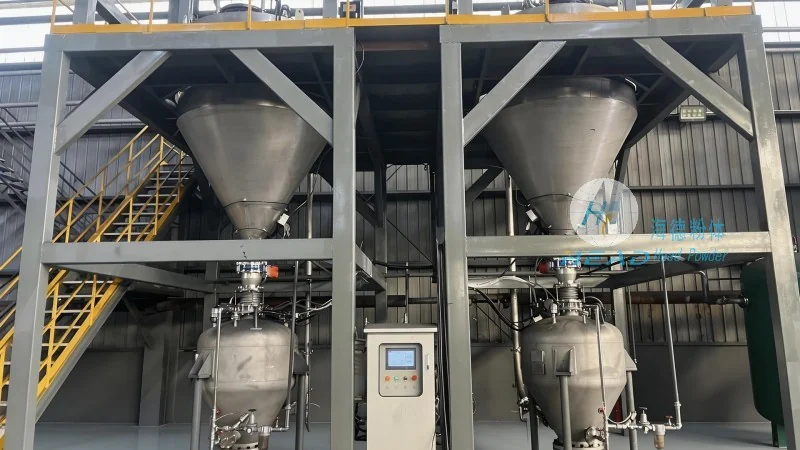
Advantages of Small Material Pneumatic Conveying Systems
HeadPowder's small material pneumatic conveying lines offer several advantages over traditional mechanical conveying methods. These include:
- Non-Contact Material Handling: The system uses air to transport materials without physical contact, reducing the risk of contamination and material degradation, especially for sensitive products like food and pharmaceuticals.
- Flexibility in Layout: The pneumatic conveying system can be easily integrated into existing production layouts, with the ability to change the direction or length of the pipeline as needed.
- Reduced Maintenance: Compared to mechanical systems, pneumatic conveying systems have fewer moving parts, leading to lower maintenance costs and longer service life.
- Energy Efficiency: Modern air compressors and blowers are designed to be energy-efficient, reducing operational costs while maintaining high conveying performance.
- Scalability: The system can be scaled up or down to meet varying production demands, making it suitable for both small-scale and large-scale applications.
Application Examples
Small material pneumatic conveying systems are applied in various industries to handle different types of materials. For instance, in the food industry, they are used to transport flour, sugar, and other dry ingredients. In the pharmaceutical industry, they convey powders and granules for drug manufacturing. In the chemical industry, they handle fine chemicals and additives. These systems ensure efficient and hygienic material transport, meeting the stringent requirements of each industry.