

Design and Equipment Selection for Corn Starch Pneumatic Conveying
For industrial applications involving corn starch, efficient material handling is crucial to maintain product quality and operational efficiency. Pneumatic conveying systems offer a reliable solution for transporting corn starch, especially in environments where dust control and hygiene are paramount. This article outlines the design calculations and equipment selection process for corn starch pneumatic conveying systems, providing insights into key factors that influence system performance and reliability.
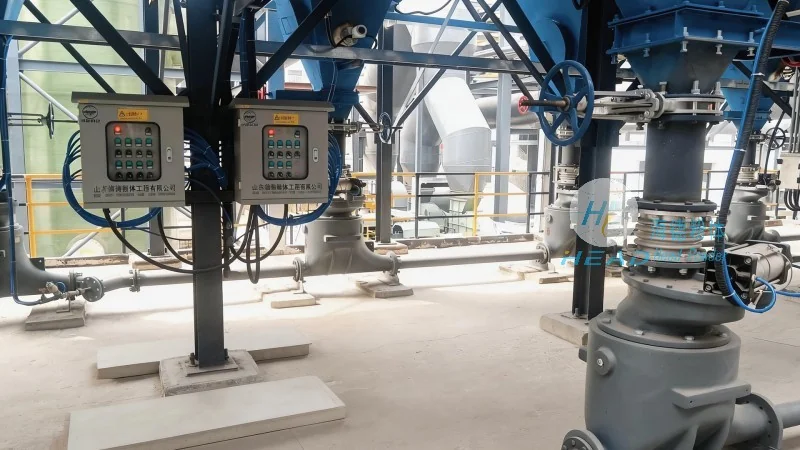
Company Profile: Shandong HeadPowder Engineering Co., Ltd.
HeadPowder, a leading engineering firm based in Shandong, China, specializes in the design, manufacturing, and installation of advanced material handling systems. With years of experience in the food and chemical industries, HeadPowder has developed expertise in optimizing pneumatic conveying solutions for diverse bulk materials, including corn starch. The company's commitment to quality and innovation ensures that its systems meet the stringent requirements of modern processing facilities.
Corn Starch Characteristics and Handling Challenges
Corn starch is a fine, hygroscopic powder with properties that significantly impact pneumatic conveying performance. Its low bulk density, high dust generation potential, and tendency to agglomerate or clog equipment require careful consideration during system design. Key characteristics include a particle size typically ranging from 10 to 200 microns, a moisture content that can affect flowability, and a tendency to form static charges. These factors necessitate specialized equipment and design approaches to ensure smooth and reliable transport.
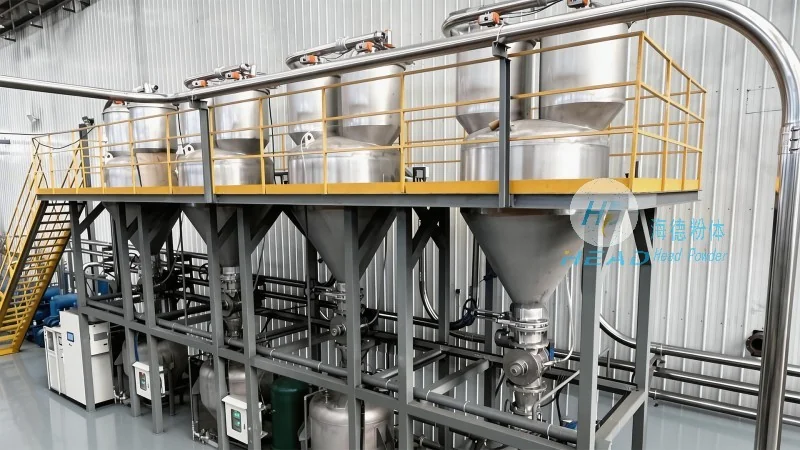
Design Calculations for Pneumatic Conveying Systems
The design of a corn starch pneumatic conveying system involves several critical calculations to determine the appropriate air flow rate, pressure, and equipment specifications. The first step is to assess the material's bulk density and flow properties, which are essential for determining the required conveying velocity. The conveying velocity must be sufficient to prevent material settling in the pipeline but not so high as to cause excessive wear or energy consumption. HeadPowder engineers use industry-standard formulas, such as the Lockhart-Martinelli correlation for two-phase flow, to calculate the necessary air velocity and pressure drop across the system.
Another critical calculation is the determination of the air flow rate, which is influenced by the material's flowability and the system's configuration (e.g., dilute phase vs. dense phase). The air flow rate is typically calculated based on the material's bulk density, the desired conveying rate, and the pipeline diameter. For corn starch, a dilute phase system is often preferred due to its lower energy consumption and simpler design compared to dense phase systems. However, in applications where high material loading is required, dense phase conveying may be necessary, requiring additional calculations for pressure and flow control.
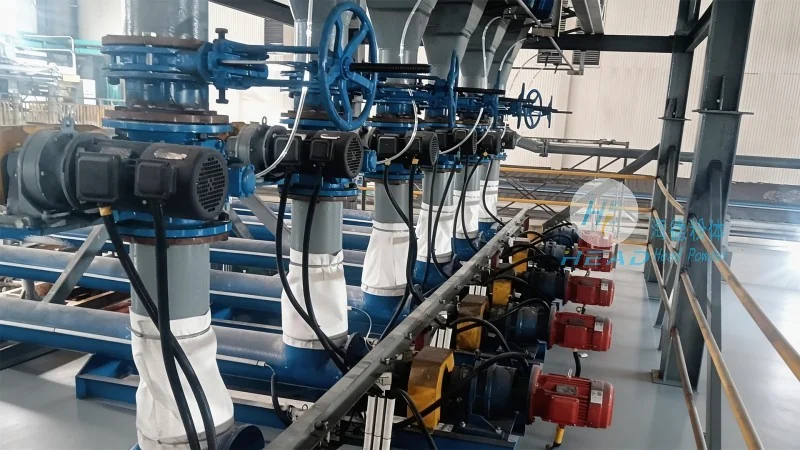
Equipment Selection for Corn Starch Pneumatic Conveying
Equipment selection is a critical step in ensuring the long-term performance and reliability of a corn starch pneumatic conveying system. HeadPowder offers a range of equipment tailored to the specific needs of corn starch handling, including feeders, cyclones, filters, and pipeline components. The selection process considers factors such as material characteristics, conveying distance, and system pressure. For example, rotary feeders are commonly used for corn starch due to their ability to handle fine powders and maintain consistent flow rates. Cyclones are selected based on the required separation efficiency, with higher efficiency models used for applications where dust control is critical.
Pipeline design is another key consideration, as the diameter and material of the pipeline affect pressure drop and material flow. Stainless steel is often preferred for corn starch systems due to its corrosion resistance and hygiene properties. The pipeline layout is designed to minimize bends and changes in direction, which can cause material accumulation and pressure losses. Additionally, the system includes pressure relief valves and filters to protect equipment from overpressure and contamination.
System Integration and Commissioning
HeadPowder's expertise extends beyond equipment selection to system integration and commissioning. The company works closely with clients to understand their specific processing requirements and integrates the pneumatic conveying system with existing infrastructure. Commissioning involves testing the system under various operating conditions to ensure it meets the design specifications and operates efficiently. This includes verifying air flow rates, pressure drops, and material conveying rates, as well as conducting dust control and hygiene assessments.
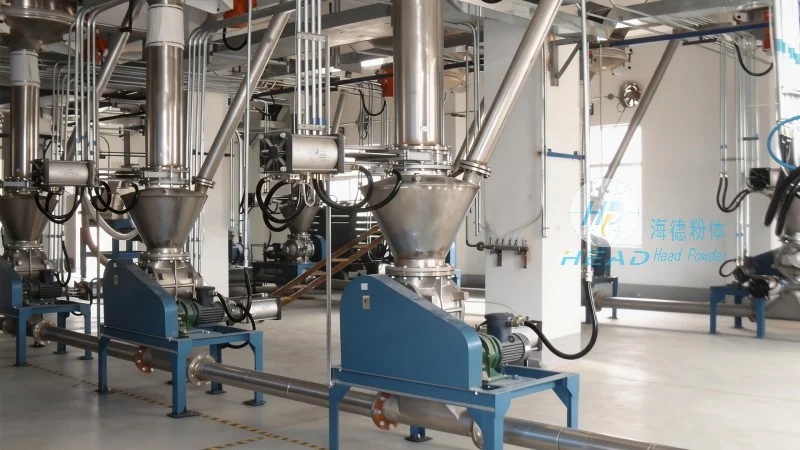
Benefits of Corn Starch Pneumatic Conveying Systems
Implementing a properly designed and equipped corn starch pneumatic conveying system offers several benefits for industrial operations. These include improved product quality through reduced exposure to air and contamination, enhanced operational efficiency through automated material handling, and cost savings from reduced labor and equipment wear. Additionally, pneumatic conveying systems provide better dust control compared to mechanical systems, contributing to a safer and more environmentally friendly workplace.
Conclusion
Designing and selecting the right equipment for corn starch pneumatic conveying requires a comprehensive understanding of material properties, system dynamics, and operational requirements. HeadPowder Engineering Co., Ltd., with its expertise in material handling and engineering, provides tailored solutions that address the unique challenges of corn starch processing. By following a systematic approach to design calculations and equipment selection, industrial facilities can achieve reliable, efficient, and cost-effective material transport, ensuring optimal performance and product quality.