

Design Considerations for Dry Gravel Pneumatic Conveying Systems
When designing a dry gravel pneumatic conveying system, several critical factors must be considered to ensure optimal performance, efficiency, and longevity. The system's success depends on meticulous planning and adherence to industry best practices, which are essential for handling dry gravel materials effectively.
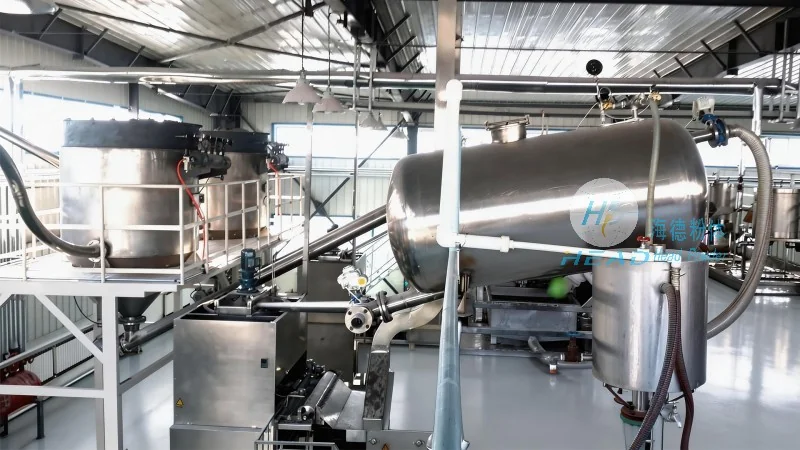
Key Design Considerations for Dry Gravel Pneumatic Conveying
One of the primary considerations is the selection of the appropriate conveying method. For dry gravel applications, suction or pressure systems are commonly used, each with distinct advantages and limitations. Suction systems are ideal for short-distance, low-pressure conveying, while pressure systems are better suited for longer distances and higher material loads. The choice between these methods impacts the overall system cost, energy consumption, and material handling capabilities.
Material Properties and System Sizing
The physical properties of the dry gravel, such as particle size, density, and moisture content, directly influence system design. Larger or irregularly shaped particles may require higher air velocities and larger duct diameters to prevent blockages and ensure smooth flow. Moisture content is another critical factor, as excessive moisture can lead to material clumping or increased friction, reducing system efficiency. Proper material testing and analysis are essential to determine the optimal air-to-material ratio and system dimensions.
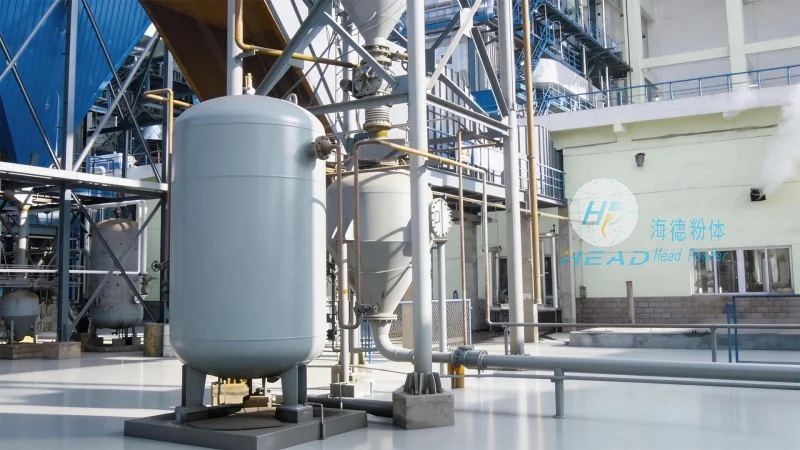
Component Selection and Installation
Component selection plays a vital role in the system's performance. High-quality air blowers or fans must be chosen to provide sufficient air pressure and volume, matching the material's specific conveying requirements. The blower's capacity should be calculated based on the material's flow rate, duct length, and elevation changes. Ductwork design is equally important; smooth, straight ducts with minimal bends and appropriate diameter are crucial to minimize pressure losses and maintain consistent air flow. Proper installation, including secure connections and appropriate support, prevents leaks and ensures the system operates at peak efficiency.
Control Systems and Automation
Advanced control systems enhance the system's reliability and operational efficiency. Automated controls can regulate air pressure, material flow, and system startup/shutdown sequences, reducing human error and optimizing energy use. Sensors and monitoring devices, such as pressure gauges and flow meters, provide real-time data on system performance, allowing for immediate adjustments and troubleshooting. This integration of automation and monitoring is essential for maintaining consistent material delivery and preventing system downtime.
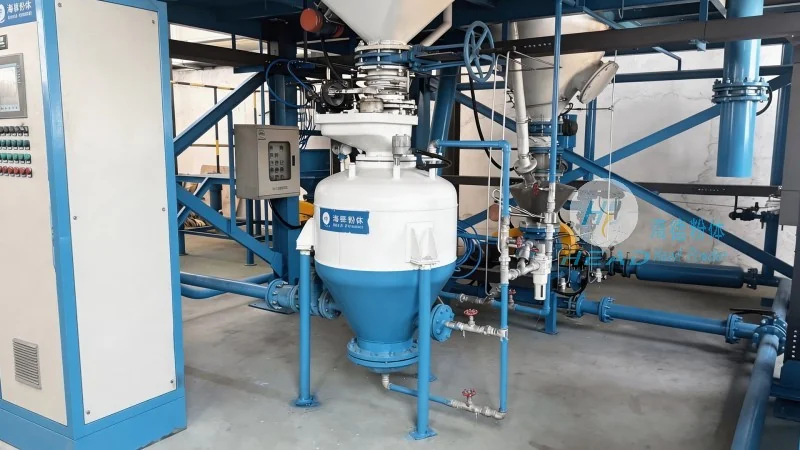
Maintenance and Longevity
Regular maintenance is critical to extending the system's lifespan and ensuring consistent performance. Routine checks of blower performance, duct cleanliness, and component wear are necessary to identify and address issues before they escalate. Proper maintenance schedules, including filter replacement and lubrication, prevent system failures and reduce repair costs. By adhering to a proactive maintenance plan, users can maximize the system's efficiency and minimize operational disruptions.
About Shandong HeadPowder Engineering Co., Ltd.
Shandong HeadPowder Engineering Co., Ltd., operating under the brand name headpowder, is a leading provider of specialized engineering solutions for material handling systems. With a focus on innovation and customer satisfaction, the company designs and manufactures high-quality pneumatic conveying systems tailored to the unique needs of various industries. Headpowder's expertise in dry gravel and bulk material handling ensures that clients receive reliable, efficient, and cost-effective solutions. The company's commitment to quality and service has established it as a trusted partner in the material handling sector, serving clients across China and beyond.