

Design Considerations for Pearl Salt Granule Pneumatic Conveying Systems
When designing a pneumatic conveying system for pearl salt granules, several critical factors must be considered to ensure efficiency, reliability, and long-term performance. Pearl salt, with its unique granular properties, requires a tailored approach to material handling that addresses both the physical characteristics of the salt and the operational demands of the process. This article outlines key design considerations, focusing on the technical aspects that influence system performance and longevity.
Understanding the Material Characteristics of Pearl Salt
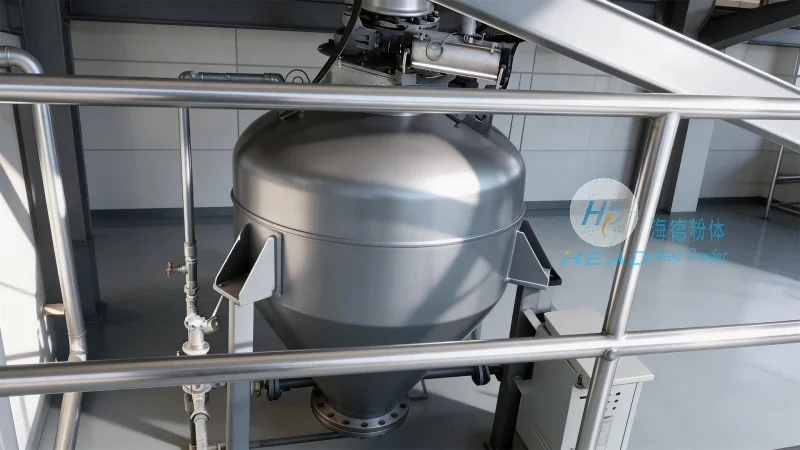
Pearl salt, also known as refined salt, is characterized by its fine to medium granular structure, which can range from 0.5 to 2.0 millimeters in diameter. The material's density, typically around 2.16 g/cm³, and its flowability are crucial parameters that affect the selection of conveying equipment. The hygroscopic nature of pearl salt means it can absorb moisture from the air, potentially leading to caking or blockages if not properly managed. These characteristics necessitate a system design that minimizes material degradation and ensures consistent flow rates.
System Layout and Component Selection
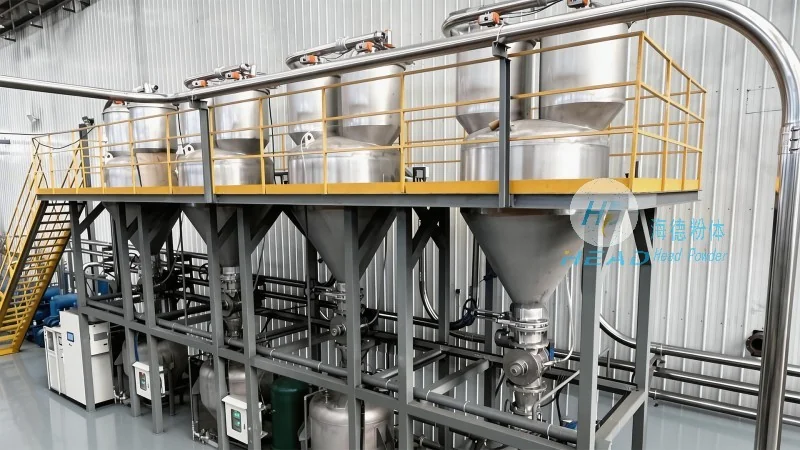
The layout of a pneumatic conveying system for pearl salt must be carefully planned to optimize material transport while minimizing energy consumption. Key components include the hopper, feeder, conveying line, and receiver. The hopper design should provide sufficient storage capacity to accommodate production rates and prevent material bridging, which can occur due to the salt's flow properties. A rotary valve or screw feeder is commonly used to control the discharge rate from the hopper, ensuring a steady flow into the conveying line. The choice of conveying line material—such as stainless steel or corrosion-resistant alloys—is critical, as pearl salt can be corrosive to certain metals over time.
Conveying Methods and Pressure Systems
For pearl salt granules, both positive and negative pressure systems are viable, but the selection depends on the distance and height of the conveying route. Positive pressure systems, which use a blower or compressor to push air and material through the line, are often preferred for short to medium distances due to their ability to handle abrasive materials like pearl salt. Negative pressure systems, which use a vacuum to draw material into the line, are suitable for longer distances but require careful maintenance to prevent dust emissions. The pressure differential and air velocity must be optimized to prevent material degradation and ensure efficient transport.
Preventing Material Degradation and Clogging
Ensuring the integrity of pearl salt during transport is paramount. Clogging can occur in the conveying line or at the receiver due to the salt's tendency to stick to surfaces or form agglomerates. To mitigate this, the system should include features such as inline mixers or vibrators that break up clumps and maintain a consistent flow. The use of smooth, non-stick surfaces in the hopper and conveying line can also reduce material adhesion. Regular cleaning and maintenance of the system are essential to prevent the buildup of salt residue, which can lead to corrosion or blockages.
Energy Efficiency and Operational Costs
Designing an energy-efficient pneumatic conveying system for pearl salt is crucial for reducing operational costs and environmental impact. The selection of the blower or compressor size, along with the air velocity and pressure, directly impacts energy consumption. Optimal system design minimizes excess air flow, which not only saves energy but also reduces wear on components. Additionally, the use of variable frequency drives (VFDs) to control the speed of the feeder and blower can adjust the system's output to match production demands, further enhancing efficiency.
Integration with Existing Facilities
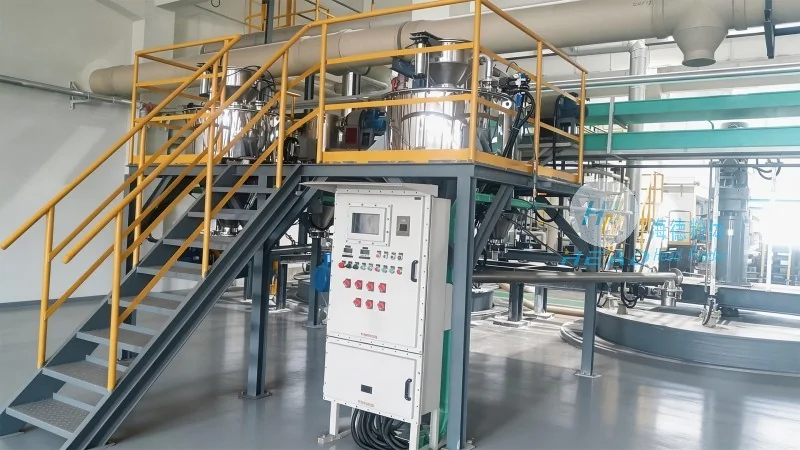
For many industrial applications, integrating a new pneumatic conveying system with existing infrastructure is necessary. This requires careful consideration of space constraints, existing utilities (such as electrical and air supply), and material handling requirements. The system must be designed to fit within the available footprint while maintaining the required conveying capacity. Collaboration with the facility's engineering team is essential to ensure seamless integration and avoid disruptions to ongoing operations.
Maintenance and Longevity of the System
Proper maintenance is critical to the long-term performance of a pearl salt pneumatic conveying system. Regular inspections of components such as the hopper, feeder, and conveying line are necessary to detect wear or damage early. The use of corrosion-resistant materials and protective coatings can extend the system's lifespan, especially in environments where the salt is highly corrosive. Training operators on proper system operation and maintenance procedures is also vital to prevent issues such as over-pressurization or improper feeding, which can lead to system failure.
Conclusion and Company Expertise
Designing an effective pneumatic conveying system for pearl salt granules requires a comprehensive understanding of the material's properties and the technical requirements of the process. By addressing key considerations such as material characteristics, system layout, and maintenance, operators can achieve reliable and efficient material handling. Shandong HeadPowder Engineering Co., Ltd., a leading provider of engineering solutions for bulk material handling, specializes in designing and implementing customized pneumatic conveying systems tailored to the unique needs of industries like food processing and chemical manufacturing. With a focus on quality and customer satisfaction, HeadPowder delivers systems that meet the highest standards of performance and durability, ensuring long-term success for their clients.