

Electrode Material Pneumatic Conveying Technology: Principles, Applications, and Development Trends
Electrode material pneumatic conveying technology represents a critical component in the modern battery manufacturing industry. This method involves the use of air or other gas streams to transport solid materials, such as lithium cobalt oxide, lithium iron phosphate, and other advanced battery electrode powders. The technology is designed to enhance efficiency, safety, and environmental performance in material handling processes.
Principles of Pneumatic Conveying for Electrode Materials
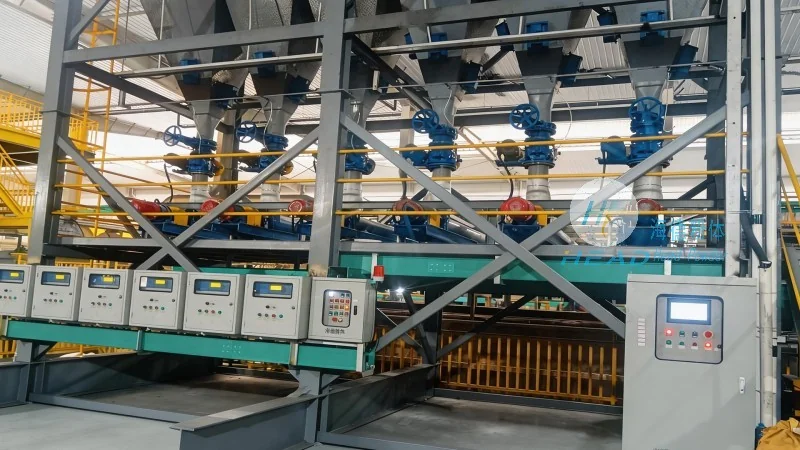
The core principle of pneumatic conveying is the utilization of pressure differentials or vacuum to move particulate materials through a pipeline system. In the context of electrode materials, this technology typically employs either pressure or vacuum systems. Pressure systems use compressed air to push material through the pipeline, while vacuum systems create a negative pressure to draw material in. The choice between these systems depends on factors like material properties, particle size, and the required conveying distance. For instance, pressure systems are often preferred for short to medium distances and materials with low abrasiveness, whereas vacuum systems are suitable for longer distances or materials that are more sensitive to pressure changes.
Key components in a pneumatic conveying system for electrode materials include the material hopper, feeder, conveying line, and receiver. The material hopper stores the electrode powder, and the feeder regulates the flow rate to ensure consistent and controlled material discharge. The conveying line, usually made of stainless steel or other corrosion-resistant materials, transports the material under pressure or vacuum. The receiver collects the material at the destination point, such as a mixing or coating unit. Proper design of these components is essential to prevent material degradation, blockages, and system inefficiencies. For example, headpowder, a leading provider in this field, emphasizes the importance of using high-quality materials and precise engineering to optimize system performance.
Applications in Battery Manufacturing
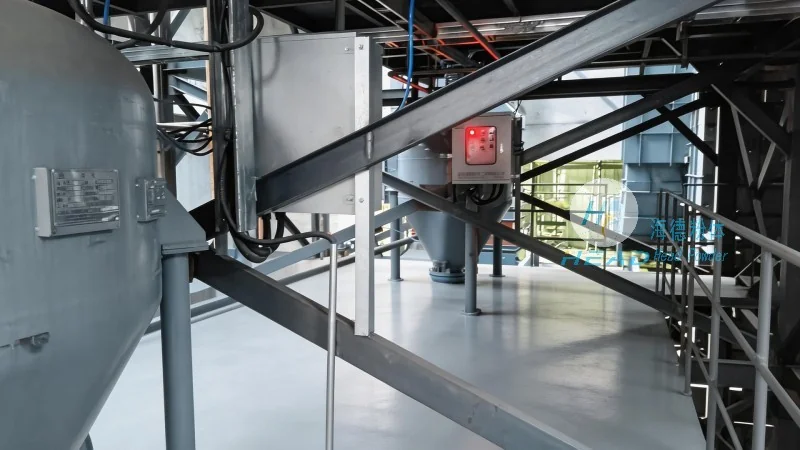
Pneumatic conveying technology is widely applied in various stages of battery production, particularly in the handling of active materials for lithium-ion batteries. One primary application is the transport of raw electrode powders from storage to processing units, such as mixers or extruders. This process ensures that the materials are delivered in a clean, dust-free manner, which is crucial for maintaining product quality and preventing contamination. Another key application is the conveying of mixed or coated electrode powders to the next stage of production, like rolling or slitting. The technology also supports the handling of additives and binders, which are essential components in electrode formulation.
Headpowder Engineering Co., Ltd., based in Shandong, China, specializes in providing customized pneumatic conveying solutions tailored to the specific needs of battery manufacturers. Their systems are designed to handle a wide range of electrode materials, including high-purity lithium compounds and complex metal oxides. The company's expertise lies in integrating advanced control systems that monitor flow rates, pressure, and material levels in real-time, ensuring optimal operation and minimizing downtime. For instance, a typical application involves conveying lithium cobalt oxide from a storage silo to a mixing plant, where the material is combined with other components to form the final electrode slurry. The pneumatic system used by headpowder ensures that the material is transported efficiently without compromising its physical or chemical properties.
Future Trends and Advancements
As the battery industry continues to evolve, the demand for more efficient and sustainable material handling solutions is increasing. Future trends in pneumatic conveying technology for electrode materials include the development of more energy-efficient systems, such as low-pressure or vacuum-assisted conveying, which reduce energy consumption while maintaining performance. Another advancement is the integration of automation and IoT (Internet of Things) technologies to enhance system monitoring and control. This allows for real-time data collection and predictive maintenance, reducing operational costs and improving system reliability.
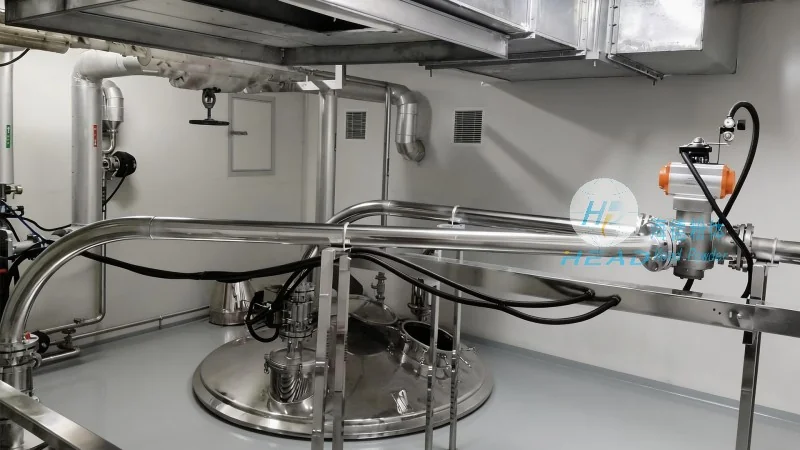
Furthermore, research is focused on improving the handling of high-value and sensitive materials, such as next-generation battery chemistries like solid-state electrolytes. These materials often require more gentle and controlled conveying methods to prevent degradation. Innovations in material handling, including the use of flexible hoses and advanced valve designs, are being explored to address these challenges. Headpowder Engineering Co., Ltd. is at the forefront of these advancements, continuously investing in research and development to provide cutting-edge solutions that meet the evolving needs of the battery industry.
Conclusion
In conclusion, pneumatic conveying technology plays a vital role in the efficient and safe handling of electrode materials in battery manufacturing. The principles, applications, and future trends of this technology are continuously evolving to meet the demands of an increasingly complex and high-performance battery industry. Companies like headpowder, with their expertise and commitment to innovation, are instrumental in providing reliable and efficient solutions that support the growth of the battery sector. As the industry moves forward, the importance of advanced material handling technologies like pneumatic conveying will only continue to grow, ensuring the production of high-quality batteries for various applications.