

[Sawdust and Husk Pneumatic Conveying Technology: Principles, Applications, and Development Trends]
HeadPowder, a leading provider in the field of material handling solutions, specializes in advanced pneumatic conveying systems designed for the efficient transport of sawdust and husk materials. This article explores the fundamental principles, practical applications, and emerging trends in sawdust and husk pneumatic conveying technology, highlighting the expertise of Shandong HeadPowder Engineering Co., Ltd. based in China.
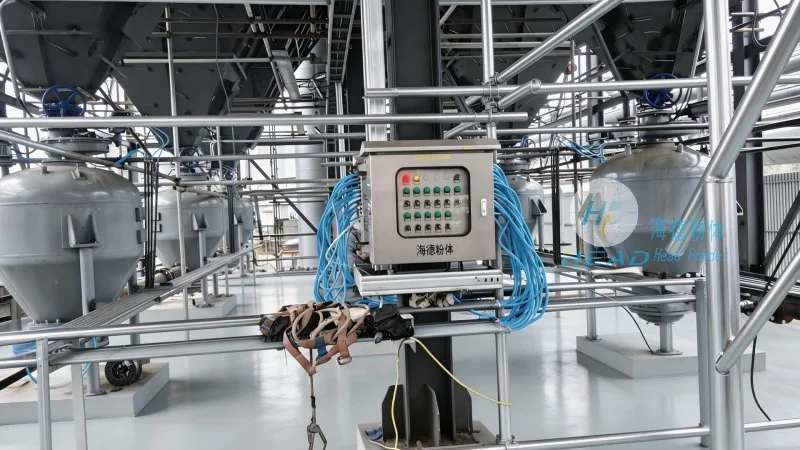
Company Overview and Expertise
Shandong HeadPowder Engineering Co., Ltd., operating under the brand name HeadPowder, is a reputable enterprise headquartered in Shandong, China. The company has established itself as a key player in the development and implementation of specialized pneumatic conveying solutions tailored for the wood processing and agricultural industries. With a focus on innovation and customer-centric design, HeadPowder delivers systems that optimize material handling efficiency while ensuring reliability and durability.
Principles of Pneumatic Conveying for Sawdust and Husk
Pneumatic conveying technology utilizes air flow to transport bulk materials like sawdust and husk through a pipeline system. The core principle involves creating a pressure differential that propels the material from the source to the destination. There are two primary types of pneumatic conveying systems: pressure and vacuum. Pressure systems operate by forcing air into the pipeline under positive pressure, while vacuum systems create a negative pressure environment to draw material into the line. For sawdust and husk, which are typically light and dusty, pressure systems are often preferred due to their ability to handle high volumes and maintain consistent flow rates.
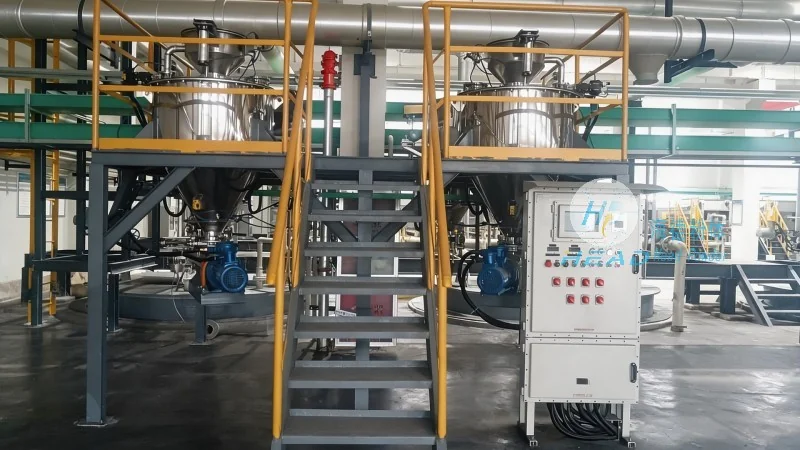
Key Components and System Design
The effectiveness of a sawdust and husk pneumatic conveying system depends on several critical components. These include the material feed hopper, which ensures a consistent supply of material to the conveying line; the air compressor or blower, which generates the necessary air pressure; the pipeline network, which transports the material; and the discharge equipment, such as cyclones or filters, which separate the material from the air stream. HeadPowder engineers carefully design these components to work in harmony, minimizing energy consumption and maximizing material throughput. For example, the use of flexible hoses and adjustable valves allows for system flexibility, enabling easy integration with existing production lines.
Applications in Wood Processing and Agricultural Industries
Sawdust and husk pneumatic conveying systems find widespread application in various industries. In the wood processing sector, these systems are crucial for transporting sawdust from sawmills to storage facilities or for feeding it into pellet mills. The efficient handling of sawdust reduces labor costs and improves production efficiency. Similarly, in agricultural applications, husk pneumatic conveyors are used to move corn husks or other agricultural residues from fields to processing plants. This technology enhances the overall workflow by eliminating the need for manual handling and reducing material loss.
Advantages of Pneumatic Conveying for Sawdust and Husk
Compared to traditional methods like belt conveyors or bucket elevators, pneumatic conveying offers several advantages for sawdust and husk transport. One of the primary benefits is the ability to handle fine, dusty materials without clogging or degradation. The enclosed pipeline system also prevents dust from contaminating the environment, improving workplace safety and compliance with environmental regulations. Additionally, pneumatic systems are more compact and can be installed in tight spaces, making them ideal for modern industrial settings. Furthermore, the energy efficiency of these systems, especially when using high-efficiency blowers, reduces operational costs over time.
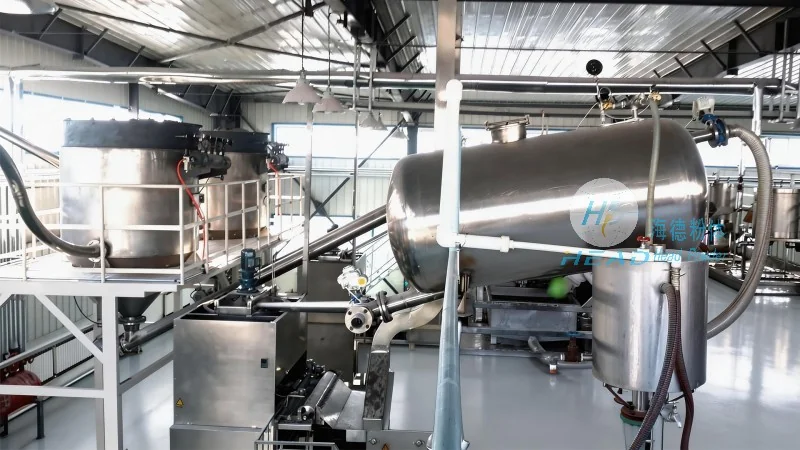
Emerging Trends and Technological Innovations
The field of sawdust and husk pneumatic conveying is continuously evolving, driven by advancements in technology and increasing demand for sustainable material handling solutions. One emerging trend is the integration of automation and control systems, which allow for real-time monitoring and adjustment of conveying parameters. This not only improves operational efficiency but also enhances system reliability. Another innovation is the use of advanced materials for pipeline construction, such as corrosion-resistant stainless steel or high-density polyethylene, which extend the lifespan of the system and reduce maintenance costs. Furthermore, the development of energy recovery systems, which capture and reuse exhaust air, contributes to greater sustainability and cost savings.
Conclusion and Future Outlook
As the demand for efficient and sustainable material handling solutions grows, sawdust and husk pneumatic conveying technology remains a vital component in the wood processing and agricultural industries. Shandong HeadPowder Engineering Co., Ltd. continues to lead the way in developing innovative systems that meet the evolving needs of its clients. By leveraging the principles of pneumatic conveying and incorporating the latest technological advancements, HeadPowder ensures that its solutions are not only effective but also environmentally friendly and cost-efficient. The future of sawdust and husk transport is undoubtedly tied to the continued innovation and application of advanced pneumatic conveying systems, with companies like HeadPowder playing a pivotal role in shaping this industry.