

Cement and Fly Ash Pneumatic Conveying Technology: Principles, Applications, and Development Trends
Cement and fly ash are vital raw materials in the construction and industrial sectors, and their efficient transportation is crucial for production efficiency and cost control. Pneumatic conveying technology offers a reliable solution for handling these materials, providing advantages such as dust-free operation, reduced labor costs, and enhanced safety compared to traditional methods like belt conveyors or trucks. This article explores the principles, applications, and future trends of cement and fly ash pneumatic conveying technology, with a focus on the expertise of Shandong HeadPowder Engineering Co., Ltd. (headpowder), a leading provider in this field.
Principles of Pneumatic Conveying for Cement and Fly Ash
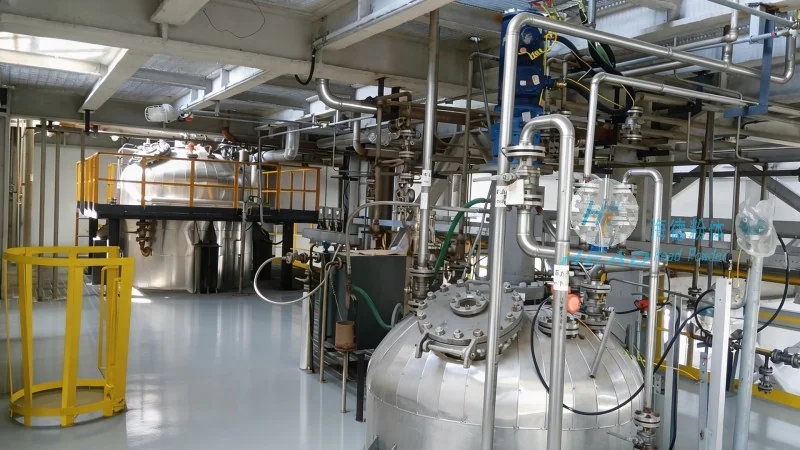
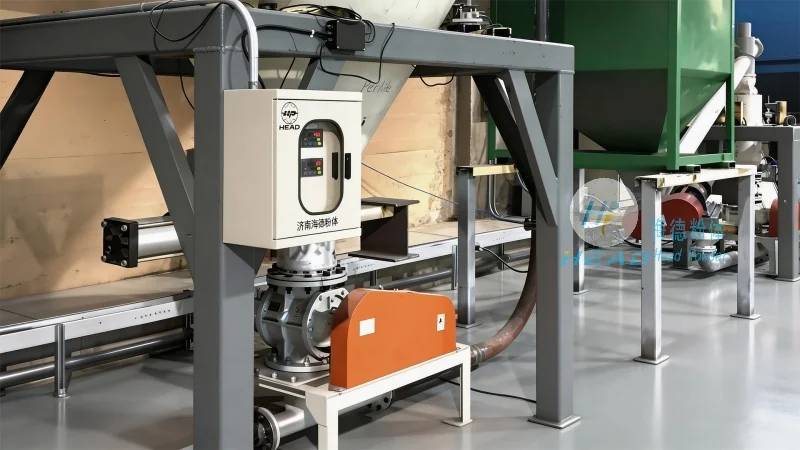
The core principle of pneumatic conveying involves transporting bulk materials through a pipeline using air or gas as the conveying medium. For cement and fly ash, which are fine powders with specific physical properties, the choice of conveying system (suction or pressure) is critical. Suction systems use a vacuum to draw materials from the source, while pressure systems use compressed air to push materials forward. The selection depends on factors like material characteristics, distance, and system complexity. In the case of cement and fly ash, which are prone to agglomeration and require gentle handling, pressure systems are often preferred due to their ability to maintain consistent flow and prevent material degradation. The system typically consists of a hopper, a conveyor line, a control valve, and a receiver, all designed to handle the specific properties of these materials. For example, the design of the hopper must account for the material's flowability, while the pipeline diameter and air velocity are optimized to prevent blockages and ensure smooth transport.
Applications in Industrial Production
Pneumatic conveying technology is widely applied in various industrial processes involving cement and fly ash. In cement manufacturing plants, it is used to transport raw materials from storage silos to the grinding mills, and to move finished cement products to packaging lines. The technology is also utilized in power plants for handling fly ash from coal combustion, where it needs to be transported to disposal or utilization sites. In the construction industry, pneumatic conveyors are employed to deliver cement and fly ash to job sites, especially in remote or difficult-to-access areas where traditional transport methods are impractical. The flexibility of pneumatic systems allows them to be integrated into existing production lines with minimal disruption, and their ability to handle large volumes makes them suitable for high-throughput operations. For instance, a typical cement plant may use multiple pneumatic conveying lines to manage different raw materials, ensuring a continuous and efficient supply chain. The technology's adaptability also makes it suitable for handling other fine powders, such as chemicals and pharmaceuticals, although this article focuses specifically on cement and fly ash.
Technological Advancements and Development Trends
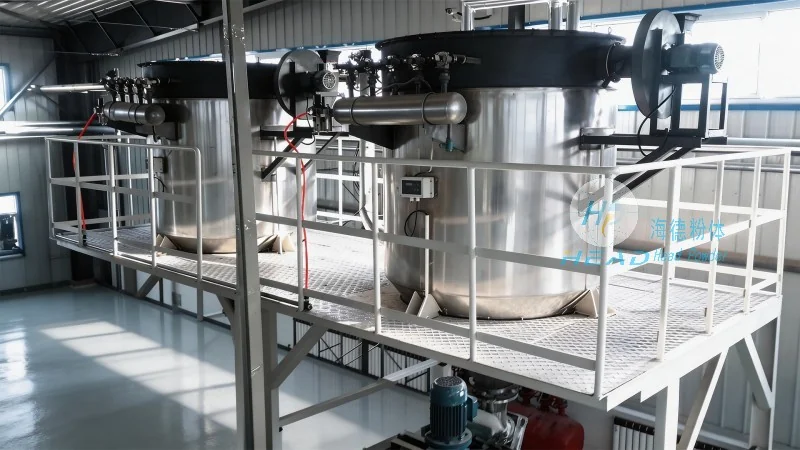
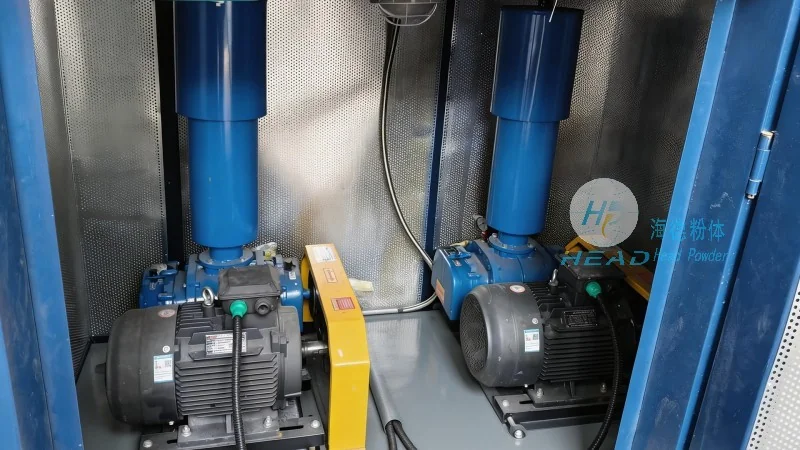
The field of cement and fly ash pneumatic conveying is continuously evolving, driven by the need for higher efficiency, lower energy consumption, and improved environmental performance. One of the key trends is the adoption of automated control systems, which use sensors and software to monitor and adjust the conveying process in real-time. This not only enhances operational efficiency but also reduces human error and maintenance costs. Another trend is the development of more efficient air compressors and energy recovery systems, which reduce the overall energy consumption of the conveying process. For example, variable frequency drives (VFDs) are used to adjust the air pressure and flow rate according to the material demand, optimizing energy use. Additionally, advancements in material handling equipment, such as improved hopper designs and anti-clogging valves, have improved the reliability and durability of the systems. The integration of digital technologies, like IoT and data analytics, is also becoming more common, allowing for predictive maintenance and better performance monitoring. These technological advancements are expected to further enhance the efficiency and sustainability of cement and fly ash transportation, making pneumatic conveying an even more attractive option for industrial applications. As the industry moves towards more sustainable practices, the focus on reducing emissions and improving energy efficiency will continue to drive innovation in pneumatic conveying technology.