

Design of a Pneumatic Conveying System for Coconut Shell Powder
Coconut shell powder, a byproduct of coconut processing, presents unique handling challenges due to its light weight, fine particle size, and potential for dust generation. Efficient and reliable material transport is crucial for optimizing production processes in industries such as biomass energy, animal feed, and chemical manufacturing. This article details the design considerations and technical solutions for a pneumatic conveying system specifically tailored for coconut shell powder, emphasizing the integration of advanced engineering principles and practical operational requirements.
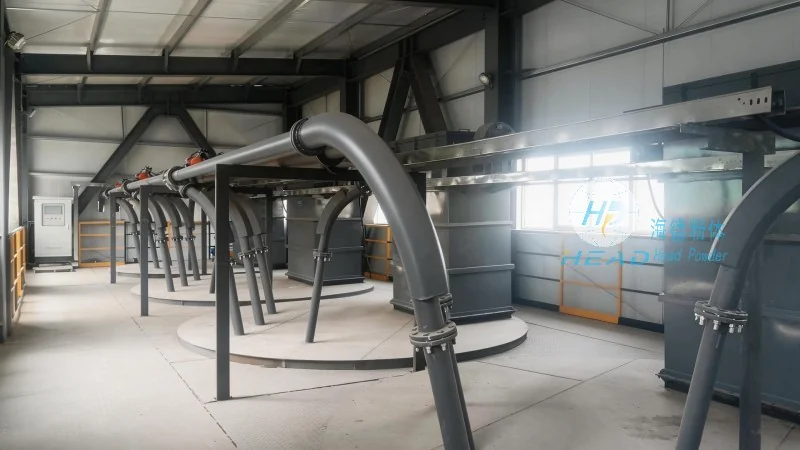
System Overview and Core Components
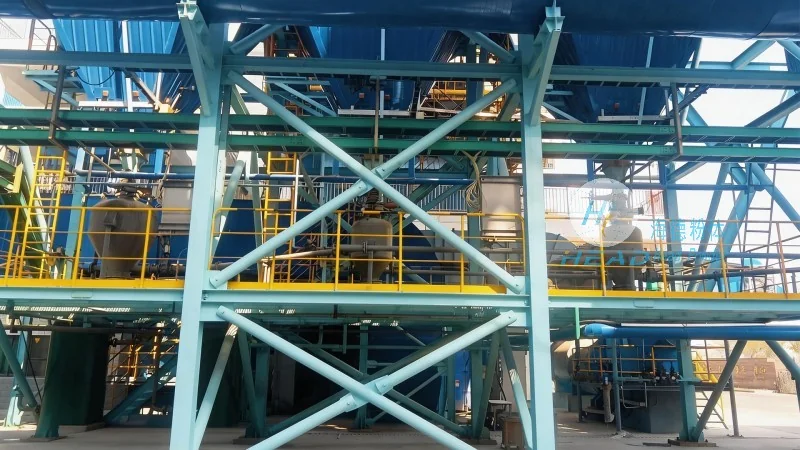
The pneumatic conveying system for coconut shell powder is engineered to handle the material's characteristics while ensuring minimal degradation and maximum efficiency. The system comprises several key components, each playing a critical role in the overall operation. The primary elements include a material feed hopper, a rotary airlock valve, a positive displacement blower or pressure vessel, a conveying pipeline network, and a collection silo or processing unit. Each component is selected based on the specific properties of coconut shell powder, such as its bulk density, flowability, and dustiness, to ensure optimal performance.
Design Considerations for Material Handling
Coconut shell powder's light weight and fine particle size necessitate careful consideration of air velocity, pipeline diameter, and system pressure. The design aims to maintain sufficient air velocity to prevent material settling in the pipeline while avoiding excessive pressure that could lead to equipment wear or product degradation. The system employs a positive displacement blower, which provides consistent airflow and pressure, ensuring reliable material transport even under varying feed rates. The pipeline network is constructed from corrosion-resistant materials, such as stainless steel or coated steel, to withstand the abrasive nature of coconut shell powder and prevent clogging or blockages.
Feeding and Metering Mechanisms
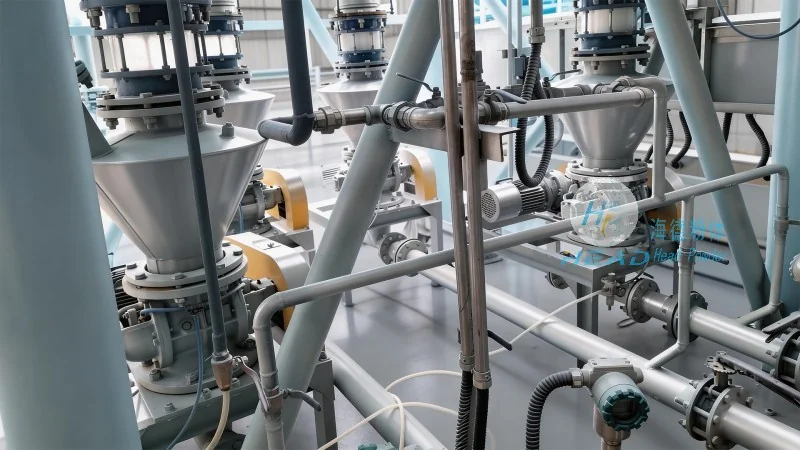
The material feed hopper and rotary airlock valve are critical for controlling the flow of coconut shell powder into the conveying system. The hopper is designed with a sloped bottom to facilitate smooth material discharge, minimizing the risk of bridging or agglomeration. The rotary airlock valve acts as a gate, regulating the material flow rate and preventing backflow of air into the hopper. This component is essential for maintaining consistent material feed and protecting downstream equipment from excessive pressure or dust exposure. The selection of a high-quality rotary airlock valve, specifically engineered for fine powders, ensures reliable operation and reduces maintenance requirements.
Conveying Pipeline and Airflow Management
The conveying pipeline is designed with a diameter that balances air velocity and material capacity. The system uses a combination of horizontal and vertical sections, with appropriate bends and elbows to minimize pressure losses and prevent material deposition. The pipeline is equipped with pressure sensors and flow meters to monitor system performance in real-time. This allows operators to adjust air pressure or flow rate as needed, ensuring optimal material transport and preventing system overload. The use of flexible connectors and vibration dampeners in the pipeline helps to reduce wear and tear from repeated material movement, extending the system's operational life.
Collection and Processing Unit
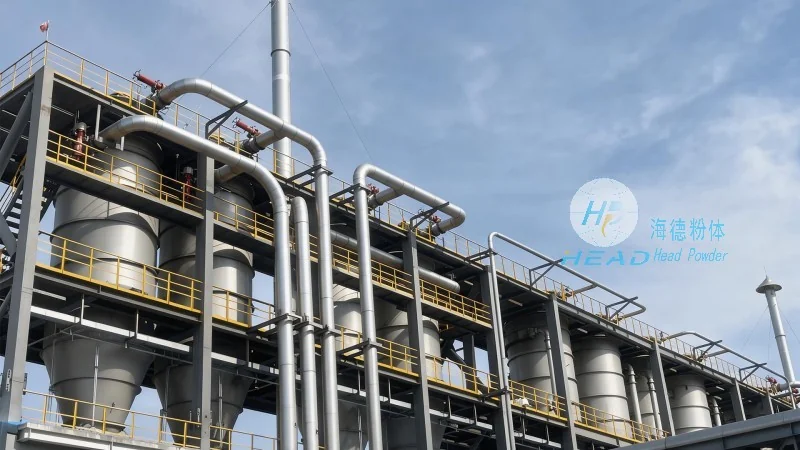
The collection silo or processing unit is the final component of the pneumatic conveying system, responsible for receiving and storing the conveyed coconut shell powder. The silo is designed with a conical bottom to facilitate easy discharge of the material, and it may include a rotary valve or screw conveyor for downstream processing. The system incorporates dust collection and filtration equipment to ensure compliance with environmental regulations and maintain a clean working environment. The collection unit is equipped with level sensors to monitor material inventory, allowing for automated control of the conveying process and preventing overfilling or underfilling.
Operational Efficiency and Maintenance
The pneumatic conveying system for coconut shell powder is designed for high operational efficiency and low maintenance requirements. The use of positive displacement blowers and corrosion-resistant materials reduces the need for frequent repairs and replacements. Regular maintenance, including cleaning of the pipeline and air filter, is recommended to prevent clogging and ensure consistent performance. The system's control panel provides real-time monitoring of key parameters, such as pressure, flow rate, and material level, enabling operators to quickly identify and address any issues. This proactive approach to maintenance helps to minimize downtime and maximize the system's overall productivity.
Conclusion
The design of a pneumatic conveying system for coconut shell powder requires a comprehensive understanding of the material's properties and the integration of advanced engineering solutions. By carefully selecting and integrating key components, such as the feed hopper, rotary airlock valve, positive displacement blower, and conveying pipeline, the system can effectively handle coconut shell powder while ensuring efficiency, reliability, and minimal environmental impact. This design approach, developed by Shandong HeadPowder Engineering Co., Ltd., demonstrates the company's expertise in engineering solutions tailored to the unique challenges of material handling in the coconut processing industry.