

Design of Tailings Slurry Pneumatic Conveying Equipment
For industrial applications involving the handling of tailings slurry, efficient and reliable transport systems are crucial. This article focuses on the design of a pneumatic conveying system specifically tailored for tailings slurry, addressing key aspects such as material characteristics, system components, and operational considerations.
Overview of Tailings Slurry Pneumatic Conveying
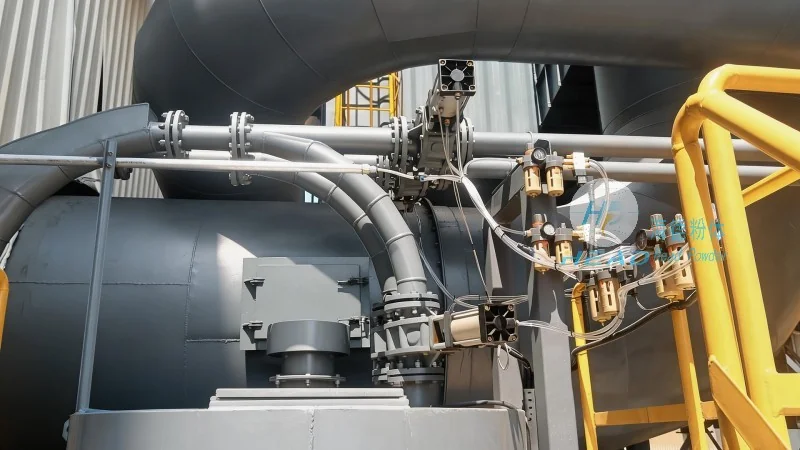
Tailings slurry, typically composed of fine mineral particles suspended in water, poses unique challenges in material transport due to its high moisture content and abrasive nature. Conventional methods like gravity or mechanical conveyors may struggle with clogging and wear, making pneumatic conveying an attractive alternative. The system designed by Shandong HeadPowder Engineering Co., Ltd. leverages air pressure to move the slurry through pipelines, offering advantages like reduced maintenance and the ability to handle abrasive materials without excessive wear.
Key Design Considerations
When designing a tailings slurry pneumatic conveying system, several critical factors must be considered to ensure optimal performance and longevity. First, the material's properties, including particle size distribution, density, and moisture content, directly influence the air velocity and pressure required for effective transport. The system must be sized to maintain a consistent flow rate while preventing excessive pressure drops that could lead to clogging or reduced efficiency. Additionally, the selection of pipeline materials is vital; materials like stainless steel or high-grade alloys are often preferred to withstand the corrosive and abrasive effects of tailings slurry.
System Components and Their Functions
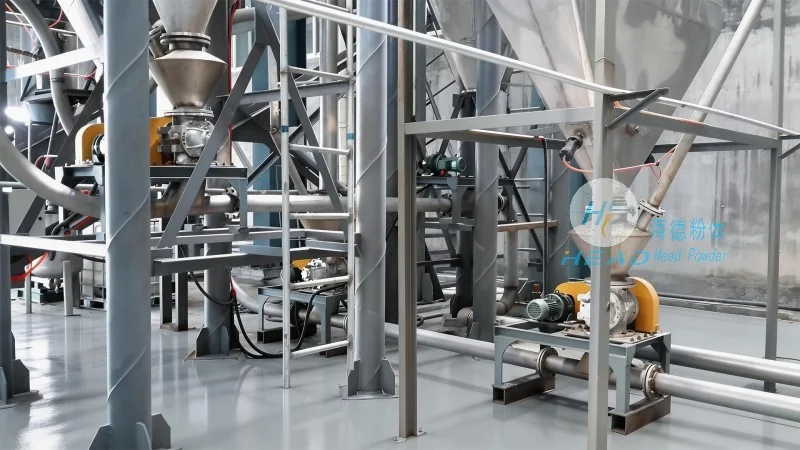
The pneumatic conveying system for tailings slurry consists of several interconnected components, each playing a crucial role in the overall operation. The feed hopper is responsible for receiving and storing the tailings slurry before it is introduced into the system. This component must be designed to handle the bulk material and ensure a consistent feed rate. The air compressor, typically a positive displacement type, generates the necessary pressure to move the slurry through the pipeline. The pipeline itself is a critical element, with diameters and lengths carefully selected based on the system's capacity and the distance the slurry needs to travel. The system may also include a separator or cyclone to separate the air from the slurry at the discharge point, allowing for recycling of the air and proper disposal of the tailings.
Operational Efficiency and Maintenance
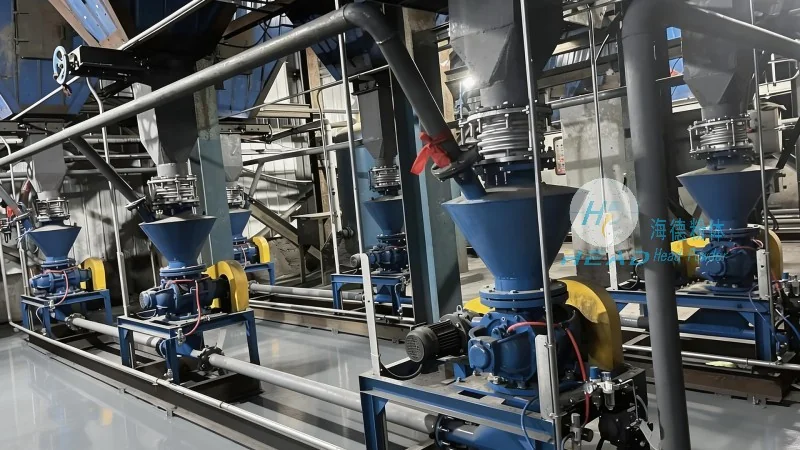
Efficient operation of the tailings slurry pneumatic conveying system is essential for maximizing productivity and minimizing downtime. Regular maintenance is required to ensure that all components are functioning optimally. This includes monitoring air pressure and flow rates, inspecting pipelines for signs of wear or corrosion, and cleaning the separator to prevent clogging. The system's design should also incorporate features that facilitate maintenance, such as easy access to components and removable sections for inspection and repair. By adhering to a proper maintenance schedule, the system can maintain its performance over an extended period, reducing the need for costly repairs or replacements.
Application and Industry Impact
The tailings slurry pneumatic conveying system designed by Shandong HeadPowder Engineering Co., Ltd. is suitable for various industrial applications, including mining, mineral processing, and wastewater treatment. Its ability to handle abrasive and high-moisture materials makes it a valuable asset in industries where traditional conveyors may not be effective. The system's efficiency and reliability contribute to improved operational productivity and reduced environmental impact by minimizing the need for manual handling and reducing the risk of spills or leaks. As a result, the system enhances the overall sustainability and profitability of operations in the target industries.